


News & Events
News & Events
Alternaria alternata Effector Aa593 Promotes Virulence by Hijacking the CmNAC29-Mediated Abscisic Acid Biosynthesis Pathway in Chrysanthemum
Friday, 20/03/2026 | 13:53:40
The interaction between plants and pathogens has long been an actively researched field of plant immunity. In this study, we found an Aa593/CmNAC29-CmNCED3 module associated with the interaction between chrysanthemum and the fungal pathogen Alternaria alternata. Here, we identified a transcription factor, CmNAC29, in chrysanthemum that promotes abscisic acid (ABA) biosynthesis by directly regulating CmNCED3, a key rate-limiting enzyme gene for ABA synthesis
How Do GM Crops Help Smallholder Farmers?
Friday, 20/03/2026 | 13:52:27
The study “Economic Impact of Genetically Modified Crops on Smallholder Farmers in Developing Nations: A Systematic Literature Review” offers a balanced perspective on GM crop adoption, highlighting both its potential benefits and challenges for smallholder farmers. Drawing on this work, this article explores key insights from the research conducted by Dr. Laszlo Pokorny of the Department of Applied Economics at ICL Institute, USA, which examines the economic outcomes of GM crop adoption among small-scale farming communities.
New Partnership to Strengthen Soil Health and Secure Livelihoods for 1.5 Million Sahelian Farmers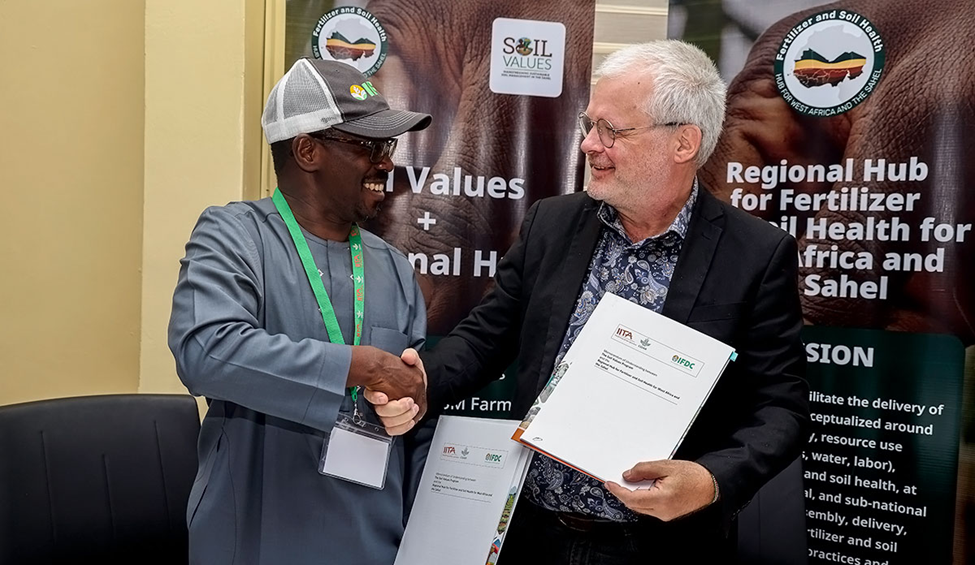
Friday, 20/03/2026 | 13:51:25
The Soil Values Program and the Regional Hub for Fertilizer and Soil Health for West Africa and the Sahel today announced a formal partnership. They signed a Memorandum of Understanding (MoU) to coordinate soil health interventions across West Africa and the Sahel. The partnership will enhance collaboration, minimize duplication of effort, and deliver lasting impact in the region.
Pan-Genome Analysis and Expression Profiling of HIPP Gene Family in Cassava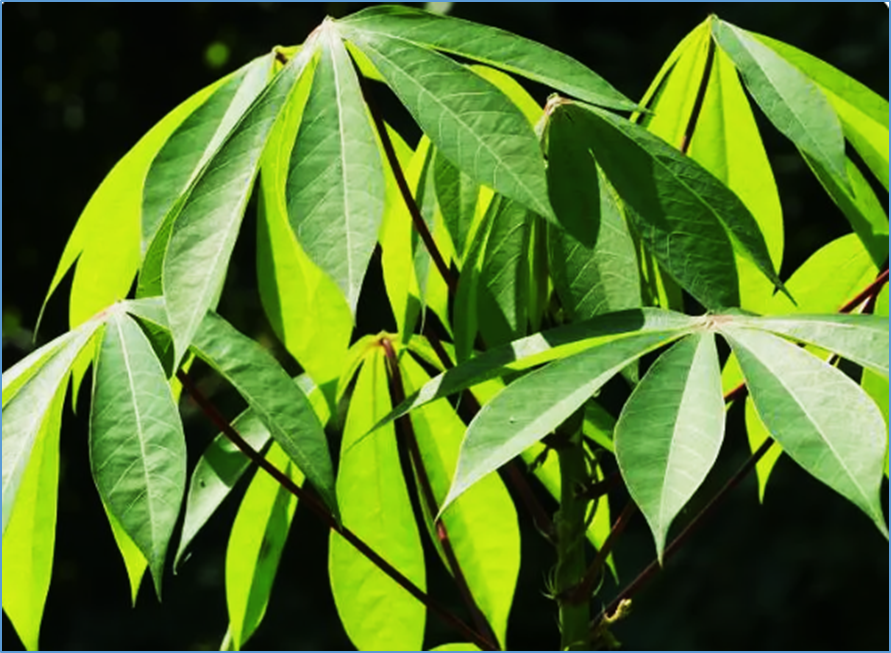
Friday, 20/03/2026 | 13:48:30
A total of 59 MeHIPP pan-genes were identified, including five core genes, 22 softcore genes, 17 dispensable genes, and 15 private genes, which were unevenly distributed on chromosomes. Based on phylogenetic analysis, these genes were classified into five major subgroups. Evolutionary analyses indicated that segmental duplication predominated in family expansion and that most members may be subjected to purifying selection.
Researchers Highlight Impact of Gene Editing on Global Crop Improvement
Friday, 20/03/2026 | 13:46:22
Transgenic Research released an article summarizing the impact of gene editing on global crop improvement. Written by researchers from Motherhood University, India, the article provides information on the mechanisms, applications, and future potential of CRISPR technology in enhancing global crop production.
Turning the tide on typhoon havoc in the Philippines
Friday, 20/03/2026 | 13:45:32
In the northernmost reaches of the Philippines, along its vast coastline, fishers have long enjoyed the bounty of the sea for their sustenance. Mahi Mahi, marlin, mackerel, grouper and octopus: the species abound. While inland, the fertile soil also gives generously, producing fresh fruits and vegetables for its attentive farmers.
Role of Altered Metabolites and Metabolic Pathways in Major Tuber Crops Under Drought Stress
Friday, 20/03/2026 | 08:28:02
Drought stress poses a significant challenge to growth and productivity of major tuber crops, particularly cassava (Manihot esculenta Crantz), potato (Solanum tuberosum L.) and sweet potato (Ipomoea batatas (L.) Lam.). These crops are among the most widely cultivated tubers globally and play a critical role in food and nutritional security, especially in drought-prone regions of sub-Saharan Africa, Asia and Latin America.
Gene Editing Increases Beneficial Compounds in Petunia and Lettuce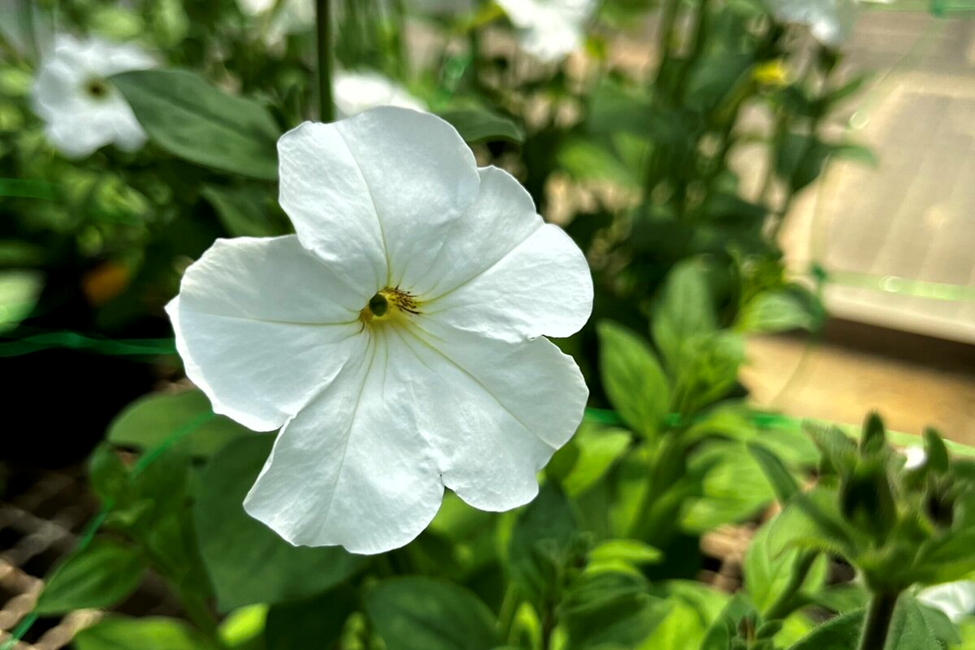
Friday, 20/03/2026 | 08:26:40
Researchers from the Hebrew University of Jerusalem have enhanced the production of valuable plant compounds in petunia and lettuce by modifying a key metabolic gene using CRISPR. The study focused on HMGR, an enzyme that controls the production of terpenoids, important for plant growth, aroma, nutrition, and medicine.
FAO’s Food and Agriculture Museum and Network links with new WOW Agrifood Museum in Siena
Friday, 20/03/2026 | 08:25:39
The Food and Agriculture Organization of the United Nations (FAO) today took part in the inauguration of the WOW – University of Siena Museum on Agrifood, a new space dedicated to agrifood systems and their future, developed in close dialogue with the FAO’s Food and Agriculture Museum and Network (MuNe). The opening also marked the inclusion of the WOW Museum into FAO’s MuNe’s network, building on earlier exchanges on museum design and ways to engage the public around food and agriculture.
Fine mapping and functional verification of the Cf-19 gene controlling leaf mold disease resistance in tomato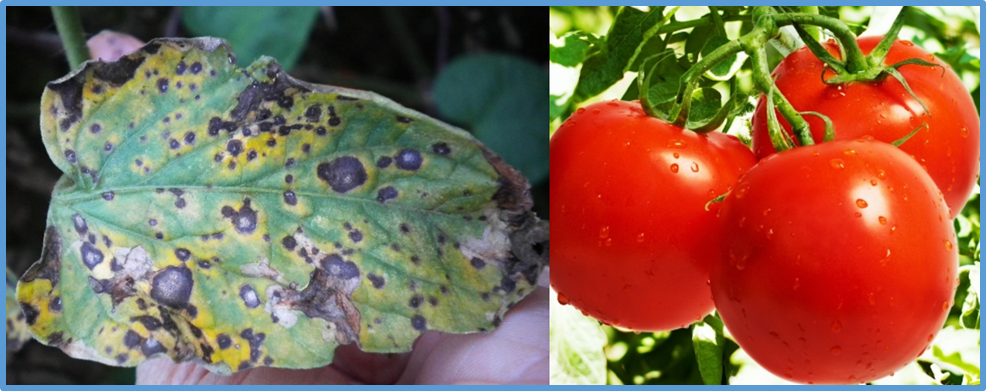
Thursday, 19/03/2026 | 08:22:33
Tomato leaf mold, caused by Cladosporium fulvum (C. fulvum), is a devastating disease affecting tomato production. Natural resistance to this disease is mediated by Cf family genes, with different Cf genes confer resistance to different physiological races of the C. fulvum. As these physiological races continue to evolve, the number of effective resistance genes available for breeding is becoming increasingly limited.
Researchers Develop Gene-Edited Tomato with Popcorn-Like Fragrance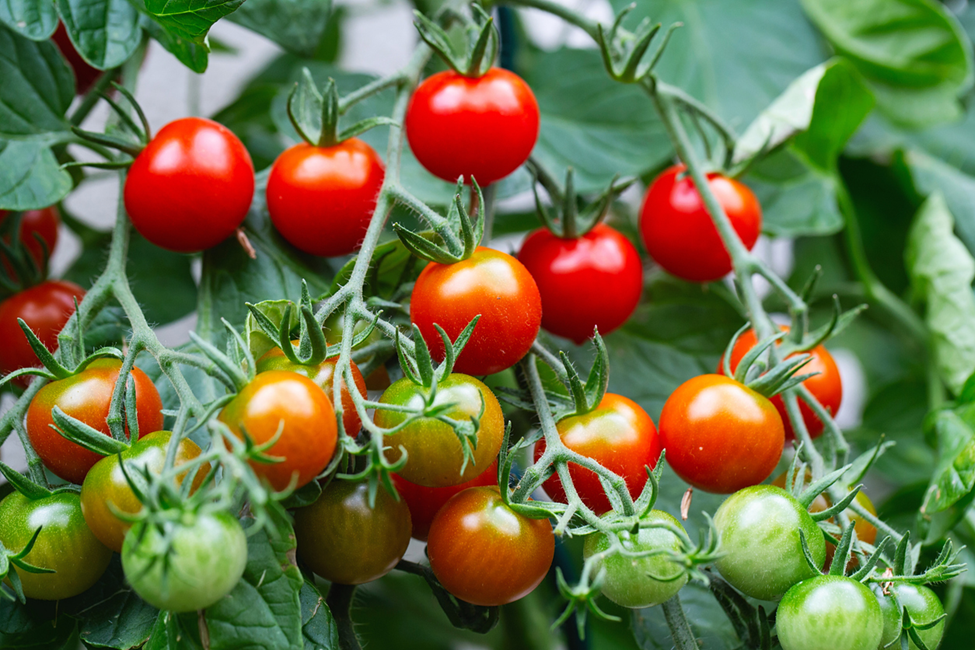
Thursday, 19/03/2026 | 08:21:25
Researchers from China and Australia have successfully used CRISPR-Cas9 gene editing technology to create a new tomato variety with a distinct "popcorn-like" fragrance. By targeting specific genes responsible for volatile organic compounds, the team increased the levels of 2-acetyl-1-pyrroline (2-AP), the same chemical compound that gives fragrant rice and popcorn their signature scent, without negatively impacting fruit growth or nutritional value.
CRISPR Improves Alkalinity Tolerance in Rice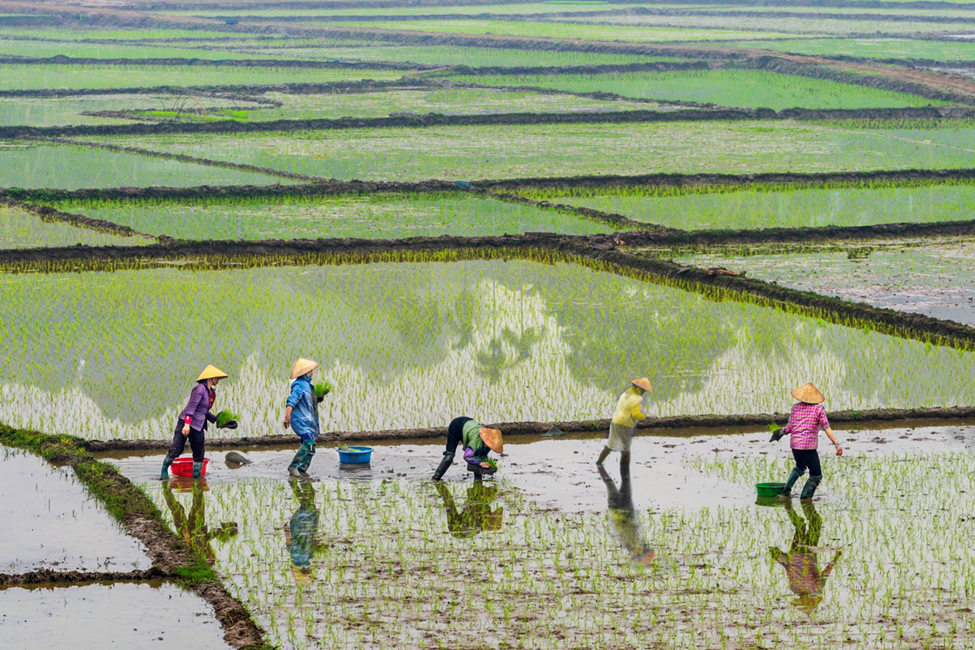
Thursday, 19/03/2026 | 08:20:12
Researchers from Heilongjiang Academy of Sciences in China searched for sources of alkalinity tolerance in rice using CRISPR gene editing. Their findings are published in Frontiers of Plant Science. Salinity and alkalinity stress are major problems in rice production. The damage caused by alkaline stress is more detrimental to plant growth than that caused by salt stress. To date, researchers have found only a few genes involved in alkalinity tolerance. Thus, the research team used QTL-seq resequencing technology and a high-density linkage map to explore other possible sources of alkalinity tolerance in rice.