


IAS’s Annual Report in 2025
In 2025, the IAS has managed and implemented 34 R&D tasks with a total budget of VND 30.673 billion, including 1 state-level project, 1 seed project, 4 ministerial-level projects, 1 germplasm conservation project, 1 potential project, 2 standardization and regulation tasks, 4 central agricultural extension tasks, 9 local tasks, 2 international cooperation tasks, and 9 tasks in team-work (sub-projects).
The IAS proposal included 43 tasks at the Ministry of Science and Technology level, the Ministry of Agriculture and Environment level, and the provinces of Lam Dong and Dong Nai. Five tasks have been considered to review in 2025.
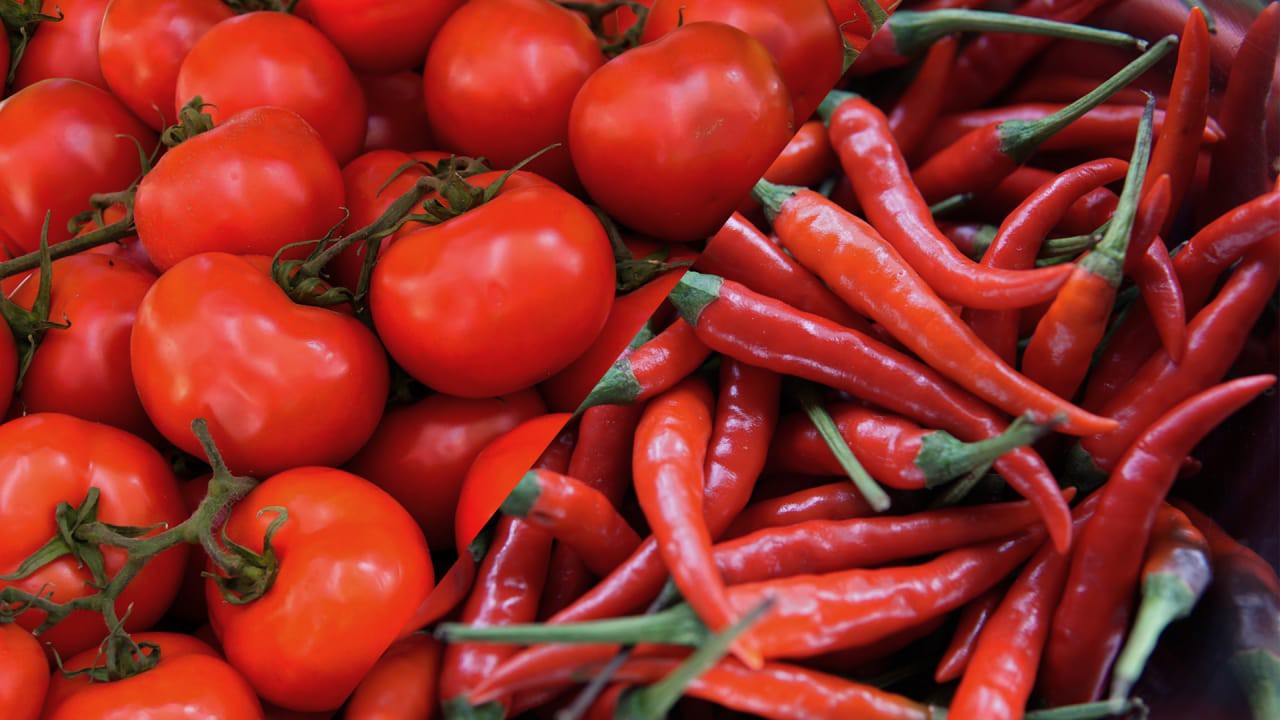
Crop varieties recognized or self-declared for releasing were (1) 12 new crop varieties recognized, including 1 Phu Quoc pepper genotype by special circumstances and 11 self-declared varieties (4 cassava genotypes; 2 potato genotypes; 2 tomato genotypes; 1 sweet pepper variety ON1.25; 1 chrysanthemum variety DL1 and 1 carrot variety); (2) 42 Phu Quoc pepper stocks (mother plants) and 1 Phu Quoc stock nursery recognized.
Single-cross hybrid maize variety 01 Max7379 was registered for protection
Technical procedures recognized at institutional level included 07 protocols for cultivating crops viz. carrot, cassava, and rice.
Germplasm conservation: (1) Preserving 400 traditional and improved rice accessions; 50 maize accessions; 394 cassava accessions (clones/varieties); 80 cassava clones resistant to cassava mosaic disease from CIAT; 200 cashew clones; 80 sweet potato accessions; 300 soybean accessions; 10 edible and medicinal mushroom accessions; 52 mung bean accessions; 39 peanut accessions and 35 sesame accessions; 120 potato accessions and 38 strawberry accessions, 30 tomato accessions and over 100 accessions of cut flowers; (2) Maintaining and multiplying parent lines of the Max 7379 single-cross hybrid maize variety.
Crop Breeding:
Rice genotypes: Twenty F5 colored rice lines were selected from 3,086 F2 individuals, exhibiting stable, uniform phenotypes and good grain quality. Four pure lines of colored rice genotypes were identified from the 20 promising F7 and M7 individuals, aligning with the research direction of the project: two pure lines of red rice CR3-1 and MDDB5; one pure line of purple rice CR3-3; and one pure line of black rice CR8-2.
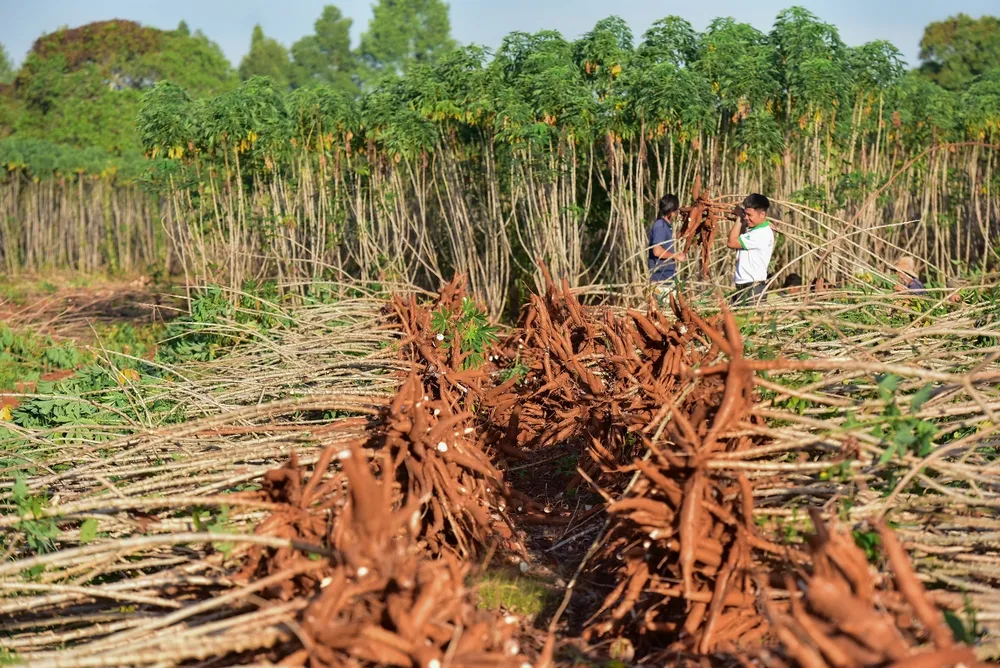
Cassava genotypes: 4.2 hectares of cassava mother stocks were being cared for in the Hung Loc nursery. The genotypes were currently growing well, with disease-free, and exhibited an average plant height of 2.0 - 2.3 m.
Potato genotypes: 15 colored-flesh potato lines were identified and screened into 8 promising lines yielded exceeding 25 tons/ha, tuber flesh colors ranging from pink, light purple to dark purple, and tuber shapes ranging from round, oval, to oblong. Propagation of these 8 promising lines with 300 in vitro plants per line resulted in 2400 healthy seedlings showing no signs of disease and meeting the standards for transfer to the breeding nursery.
Techology Transfer
Establishing a 2-hectare demonstration plot for intercropping rice with freshwater prawns according to organic standards using ST25, DS1, and Tim ST rice varieties in Cat Tien district.
Establishing a 10-hectare model of organic rice cultivation during the Spring-Summer season in Phan Lam commune, Bac Binh district, Binh Thuan province.
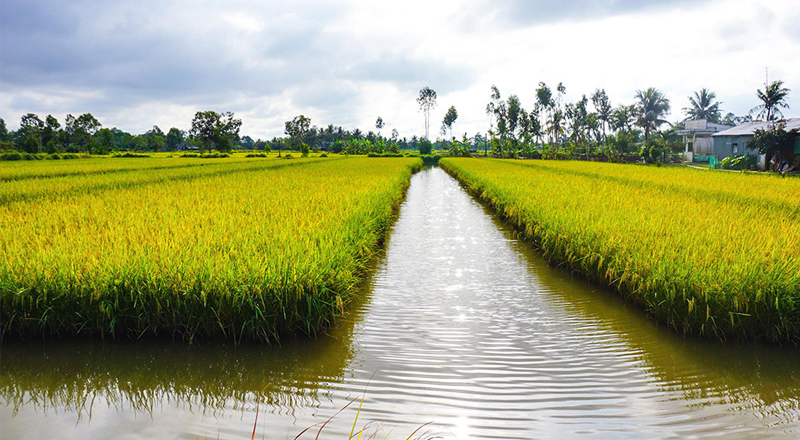
Establish a 200-hectare model of high-quality rice production, reducing emissions and achieving high yields (≥ 6.2 tons/ha), while simultaneously reducing input costs by at least 15% and increasing economic efficiency by ≥ 15% compared to traditional methods, ensuring products have planting area codes and traceability labels, and adapting to climate change.
Establishing a 6-hectare demonstration model of the carrot variety CR21.36 at 3 locations (Lam Dong, Dak Lak, and Gia Lai). The results of applying the new variety at these 3 locations showed a yield increase of 10.5% - 13.4% compared to areas outside the model.
Establishing a 300-hectare model for mechanized straw and rice stalk collection services to support the development of straw and rice stalk by-products in 3 provinces (Dong Thap, Hau Giang, and Tien Giang). Collection capacity is ≥ 50 bales/hour, with an average bale weight of ≥ 17kg. The total amount of straw collected is approximately 1,200 tons.
Establishing a model for mushroom production using straw, with 67 participating households in 3 provinces (Dong Thap, Hau Giang, and Tien Giang), and a total of 30 tons of straw supplied for the model.
Establishing a model for organic fertilizer production using straw, with 100 participating households in 3 provinces (Dong Thap, Hau Giang, and Tien Giang), and a total of 710 tons of raw straw supplied for the model.
Developing a model for producing animal feed from straw with 35 model households in 3 provinces (Dong Thap, Hau Giang, Tien Giang) and a total of 15 tons of straw raw material supplied for the model.
Establishing 8 hectares of model durian orchards applying cultivation and pest management processes in a biosafety-oriented manner in two areas: Bao Lam 2 commune and B'Lao ward, Lam Dong province. The model orchards achieved an average yield of 24.07 tons/ha, with 80.5 - 86.1% of durian reaching grade 1, higher than the control model by 4 - 18%. The economic efficiency of the model orchards in the project increased by 14.9% compared to before the project.
Production and supply of tissue-cultured seedlings (80,000 strawberry plants, 92,000 chrysanthemum plants, 500,000 sweet potato plants, 500,000 potato plants, 3,000 artichoke plants) and production of 1,050,000 rooted potato seedlings after tissue culture; 250,000 super-elite potato seed tubers (G0); 29 tons of elite potato seed tubers (G1).
Providing over 4 million cassava stocks (clones), equivalent to 330 hectares, for production in major cassava-growing regions such as Yen Bai, Nghe An, Quang Binh, Tay Ninh, Dong Nai, Binh Thuan, Vung Tau, Gia Lai, and Dak Lak. These included cassava varieties resistant to cassava mosaic disease viz. HN1, 13SA05, BK, STB1, and 390,000 HL-RS15 cassava clones, equivalent to over 30 hectares, for Krong Pa and Chu Puh districts in Gia Lai province.
Production of seedlings from a 52.1-hectare mother plant nursery in Phuoc An commune, Dong Nai province, using HN1 variety. The cassava variety grew and developed well, reaching a height of 2.2 - 2.5 m, with no signs of pests or diseases such as cassava mosaic or cassava witches' broom. 7,815,000 high-quality cassava cuttings were harvested, achieving 100% of the year's plan.
Production of 100,000 grafted cashew seedlings of popular cashew varieties that have been self-declared for depatching.
International cooperation
In 2025, the IAS has implemented 3 international cooperation projects with a total budget of VND 2.631 billion on different crops such as cassava, soybean, and coffee.
Welcoming international visitors: The IAS received 9 delegations from companies and research institutes from South Korea, Belgium, and China, specifically including the Institute of Tropical Plant Genetic Resources under the Academy of Tropical Agricultural Sciences (CATAS), CARAH Center Belgium, Hyunnong Company of South Korea, SnE Group of South Korea, McCormick & Company, and Sumi Tomo Forestry Group of Vietnam.
Scientific Workshops and Training Courses
In collaboration with the Vietnam Plant Pathology Research Association, the IAS organized the 24th National Plant Pathology Conference in Vietnam in 2025 at the Southern Institute of Agricultural Science and Technology;
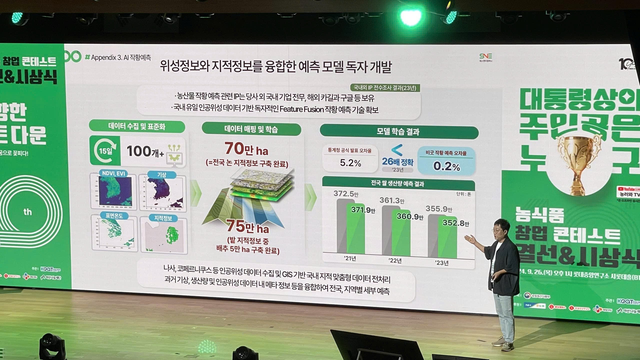
In collaboration with SNE Company, the IAS organized the conference "AI and Vietnamese Agriculture in the Era of Data Transformation - Digitalization - Artificial Intelligence";
The IAS organized 30 training courses on introducing new carrot varieties and intensive cultivation processes, mushroom cultivation techniques; organic fertilizer composting techniques; livestock feed composting techniques; high-quality rice production, and emission reduction.
Especially, the year marks the 100th anniversary of the Institute's establishment and development. It represents a long journey filled with effort, dedication, and innovation for the development of Vietnamese agriculture, especially in the South. The ceremony was a great success and full of meaning.
Views: 450