


News & Events
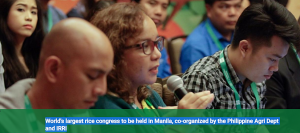
The Philippine Department of Agriculture (DA) has pledged support in co-organizing the largest gathering of the stakeholders of rice-based food systems worldwide in the Philippines this coming October with the International Rice Research Institute (IRRI). “Rice is one of the priority areas of the Philippine government to achieve food self-sufficiency and improve the lives of Filipino farmers. At IRC 2023, we can learn about recent advancements in genetic, digital, and nature-based solutions, offering valuable insights to address the various challenges faced by the rice industry in the Philippines,”
To date, increasing planting density has been the most effective way to boost crop yield per land area. However, at high density, plants eventually shade each other and suffer from a lack of light. Plants perceive shade signals, including dim light (reduced light intensity), through specific photoreceptors called phytochromes. Upon activation by light, phytochromes translocate from the cytoplasm to the nucleus where they negatively regulate growth responses.
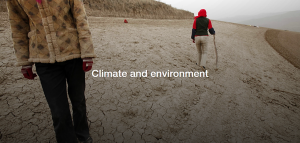
Smallholder farmers and poor rural people bear the brunt of climate change and the degradation of natural resources. Extreme weather events, such as droughts, storms and floods, are putting pressure on the ecosystems that farmers depend on, as are gradual processes such as rising sea levels and melting glaciers. Crop failures and livestock deaths are causing economic losses and undermining the food security of rural people with ever-greater frequency, especially in parts of sub-Saharan Africa.
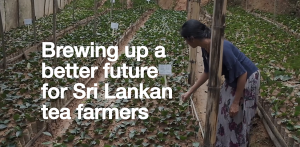
So when Sudath Sisirakumara heard about a new planting method, he was keen to roll it out in his tea farm in the green hills outside of Galle, in the south of the island. CO3 grass quickly rehabilitates soil, slashing the time it takes to condition it to just one year while reducing the need for fertilizer. Through the IFAD-supported STaRR project, Sudath soon began to see results.
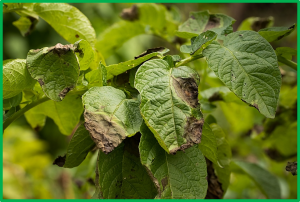
Rabproteins are the largest members of the small G protein family and are widely distributed in eukaryotes. It comprises eight subfamilies and is responsible for regulating vesicle transport, plant growth and development, and biotic and abiotic stress responses. In this study, the small G protein gene StRab5b was cloned from potato, and its biological information, expression profile and induced expression level, overexpression and gene silencing were examined on regulating potato resistance to Phytophthora infestans using PCR,
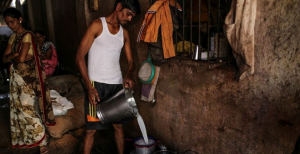
Milk is one of the most widely produced agri-products on the planet. It’s also a crucial source of income for at least 500 million poor people, who depend on milk for their livelihoods. As much as 80 per cent of the milk in South Asia comes from small-scale farms. That’s why IFAD works across the region to help small-scale dairy farmers optimize their production. There are, however, significant challenges. On average, farming families in the region can only afford one to two dairy animals per household, which leaves little for sale after they have set aside milk for their own needs.
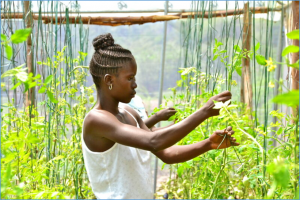
Policymakers are under tremendous pressure to address multiple challenges facing food systems amid widespread budgetary constraints. Having a good evidence base to inform policy and investment decisions is more important than ever, and the rise of large language models (LLMs) raises the question of if and how artificial intelligence can help policymakers analyze evidence information and use them to draft policies effectively.
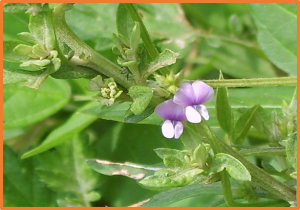
Seed-related traits were the key agronomic traits that have been artificially selected during the domestication of wild soybean. Identifying the genetic loci and genes that regulate seed size could clarify the genetic variations in seed-related traits and provide novel insights into high-yield soybean breeding. In this study, we used a high-density genetic map constructed by F10 RIL populations from a cross between Glycine max and Glycine soja to detect additive QTLs for seven seed-related traits over the last three years
CGIAR’s Sustainable Animal Productivity and Livelihoods, Nutrition and Gender inclusion Initiative (SAPLING) has developed a tool for assessing, identifying and responding to food and nutrition security problems in developing countries. The Food Security, Environments and Nutrition: Structured Evidence (FoodSENSE), is a decision support process developed by SAPLING researchers to aid decision makers in identifying barriers to improved food security and nutrition

Viet Nam recently hosted the 4th Global Conference of the Sustainable Food Systems Programme, which brought together more than 200 participants from around the world to discuss the urgent challenge of transforming food systems. In the lead-up to the conference, Dr. Inge Brouwer and Mr. Mark Lundy, from the CGIAR Initiative on Sustainable Healthy Diets through Food Systems Transformation (SHiFT), appeared on Viet Nam’s VTC16, a news channel dedicated to agriculture and rural life (interview is in Vietnamese; English subtitles available).
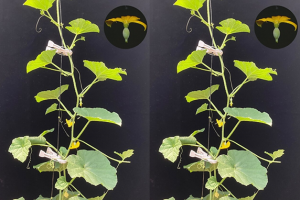
Sex expression contributes to fruit quality and yield in the Cucurbitaceae. In melon, orchestrated regulation by sex determination genes explains the mechanism of sex expression, resulting in a great variety of sexual morphologies. In this study, we examined the Japanese weedy melon UT1, which does not follow the reported model of sex expression. We conducted QTL analysis using F2 plants for flower sex on the main stem and the lateral branch and mapped “occurrence of pistil-bearing flower on the main stem” locus on Chr. 3 (Opbf3.1)
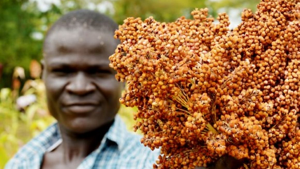
The International Year of Millets will provide a great opportunity to promote available technologies on millets and the benefits that come with millets to encourage consumption and utilisation of millets. The International Crops Research Institute for the Semi-Arid Tropics (ICRISAT), a provider of agricultural solutions for dryland areas, hails the renewed focus on millets.