


News & Events
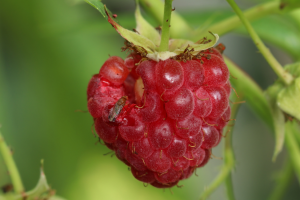
Experts from North Carolina State University developed a CRISPR-based gene drive system that could suppress populations of vinegar flies (Drosophila suzukii) that affects soft-skinned fruits in North America, Europe, and South America. Their findings are published in the Proceedings of the National Academy of Sciences of the United States of America (PNAS).
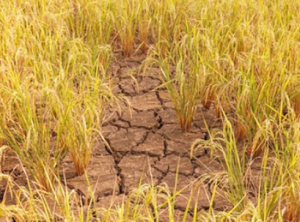
Rice, as a major staple crop, employs multiple strategies to enhance drought tolerance and subsequently increase yield. Osmotin-like proteins have been shown to promote plant resistance to biotic and abiotic stress. However, the drought resistance mechanism of osmotin-like proteins in rice remains unclear. This study identified a novel osmotin-like protein, OsOLP1, that conforms to the structure and characteristics of the osmotin family and is induced by drought and NaCl stress.

Researchers from the Scientific Centre for Expert Evaluation of Medicinal Products of the Russian Federation analyzed the existing international experience and regulatory requirements relating to the development of medicinal products based in genome editing of postnatal somatic cells. Somatic cell genome-editing systems are one of the last technologies in gene therapy for treatment of monogenic hereditary cancer or HIV

Researchers from the Wisconsin Institute for Discovery will develop gene editing therapeutics for two diseases that can cause blindness. The collaborative project is funded by the US National Institutes of Health. The eye was chosen as the initial point of the study because it is self-contained and separated from other organs. It is also accessible, easy to monitor, and less likely to experience negative immunological reactions.
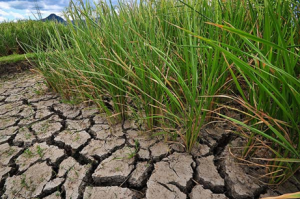
Drought is a major abiotic stress to rice (Oryza sativa) during growth. Ideal Plant Architecture (IPA1), the first cloned gene controlling the ideal plant type in rice, has been reported to function in both ideal rice plant architecture and biotic resistance. Here, we report that the IPA1/OsSPL14, encoding a transcriptional factor, positively regulates drought tolerance in rice. The IPA1 is constitutively expressed and regulated by H2O2, abscisic acid, NaCl and polyethylene glycol 6000 treatments in rice.
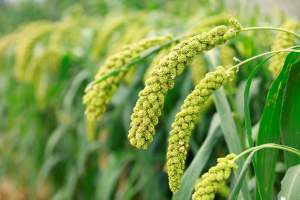
An international research team led by scientists from the Institute of Crop Sciences of the Chinese Academy of Agricultural Sciences (CAAS) has released the pan-genome of Setaria or foxtail millet, an important cereal crop. Together with scientists from New York University (NYU), the research advances the understanding of foxtail millet domestication and evolution, as well as the genetic basis for important agricultural traits.

Canada’s Pest Management Research Agency (PMRA) approved the field study application of RNA interference (RNAi) biopesticide delivery technology. It is a sustainable and eco-friendly way to eliminate crop pests using biotechnology. Renaissance Bioscience Corp. developed RNAi to provide an environmentally safe and sustainable way to protect crops from insects that cause substantial damage. It has the potential to reduce or replace the usage of traditional chemical pesticides that cause damage to the environment, as well as animal and human health, when used excessively.

Cassava mosaic disease (CMD) is caused by several divergent species belonging to the genus Begomovirus (Geminiviridae) transmitted by the whitefly Bemisia tabaci cryptic species group. In India and other parts of Asia, the Indian cassava mosaic virus-Kerala (ICMV-Ker) is an emergent begomovirus of cassava causing damage that results in reduced yield loss and tuber quality. Double-stranded RNA-mediated interference (RNAi) is an evolutionary conserved mechanism in eukaryotes and highly effective, innate defense system to inhibit plant viral replication and/or translation.
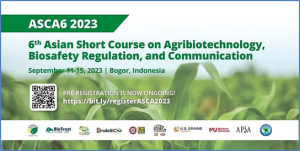
The course is a capacity building initiative of ISAAA Inc. and the Malaysian Biotechnology Information Centre (MABIC). It was first organized in 2018 as a platform for Asian scientists and regulators to be more competent in the regulations and policies related to biotechnology. Since then, the short course has been offered to promote strong collaboration among key biotechnology stakeholders for science and regulation to co-evolve and bring the benefits of modern biotechnology to society, while reducing its potential risks.
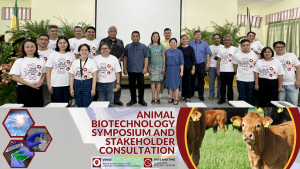
Researchers, faculty, and students of the Institute of Animal Science (IAS) in the University of the Philippines Los Baños (UPLB) participated in the Animal Biotechnology Symposium and Stakeholder Consultation on the Proposed Guidelines for GM Animals and Animal Products in the Philippines on June 14, 2023. The event was part of the 114th anniversary celebration of IAS and conducted in partnership with ISAAA Inc.
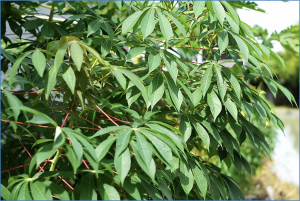
The endophytic nitrogen-fixing bacterium A02 belongs to the genus Curtobacterium (Curtobacterium sp.) and is crucial for the nitrogen (N) metabolism of cassava(Manihot esculenta Crantz). We isolated the A02 strain from cassava cultivar SC205 and used the 15N isotope dilution method to study the impacts of A02 on growth and accumulation of N in cassava seedlings. Furthermore, the whole genome was sequenced to determine the N-fixation mechanism of A02.

A study conducted at the Friedman School of Nutrition Science and Policy at Tufts University has found that the likelihood of extreme temperatures affecting crop yields has increased significantly in wheat-producing regions of the United States and China. The study also predicts that heat waves that happened approximately once every hundred years in 1981 are now likely to happen once every six years in the Midwestern U.S. and once every 16 years in Northeastern China.