


News & Events
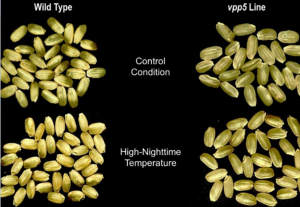
Researchers at the University of Arkansas System Division of Agriculture (UADA) showed that by suppressing the activity of a grain-specific vacuolar H+ translocating pyrophosphatase (VPP5), chalk content of the grain could be reduced. Grain chalk is an undesirable trait that impacts milling yield and cooking quality. Heat stress, specifically high nighttime temperature, is a major inducer of chalk, leading to yield losses and market value of rice

Traditionally, breeders’ selection decisions in early generations are largely based on visual observations in the field. With the advent of affordable genome sequencing and high-throughput phenotyping technologies, enhancing breeders’ ratings with such information became attractive. In this research, it is hypothesized that G× E interactions of secondary traits (i.e., growth dynamics’ traits) are less complex than those of related target traits (e.g., yield).
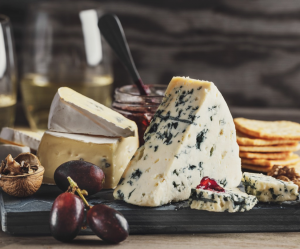
California-based food tech startup Climax Foods revealed a plant-based protein ingredient that replicates the dairy protein casein. This discovery is a breakthrough in the field of plant-based products. Casein is an essential protein responsible for the dairy cheese's texture and melt and stretch characteristics. Replicating casein has long been the most challenging issue in producing plant-based cheeses.
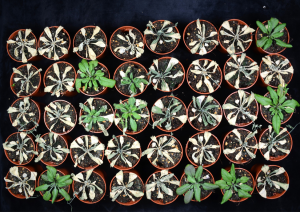
Researchers from the Centre for Research in Agricultural Economics (CRAG) led by Núria Sánchez-Coll have discovered the exclusive location of AtMC3 protein in the plant vascular system and its role in drought tolerance in the model plant Arabidopsis thaliana. AtMC3 is a protein of the metacaspase family. The research team discovered that increased levels of AtMC3 confer enhanced tolerance to severe water scarcity without affecting plant yield.
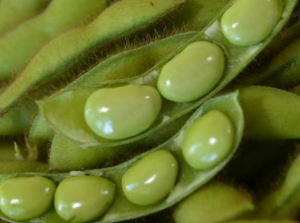
Folate (vitamin B9) is one of the most essential micronutrients whose deficiencies lead to various health defects in humans. Herein, we mapped the quantitative trait loci (QTL) underlying seed folate content in soybean using recombinant inbred lines developed from cultivars, ZH35 and ZH13, across four environments. We identified 61 QTL on 12 chromosomes through composite interval mapping, with phenotypic variance values ranging from 1.68 to 24.68%.

The Center for Advanced Bioenergy and Bioproducts Innovation (CABBI) announced that its researchers successfully conducted gene editing on miscanthus. The plant, also called silvergrass, is known to be a potential as a source of novel bioproducts like oils and high-value chemicals. The researchers used CRISPR-Cas9 to selectively target genes to knockout their function and precisely introduce new genes into the genome.
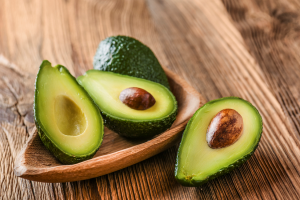
Researchers from the California-based GreenVenus LLC biotechnology company successfully modified a crucial gene associated in the browning of avocado flesh. The new trait is expected to extend the shelf life of the gene-edited avocado thereby reducing food waste without sacrificing good taste and nutritional content. Avocado has a natural enzymatic process that makes its flesh turn brown when exposed to air. Brown avocado flesh is often unappealing to consumers and fruits that are not bought immediately or mishandled during distribution end up being discarded.
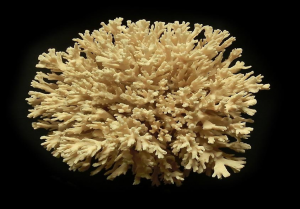
Coral reefs are highly diverse ecosystems of immense ecological, economic, and aesthetic importance built on the calcium-carbonate-based skeletons of stony corals. The formation of these skeletons is threatened by increasing ocean temperatures and acidification, and a deeper understanding of the molecular mechanisms involved may assist efforts to mitigate the effects of such anthropogenic stressors.
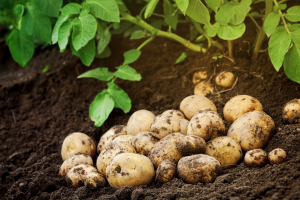
A scientist from Wageningen University and Research (WUR) used gene editing technology to develop potato plants resistant to the potato late blight disease. The disease, which caused the “Great Famine” event wherein the failure of potato crops in the mid-19th century led to a million deaths in Ireland due to starvation, still costs farmers 3-10 billion Euros in yield loss and management expenses annually.

The United States (US) Environmental Protection Agency (EPA) announced in May 2023 that it will exempt gene-edited plants from stringent assessment if the changes made to the plant can also be achieved through traditional breeding. But EPA requires confirmatory data as proof that the changes will not pose greater risk, a condition that the American Seed Trade Association (ASTA) is contesting.
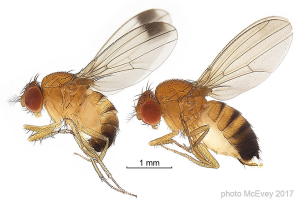
Genetic-based methods offer environmentally friendly species-specific approaches for control of insect pests. One method, CRISPR homing gene drive that target genes essential for development, could provide very efficient and cost-effective control. While significant progress has been made in developing homing gene drives for mosquito disease vectors, little progress has been made with agricultural insect pests
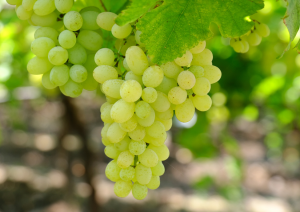
Powdery mildew has a significant impact on the grape industry. The disease's impact, both financially and environmentally, is significant and it is the reason for the majority of pesticide use on grapes. Now, the industry has invested in finding more effective ways to fight it. The VitisGen research collaboration, a grape breeding project now in its third iteration, is working to produce a disease-resistant ‘SuperGrape' using CRISPR.