


News & Events
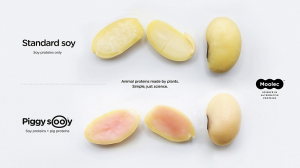
In developing meat substitutes, the goal is to make the food ingredient more meat-like and healthy. This breakthrough is what UK-based food ingredient company, Moolec, has accomplished. With genetic engineering, they have developed soybean seeds with high levels of pork protein. According to Moolec, the animal protein expressed in “Piggy Sooy” is about a quarter (26.6%) of the total soluble protein in soybean seeds. This increased amount of meat proteins led to a pinkish color in the seed, similar to pork.
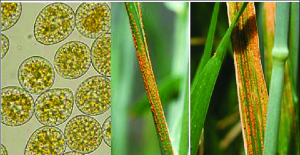
Puccinia striiformis f. sp. tritici, causing wheat yellow rust (YR), is one of the most devastating biotrophic pathogens affecting global wheat yields. Owing to the recent epidemic of the PstS10 race group in Europe, yellow rust has become a reoccurring disease in Norway since 2014. As all stage resistances (ASR) (or seedling resistances) are usually easily overcome by pathogen evolution, deployment of durable adult plant resistance (APR) is crucial for yellow rust resistance breeding.
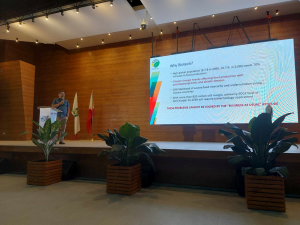
Researchers, farmers, professors, and students participated in the Current State and Opportunities for Biotechnology in International Trade and Technology Transfer on June 30, 2023. The event was a joint effort among The Southeast Asian Regional Center for Graduate Study and Research in Agriculture (SEARCA), in partnership with ISAAA Inc., Philippine Rice Research Institute (PhilRice), Crop Biotechnology Center (CBC), and the United States Department of Agriculture (USDA).
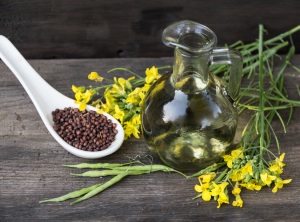
The Norwegian Food Safety Authority (NFSA) granted approval for Aquaterra® Omega-3 oil for use in fish feed applications according to a statement released on June 28, 2023. It is said to be a more sustainable source of omega-3 oil as it reduces utilization of the world's marine resources while enhancing aquaculture growth.
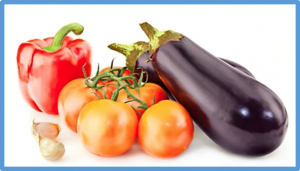
Phenolic acids and flavonoids are large groups of secondary metabolites ubiquitous in the plant kingdom. They are currently in the spotlight due to the numerous health benefits associated with their consumption, as well as for their vital roles in plant biological processes and in plant-environment interaction. Tomato, eggplant and pepper are in the top ten most consumed vegetables in the world, and their fruit accumulation profiles have been extensively characterized, showing substantial differences.
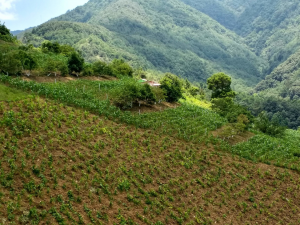
Integrated management of organic and inorganic nitrogen sources in high- to low-yield cereal production could bring yearly savings in nitrogen fertilizer of over 1 million tons in India, some 90,000 tons in Ethiopia, and more than 20,000 tons in Malawi, according to a new scientific paper, “Spatially differentiated nitrogen supply is key in a global food-fertilizer price crisis.” “Global policies and governments should prioritize nitrogen supplies to low-yield, low-fertility cropping systems, such as smallholder maize and rice farms in Malawi,
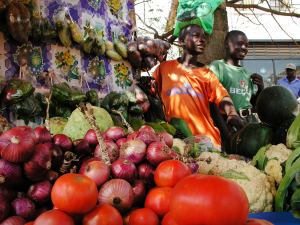
Globally, suboptimal diets are the most important preventable risk factor for noncommunicable diseases (NCDs). These diets account for 22 percent of all deaths and 15 percent of disability-adjusted life years among adults. The influential report from the EAT-Lancet Commission showed that people in most parts of the world eat too much unhealthy food, such as ultra-processed foods rich in sugars, fats, and salt, and not enough nutritious food, such as fruits and vegetables.
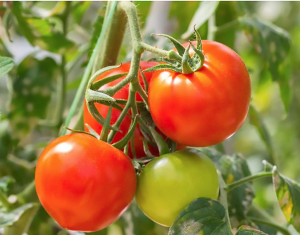
Plants are continuously exposed to various biotic and abiotic stresses in the natural environment. To cope with these stresses, they have evolved a multitude of defenses mechanisms. With the rapid development of genome sequencing technologies, a large number of non-coding RNA (ncRNAs) have been identified in tomato, like microRNAs (miRNAs) and long non-coding RNAs (lncRNAs). Recently, more and more evidence indicates that many ncRNAs are involved in plant response to biotic and abiotic stresses in tomato.
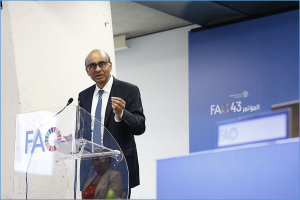
Addressing the combined challenges of food insecurity, biodiversity loss and climate change impacts can be a major source of national and global economic growth, Tharman Shanmugaratnam, Singapore’s Senior Minister and Coordinating Minister for Social Policies, told Ministers and Heads of Delegation in the first day of the 43rd Session of the FAO Conference.

QU Dongyu was today re-elected to a second term as Director-General of the Food and Agriculture Organization of the United Nations (FAO). In ballot by FAO member countries, Qu received a total of 168 out of 182 votes deposited. Nominated by China, Qu was the only candidate to FAO’s top position in today’s election. His new term will run from 1 August 2023 to 31 July 2027. The election took place on the second day of the FAO Conference (1-7 July).
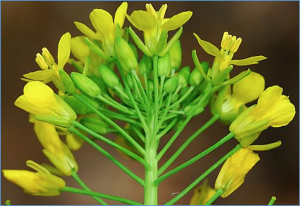
Brassica napus plants with determinate inflorescence exhibit improved traits in field production, such as lower plant height, improved lodging resistance, and consistent maturity. Compared to plants with indeterminate inflorescence, such features are favorable for mechanized harvesting techniques. Here, using a natural mutant 6138 with determinate inflorescence, it is demonstrated that determinate inflorescence reduces plant height significantly without affecting thousand-grain weight and yield per plant.
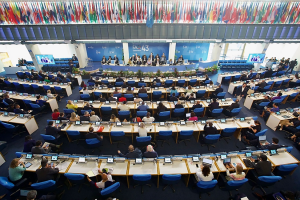
The Director-General of the Food and Agriculture Organization of the United Nations (FAO), QU Dongyu, re-elected on Sunday for a second term at the head of the Organization, delivered today his opening statement at the 43rd Session of FAO Conference (1-7 July), in which he stressed that it is time to “rewrite the narrative on food security.” The Conference began on Saturday 1 July with the election of Marie-Claude Bibeau, Canada’s Minister of Agriculture and Agri-food, as Chairperson and the McDougall Lecture by Tharman Shanmugaratnam, Singapore’s Senior Minister and Coordinating Minister for Social Policies.