


News & Events
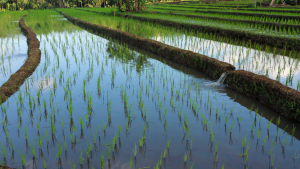
Drought is one of the major concerns for rice farmers because it can cause plants to senesce prematurely and reduce crop yields. A new study published in Plants has found that a protein called OsEF1A plays a role in drought tolerance and yield in rice. OsEF1A is a multifunctional protein that is vital for the translation of eukaryotic proteins. In the study, the researchers localized and cloned the OsEF1A gene in rice.
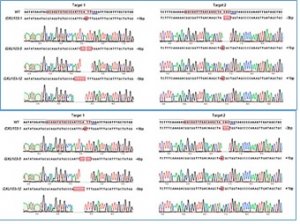
Leaf rolling is a crucial agronomic trait to consider in rice (Oryza sativa L.) breeding as it keeps the leaves upright, reducing interleaf shading and improving photosynthetic efficiency. The SEMI-ROLLED LEAF 1 (SRL1) gene plays a key role in regulating leaf rolling, as it encodes a glycosylphosphatidylinositol-anchored protein located on the plasma membrane. In this study, we used CRISPR/Cas9 to target the second and third exons of the SRL1 gene in the indica rice line GXU103, which resulted in the generation of 14 T0 transgenic plants with a double-target mutation rate of 21.4%. After screening 120 T1 generation plants, we identified 26 T-DNA-free homozygous double-target mutation plants.
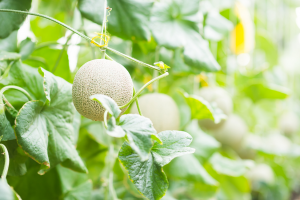
Scientists have made significant progress in improving the transformation efficiency of melon, a process that allows genes to be transferred into melon plants. The optimized protocol, along with the utilization of the CRISPR-Cas9-mediated cytosine base editor, provides a reliable framework for functional gene engineering in melon. In the past, melon transformation was a complicated and inefficient process. However, the reported protocol makes it easier and more efficient to transfer genes into melon plants.
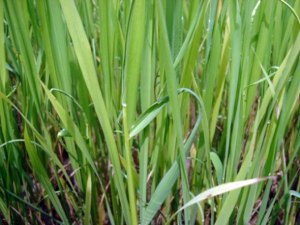
Scientists from Guangxi University in China used genome editing to enhance the leaf shape of rice and improve photosynthetic efficiency. Furthermore, they also characterized the plant's regulatory network responsible for leaf shape, specifically in leaf rolling. The results of their study provided evidence for other research work that aims to improve rice varieties by targeting the gene responsible for leaf rolling.
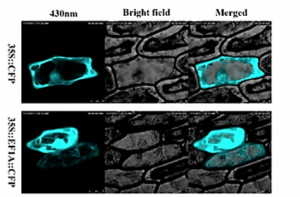
Drought is one of the most serious stresses affecting rice growth. Drought stress causes accelerated senescence, reduced fertility, and subsequent reductions in crop yield. Eukaryotic translation elongation factor EF1A is an important multifunctional protein that plays an essential role in the translation of eukaryotic proteins. In this study, we localized and cloned the OsEF1A gene in rice (Oryza sativa) in order to clarify its role in drought tolerance and yield
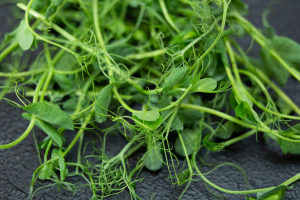
New genome sequence information of grass peas revealed key biochemical steps on how the plant produces toxins. The data can aid researchers in potentially applying genome editing tools on grass pea to make it less or non-toxic and become an alternative crop with natural resilience to flood and drought for farmers.
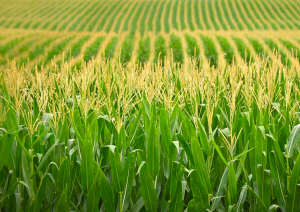
Technological and scientific advancements have improved in the past two decades. Today, the combination of genomics, gene editing, and artificial intelligence is propelling the next wave of breeding advancements. With tools such as CRISPR, plant breeders can cut a specific DNA sequence, then rely on the cell's natural DNA repair mechanisms to introduce changes at that site.
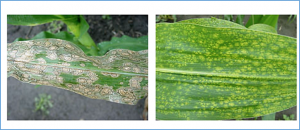
Lesion mimics are a phenotype of leaf micro-spotting in maize (Zea mays L.), which can be early signs of biotic or abiotic stresses. Dissecting its inheritance is helpful to understand how these loci behave across different genetic backgrounds. Here, 538 maize recombinant inbred lines (RILs) segregating for a novel lesion mimic were quantitatively phenotyped in Georgia, Texas, and Wisconsin.
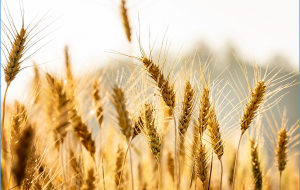
The Spanish National Research Council (CSIC) and Wageningen University & Research (WUR) used NGT-CRISPR-Cas targeted mutation to produce low-gluten, celiac-safe wheat that will help individuals with gluten intolerance. The policy report shared the advantages of this product when it becomes available in the market. The GM gluten-free wheat products will be cheaper for people that follow a celiac-safe diet. The products can also eliminate the undesirable consequences of a gluten-free diet. Other advantages include the increase in income for the EU farmers and the boost in export volumes that will benefit the EU agri-food system.

The European Commission released its proposals on New Genomic Techniques (NGTs) and Plant Reproductive Material (PRM) on July 5, 2023, which will have a significant impact on Europe's seed companies, farmers, and vegetable growers. The proposal suggests that plants resulting from targeted mutagenesis and cisgenesis be categorized separately from genetically modified organisms (GMOs) and introduces a notification process for “conventional-like” category 1 plants to confirm their status.
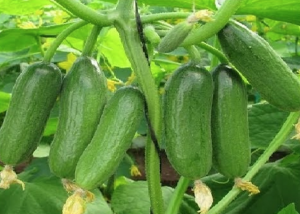
Transgene expression and genome editing can help improve cucumber varieties to better respond to climate change. This study aimed to evaluate the applicability of the CsUBL5 promoter in transgene expression and genome editing in cucumber. The CsUBL5 promoter was cloned and analyzed to identify cis-elements that respond to abiotic signals, hormones, signal molecules, and nutrient treatments
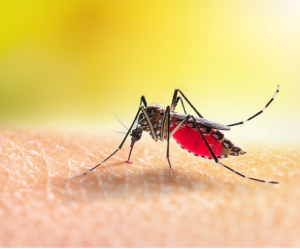
Scientists at the University of California Berkeley (UC Berkeley) and the California Institute of Technology (Caltech) created a system that uses CRISPR technology to terminate female mosquitoes that can spread diseases. This has the potential to stop the spreading of malaria across the globe. Malaria is one of the world's deadliest illnesses, which can cause hundreds of thousands of deaths each year.