


News & Events
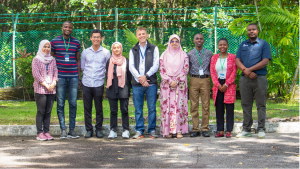
WorldFish, in collaboration with Patriot Biotech, recently organized a six-day in-person training program on molecular diagnostics and nanopore sequencing. Held in Penang, Malaysia, in May 2023, this program aimed to enhance the capacity of aquaculture researchers by providing them with valuable insights into molecular-based disease diagnostics, ranging from fish sampling to genome sequencing of bacterial isolates.
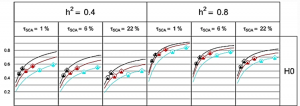
Genomic prediction holds great promise for hybrid breeding but optimum composition of the training set (TS) as determined by the number of parents (nTS) and crosses per parent (c) has received little attention. Our objective was to examine prediction accuracy (ra) of GCA for lines used as parents of the TS (I1 lines) or not (I0 lines), and H0, H1 and H2 hybrids, comprising crosses of type I0 × I0, I1 × I0 and I1 × I1, respectively, as function of nTS and c

The FAO Director-General today issued the following message on the occasion of International Youth Day 2023: "Youth and women have been a priority for me since taking office in August 2019. The FAO Youth Committee and the FAO Women’s Committee, established at the beginning of my term of office, help ensure that youth and women act as catalysts, both internally in the Organization by supporting women and youth career enrichment,
The Food and Agriculture Organization of the United Nations (FAO) will co-lead the implementation of 12 projects worth $264 million aimed to boost local and global health security as part of The Pandemic Fund’s first round of financing. As one of the Implementing Entities, FAO will be at the forefront of driving change and progress with the One Health approach, which aims to optimize the health of people, animals and ecosystems, recognizing that they are closely linked and interdependent.

The ascidian Ciona intestinalis type A (or Ciona robusta) is an important organism for elucidating the mechanisms that make the chordate body plan. CRISPR/Cas9 and TAL effector nuclease (TALEN) are widely used to quickly address genetic functions in Ciona. Our previously reported method of CRISPR/Cas9-mediated mutagenesis in this animal has inferior mutation rates compared to those of TALENs.

Researchers discussed the application of gene editing technologies to ocular diseases. Current limitations and ongoing research endeavors that will help overcome these issues were also reviewed. An example of a successful ocular gene therapy is the voretigene neparvovec (Luxturna) which can be used to treat Leber congenital amaurosis (LCA), a disease caused by mutations in the RPE65 gene.
Researchers developed an AI-based software that can analyze RNA sequencing (RNA-Seq) data in various organisms like plants and livestock. The software can be used to address many issues encountered in agriculture. Compared to DNA, RNA-Seq data offers more comprehensive information, which includes the environmental factors in which the organism lives.
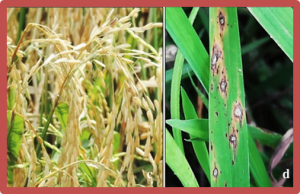
Across the globe, rice cultivation is seriously affected by blast disease, caused by Magnaporthe oryzae. This disease has caused heavy yield loss to farmers over the past few years. In this background, the most affordable and eco-friendly strategy is to introgress blast-resistant genes from donors into elite rice cultivars. However, it is not only challenging to evolve such resistance lines using conventional breeding approaches, but also a time-consuming process. Therefore, the marker-assisted introduction of resistance genes has been proposed as a rapid strategy to develop durable and broad-spectrum resistance in rice cultivars.
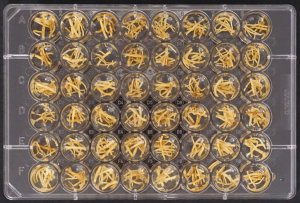
Texas A&M AgriLife Research scientists, led by Professor Kranthi Mandadi, are using a new biological technology that develops and multiplies disease-resistant citrus plants using “hairy roots.” The team is developing new ways to fight fastidious pathogens in plants including the one causing citrus greening. Fastidious plant pathogens infect citrus, tomatoes, potatoes, grapes, peppers, and other crops. Fastidious plant pathogens infect citrus, tomatoes, potatoes, grapes, peppers, and other crops. These are often transmitted by insect vectors and are responsible for billions of dollars in agricultural losses.

The Netherlands Commission on Genetic Modification (COGEM) released the evaluation of the stacked genetically modified (GM) cotton GHB614 x T304-40 x GHB119 x COT102 for food and feed use, as submitted by Bayer CropScience. COGEM has previously advised positively on the import and processing of all four GM parental lines of this stacked GM event, as well as on the import and processing of several stacked events,
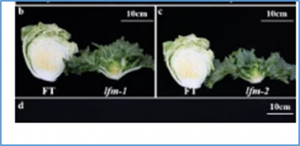
Leafy head formation is a unique agronomic trait of Chinese cabbage that determines its yield and quality. In our previous study, an EMS mutagenesis Chinese cabbage mutant library was constructed using the heading Chinese cabbage double haploid (DH) line FT as the wild-type. Here, we screened two extremely similar leafy head deficiency mutants lfm-1 and lfm-2 with geotropic growth leaves from the library to investigate the gene(s) related to leafy head formation. Reciprocal crossing results showed that these two mutants were allelic. We utilized lfm-1 to identify the mutant gene(s).
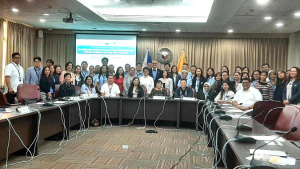
The Southeast Asian Regional Center for Graduate Study and Research in Agriculture (SEARCA) in partnership with ISAAA Inc., the United States Department of Agriculture (USDA), and the House of Representatives of the Philippines successfully conducted the third leg of the 2023 USDA Biotech Outreach Program on August 8, 2023 in the Philippine Congress. The event aimed to promote sound science-based policies to support an enabling environment for the uptake of biotech innovations in the Philippines.