


News & Events

Researchers from ETH Zurich have developed a method to genetically modify individual animal cells. Using the CRISPR-Cas gene scissors, the researchers aim to simplify and speed up the research process with laboratory animals by simultaneously making several gene changes in the cells of a single animal. The causes of genetic diseases are usually determined by multiple genes. However, it is difficult for scientists to determine specific genes involved in the disease.

Researchers from Japan developed a novel CRISPR-based tool, AsCas12f, with comparable effectiveness but smaller size. It can be transported into living cells via carrier viruses, which makes it more efficient. AsCas12a and SpCas9 are widely used for gene editing in human cells. However, their large size makes it difficult to deliver them using adeno-associated virus (AAV) vectors.
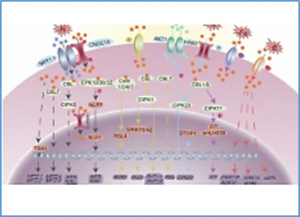
Calcium (Ca2+) is a second messenger in plants growth and development, as well as in stress responses. The transient elevation in cytosolic Ca2+ concentration have been reported to be involved in plants response to abiotic and biotic stresses. In plants, Ca2+-induced transcriptional changes trigger molecular mechanisms by which plants adapt and respond to environment stresses.

Dr. M. S Swaminathan, the renowned agricultural scientist known as the Father of India’s Green Revolution, passed away at his residence in Chennai on September 28 at the age of 98. The Padma Vibhushan awardee was Director General of the Indian Council of Agricultural Research and headed the International Rice Research Institute in the Philippines. He was the first to get the World Food Prize and used the proceeds from the prize to establish the renowned MSSRF non-profit trust. As tributes pour in from across the globe,

ISAAA Inc., in partnership with the Philippine Agriculture and Fisheries Biotech Program (DA Biotech), invites Filipino cartoonists to join BioteKomiks, a comic strip-making contest that centers on the theme "The Wonders of Pinoy Biotek." It aims to capture the perspectives of artists on the impact of Pinoy Biotek on the country's agriculture and fisheries through a four-panel comic strip.
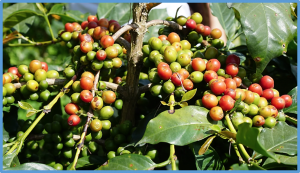
Humans have had a major influence on the dissemination of crops beyond their native range, thereby offering new hybridization opportunities. Characterizing admixed genomes with mosaic origins generates valuable insight into the adaptive history of crops and the impact on current varietal diversity. We applied the ELAI tool-an efficient local ancestry inference method based on a two-layer hidden Markov model to track segments of wild origin in cultivated accessions in the case of multiway admixtures.

The first-ever Global Conference on Sustainable Agricultural Mechanization by the Food and Agriculture Organization of the United Nations (FAO) ended today with a Call to Action comprising 15 key actions designed to accelerate the transformation of global agrifood systems to make them more efficient, inclusive, resilient, and sustainable. Held in hybrid form at FAO's headquarters in Rome, the conference saw more than 8,500 participants from around the world engage in a series of discussions highlighting the contributions and benefits stemming from the sustainable development of agricultural mechanization.
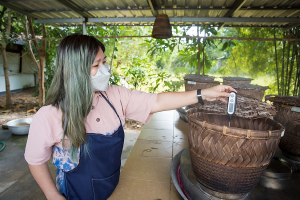
Reducing food loss and waste represents a triple win opportunity with immediate positive impact on food security, climate benefits, and increased availability of nutritious food while improving the overall sustainability of agrifood systems, QU Dongyu, Director-General of the Food and Agriculture Organization of the United Nations (FAO) said today.
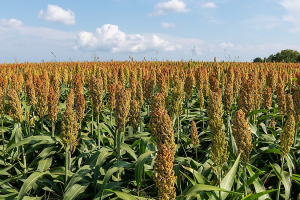
The root system architecture (RSA) of crop plants influences adaptation to water-limited conditions and determines the capacity of a plant to access soil water and nutrients. Four key root traits (number, angle, length and dry mass) were evaluated in a diversity panel of 1771 Ethiopian sorghum landraces using purpose-built root chambers. Significant genetic variation was observed in all studied root traits, with nodal root angle ranging from 16.4° to 26.6°, with a high repeatability of 78.9%.

During the FSA board meeting on September 20, 2023, the agency unveiled the plans on the regulation of precision-bred food and feed products under the Genetic Technology (Precision Breeding Act) 2023. Their approach is similar to the regulatory process currently being adopted in Canada, as well as the system proposed by the EU Commission in July 2023. This approach is considered faster and less complex compared to the regulation of GM crops.
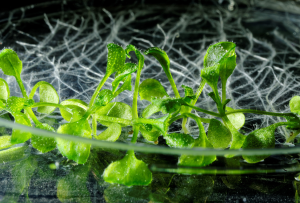
Researchers at Rothamsted Research have discovered that a sugar molecule that is common in many plant and bacterial biochemical pathways may be critical in determining when plant roots branch. Trehalose-6-phosphate (T6P), a simple sugar based on two conjoined glucose molecules, appears to be the vital intermediary between hormone signaling and lateral root development.
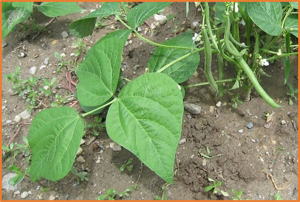
Plant karyotypes evolve through structural rearrangements often associated with polyploidy or dysploidy. The genus Phaseolus comprises ~ 90 species, five of them domesticated due to their nutritional relevance. Most of the species have 2n = 22 karyotypes and are highly syntenic, except for three dysploid karyotypes of species from the Leptostachyus group (2n = 20) that have accumulated several rearrangements.