


News & Events
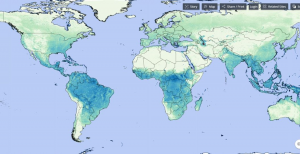
One of the most innovative tools in water management and governance is going global. WaPOR, as it is widely known, is expanding its geospatially driven coverage to the whole world, following six years of successful use in Africa and the Near East. The new and improved version was launched today at the Food and Agriculture Organization of the United Nations (FAO) at the 2nd Rome Water Dialogue and on the sidelines of the Global Symposium on Soils and Water.
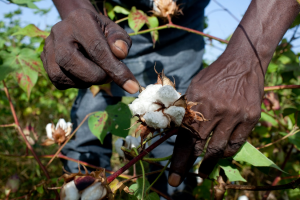
World Cotton Day, which is celebrated each year on October 7, was marked in Vienna with an event jointly hosted by the United Nations Industrial Development Organization (UNIDO) and FAO, in cooperation with the World Trade Organization (WTO), the International Trade Center (ITC), the United Nations Conference on Trade and Development (UNCTAD) and the International Cotton Advisory Committee (ICAC).
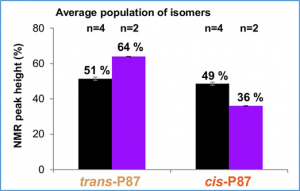
AUXIN/INDOLE 3-ACETIC ACID (Aux/IAA) transcriptional repressor proteins and the TRANSPORT INHIBITOR RESISTANT 1/AUXIN SIGNALING F-BOX (TIR1/AFB) proteins to which they bind act as auxin coreceptors. While the structure of TIR1 has been solved, structural characterization of the regions of the Aux/IAA protein responsible for auxin perception has been complicated by their predicted disorder.

Rice University scientists made base editing safer and more precise by giving it an on/off switch. Their findings are published in Nature Communications. DNA base editors are tools that use parts of a CRISPR system to change one letter in a base pair. It enables the correction of a point mutation without cutting through the entire DNA.

Researchers from Rice University described one of the smallest known CRISPR-Cas13 systems, CRISPR-Cas13bt3, in a three-dimensional structure. The researchers hope this could combat viruses by targeting RNA, which generally encode their genetic information using RNA rather than DNA. Cas13 is commonly used for in vivo RNA knockdown and transcriptome modulation because of its high precision in targeting RNA.
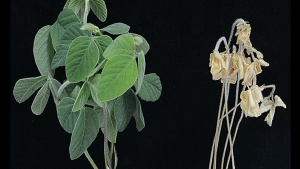
Soybean (Glycine max L.) is an oil and protein crop of global importance, and salinity has significant effects on soybean growth. Here, a population of soybean chromosome segment substitution lines was screened to identify highly salt-tolerant lines. In total, 24 quantitative trait loci (QTLs) on seven chromosomes were associated with salt tolerance, and CSSL_R71 was selected for further analysis.

A new study of the genetic code of more than 600 types of carrots reveals that three specific genes are required to give carrots an orange color. Surprisingly, these three required genes all need to be recessive or turned off. Researchers from North Carolina State University (NC State) and the University of Wisconsin-Madison worked to sequence 630 carrot genomes in a continuing examination of the history and domestication of the orange carrot.
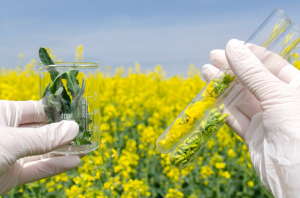
A report published by Credence Research forecasts a 6.97% growth of the agricultural biotechnology market from 2023-2030. North America has the highest market percentage compared to other regions. The agricultural biotechnology market was segmented based on various factors, such as type, technology, and application.
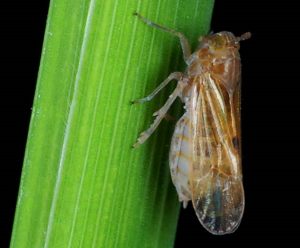
Rice field bunds and edges can act as near crop habitats, available for planting flowering plants to attract and conserve the natural enemies. We evaluated the effect of ecological engineering on the incidence of Brown Planthopper (BPH), Nilaparvata lugens (Stål) (Hemiptera; Delphacidae) and the abundance of its predators in the rice variety Pusa Basmati-1121. Plots included the oilseed crops viz. sesamum, sunflower and soybean, with plantings of flowering crops marigold,
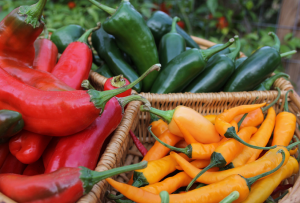
An international team, including scientists from the Boyce Thompson Institute's (BTI) Fei Laboratory, has sequenced the genomes of key cultivated and wild pepper species, offering unprecedented insights into pepper evolution, domestication, and genetic diversity. The Capsicum genus, commonly called pepper or paprika, belongs to the nightshade family, which includes about 35 species. The research team discovered that the two main domesticated species have been selectively bred in different ways, affecting traits such as fruit size, shape, and spiciness.

Katalin Karikó and Drew Weissman were awarded the 2023 Noble Prize in Physiology or Medicine in recognition of their discoveries that were helpful in the development of effective mRNA vaccines to combat COVID-19. The award was granted to them on October 2, 2023. Drs. Karikó and Weissman have found that mRNA with modified bases is less likely to trigger an immune response and produces more protein.
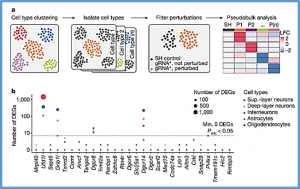
The ever-growing compendium of genetic variants associated with human pathologies demands new methods to study genotype–phenotype relationships in complex tissues in a high-throughput manner1,2. Here we introduce adeno-associated virus (AAV)-mediated direct in vivo single-cell CRISPR screening, termed AAV-Perturb-seq, a tuneable and broadly applicable method for transcriptional linkage analysis as well as high-throughput and high-resolution phenotyping of genetic perturbations in vivo.