


News & Events
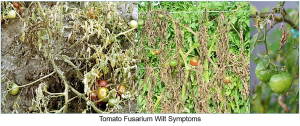
Vascular wilt diseases caused by Fusarium oxysporum are a major threat to many agriculturally important crops. Genetic resistance is rare and inevitably overcome by the emergence of new races. To identify potentially durable and non-race-specific genetic resistance against Fusarium wilt diseases, we set out to identify effector targets in tomato that mediate susceptibility to the fungus. For this purpose, we used the SIX8 effector protein, an important and conserved virulence factor present in many pathogenic F. oxysporum isolates. Using protein pull-downs and yeast two-hybrid assays, SIX8 was found to interact specifically with two members of the tomato TOPLESS family: TPL1 and TPL2.
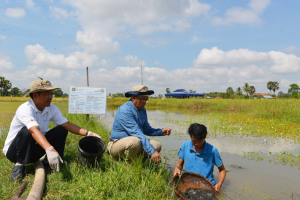
Rice field fisheries have long been an essential part of Cambodia’s rural landscape, providing crucial sustenance and income to millions of people. With this, the CGIAR Initiative on Asian Mega-Deltas (AMD) has been leading the charge in conducting transformative experiments aimed at harnessing the potential of rice field ponds to improve the livelihoods of rural communities and contribute to sustainable development.
RiceMoRe, a collaborative effort between the Department of Crop Production (DCP), Center for Agriculture Digital Transformation and Statistics (DTS) and the International Rice Research Institute (IRRI), introduces an innovative solution to digitize and enhance the monitoring and reporting processes for rice production. Accessible via both a web-based platform (https://ricemore.org) and a mobile application, RiceMoRe aims to streamline and standardize the collection and analysis of rice production data for improved accuracy, timeliness, and accessibility of decision-support information.
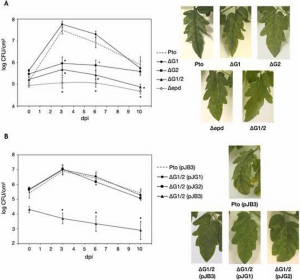
Glyceraldehyde-3-phosphate dehydrogenase (GAPDH or Gap) is a ubiquitously distributed enzyme that plays an essential role in the glycolytic and gluconeogenic pathways. However, additional roles have been described unrelated to its enzymatic function in diverse organisms, often linked to its presence in the cell surface or as a secreted protein. Despite being a paradigm among multifunctional/moonlighting proteins, little is known about its possible roles in phytopathogenic bacteria.
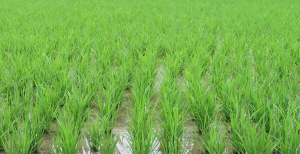
Rice Yellow Mottle Virus (RYMV) is responsible for high crop losses in Africa, particularly among small-scale farmers. A research team from Heinrich Heine University Düsseldorf (HHU) and the French National Research Institute for Sustainable Development (IRD) has now developed rice lines that are resistant to the disease using genome editing. RYMV is an RNA virus spread by beetles and direct leaf-to-leaf contact. There is no known effective protection against the virus and the only real protection is to develop rice varieties that possess a resistance gene against RYMV.

Researchers in the group of Professor Graham Moore at the John Innes Centre (JIC) have discovered a temperature tolerance factor that may protect wheat from the increasingly unpredictable challenges of climate change. The researchers made the discovery during experiments looking at wheat fertility in plants exposed to either high or low temperatures. Meiosis in wheat functions most efficiently at temperatures between 17-23 degrees centigrade.
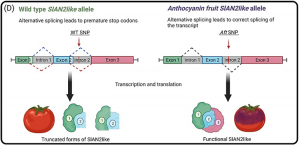
Over the past decade, progress has been made in the characterization of anthocyanin synthesis in fruits of plants belonging to the tomato clade. The genomic elements underlying the activation of the process were identified, providing the basis for understanding how the pathway works in these species. In this review we explore the genetic mechanisms that have been characterized to date, and detail the various wild relatives of the tomato
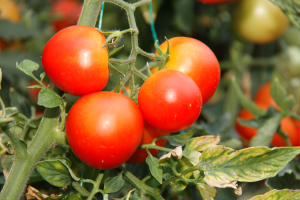
A study published in Frontiers in Plant Science shows that editing the SlHyPRP1 and SlDEA1 genes of tomato improves its biotic and abiotic stress responses. This study has evaluated the drought, salinity, bacterial leaf spot, and bacterial wilt tolerance response of tomatoes. Tomato has long been an essential crop in different regions and countries worldwide.

CRISPR/Cas is a breakthrough genome editing system because of its precision, target specificity and efficiency. As a speed breeding system, it is more robust than the conventional breeding and biotechnological approaches for qualitative and quantitative trait improvement. Tomato (Solanum lycopersicum L.) is an economically important crop but its yield and productivity have been severely impacted due to different abiotic and biotic stresses.

Chinese researchers reviewed the current research developments about wearable sensors used to monitor plant health. Their findings showed that wearable sensors could analyze plant species and life stages. Plant health is directly related to crop quality, agricultural productivity, and food security. One way to ensure that plants are healthy is through monitoring them using wearable sensors, which provide real-time and in-situ information about physiological biomarkers. However, a thorough overview of wearable plant sensors across different aspects is currently lacking.
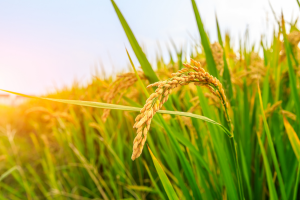
A study published in The Plant Journal shows that the mutation in OsbZIP1 contributes to the change in root angle and activation of phosphorus transport genes in roots. This mutation has shown improved uptake of plant nutrients, such as phosphorus and nitrogen, which could result in high rice yields. Increasing nutrient uptake of plants is essential to improving crop yields. Phosphorus and nitrogen play a vital role in plant growth and development. Hence, the researchers developed a rice OsbZIP1 mutant, 88n, to increase the nutrient uptake of rice.
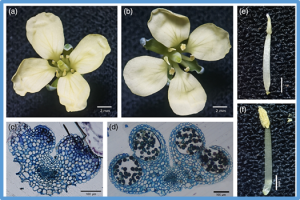
Cytoplasmic male sterility (CMS), encoded by the mitochondrial open reading frames (ORFs), has long been used to economically produce crop hybrids. However, the utilization of CMS also hinders the exploitation of sterility and fertility variation in the absence of a restorer line, which in turn narrows the genetic background and reduces biodiversity. Here, we used a mitochondrial targeted transcription activator-like effector nuclease (mitoTALENs) to knock out ORF138 from the Ogura CMS broccoli hybrid.