


News & Events
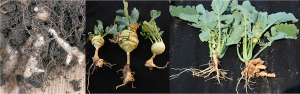
Clubroot is a devastating soil-borne disease caused by the obligate biotrophic pathogen Plasmodiophora brassica (P. brassicae), which poses a great threat to Brassica oleracea (B. oleracea) production. Although several QTLs associated with clubroot resistance (CR) have been mapped in cultivated B. oleracea, none have been cloned in B. oleracea. Previously, we found that the wild B. oleracea B2013 showed high resistance to clubroot. In this study, we constructed populations using B2013 and broccoli line 90196. CR in B2013 is quantitatively inherited, and a major QTL, BolC.Pb9.1, was identified on C09 using QTL-seq and linkage analysis.

Researchers from Finland discovered that plastic surfaces with resin displayed good antiviral activity against human coronavirus. The functionalized plastic surface demonstrates great potential as an antiviral surface for certain viruses. Viruses may stay on solid surfaces, which may cause indirect transmission of disease. That's why it is important to produce functionalized surfaces to decrease the infectious viral load that may affect our health.

Scientists from Singapore developed a novel approach to sequence single-cell RNA. This method will help examine the roles of RNA structure in single cells. RNA structure is essential for several stages of gene regulation. However, how transcript structures differ within and between different cells is unknown. That's why researchers from A*STAR's Genome Institute of Singapore produced Single Cell Structure Probing Of RNA Transcripts (Sc-SPORT) that simultaneously analyzes secondary structure and abundance at a single cell level.
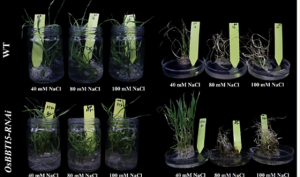
This study explores the impact of RNAi in terms of selectively inhibiting the expression of the OsBBTI5 gene, with the primary objective of uncovering its involvement in the molecular mechanisms associated with salt tolerance in rice. OsBBTI5, belonging to the Bowman-Birk inhibitor (BBI) family gene, is known for its involvement in plant stress responses. The gene was successfully cloned from rice, exhibiting transcriptional self-activation in yeast. A yeast two-hybrid assay confirmed its specific binding to OsAPX2 (an ascorbate peroxidase gene). Transgenic OsBBTI5-RNAi plants displayed insensitivity to varying concentrations of 24-epibrassinolide in the brassinosteroid sensitivity assay.

In November 2023, the CGIAR Research Initiative on Sustainable Healthy Diets through Food Systems Transformation (SHiFT) held its first research partner meeting to share research findings, evaluate progress, and set goals for the future. Researchers from SHiFT’s Work Package 3 on Governance and Inclusive Food Systems (WP3) discussed their approach to understanding and navigating the complex challenges surrounding food systems transformation.
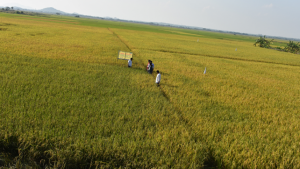
Around 80% of India’s rice production is from the eastern Indian states of Odisha, West Bengal, Bihar, Chhattisgarh, Jharkhand, Madhya Pradesh, and Assam. Rice is primarily cultivated in the kharif season; however, large areas remain fallow during the subsequent rabi season. There is tremendous potential to boost the cropping intensity and crop productivity to increase farmer income by targeting the rabi rice-fallow areas.
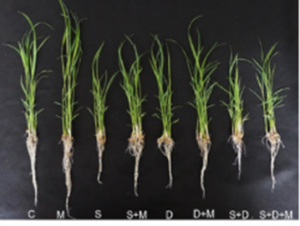
Due to global climate change, crops are certainly confronted with a lot of abiotic and biotic stress factors during their growth that cause a serious threat to their development and overall productivity. Among different abiotic stresses, salt and drought are considered the most devastating stressors with serious impact on crop's yield stability. Here, the current study aimed to elucidate how melatonin works in regulating plant biomass,

ISAAA Inc., in partnership with the Biotechnology Coalition of the Philippines (BCP), will hold the second webinar of the series about gene editing. The second webinar, titled Gene Genies: Gene Editing by Filipino Scientists (Applications in Livestock and Aquaculture), is scheduled on February 26, 2024, at 10:00 AM GMT+8. The pre-registration is now open to all high schools in the Philippines. Each school may submit names of five students and one teacher as participants.

China Agricultural University and its partners unveiled two genes that confer natural variation in maize pollen fertility. Their findings are published in the Plant Biotechnology Journal. Understanding the regulation of pollen fertility in natural populations has been a mystery for scientists. To dig deeper into this mystery, the researchers explored using a genome-wide association study and found two crucial genes in maize pollen fertility—ZmGEN1A and ZmMSH7.
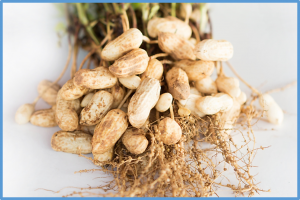
Peanut is a globally significant oilseed crop worldwide, and contains a high content (20%) of saturated fatty acid (SFA) in its seeds. As high level SFA intake in human dietary may increase the cardiovascular disease risk, reducing the SFA content in peanut is crucial for improving its nutritional quality. Half of the SFAs in peanut are very long-chain fatty acids (VLCFA), so reducing the VLCFA content is a feasible strategy to decrease the total SFA content.

VIB has submitted an application for a new field trial of genome-edited maize. The field trial will look into the development and composition of plant cell walls and how they can be changed to optimize applications in the paper and pulp industry, bioenergy, but more so in the use of plants in animal feed. Scientists from the VIB-UGent Center for Plant Systems Biology have disabled specific genes in maize that are involved in cell wall formation.

On January 24, 2024, the European Parliament's Environment Committee (ENVI) approved the Proposal on New Genomic Techniques (NGTs). With 47 votes in favor to 31 against, and 4 abstentions, this marks a significant advancement in fostering plant breeding innovations in the region. The Proposal, released in July 2023, introduces a new regulatory framework, distinguishing NGTs like targeted mutagenesis and cis-genesis from transgenics. Under the proposed regime, NGT plants would be regulated more like the ones derived from traditional breeding methods.