


News & Events
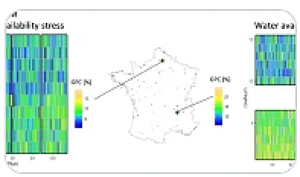
The amount of free asparagine in grain of a wheat genotype determines its potential to form harmful acrylamide in derivative food products. Here, we explored the variation in the free asparagine, aspartate, glutamine and glutamate contents of 485 accessions reflecting wheat worldwide diversity to define the genetic architecture governing the accumulation of these amino acids in grain. Accessions were grown under high and low nitrogen availability and in water-deficient and well-watered conditions, and plant and grain phenotypes were measured.
The Australian Gene Technology Regulator (OGTR) is inviting comments on an application from The University of Adelaide to conduct a field trial of wheat and barley genetically modified for yield enhancement. The field trial is proposed to run between May 2024 and January 2029 on one site with a maximum area of 2 hectares per year. The field trial site is located in Light Regional Council in South Australia. The GM wheat and barley grown in this field trial would not be used for human food or animal feed.
In a study published in ACS Biomaterials Science & Engineering, researchers found that a non-allergenic wheat protein called glutenin could support the growth of muscle and fat cells, potentially paving the way for better production of cultivated meat. With the world's population on the rise, the growing interest in cultivated meat, also called cultured meat, emerged as an alternative source of meat and protein. However, the challenge lies in getting the cells to mimic the texture of real meat, which includes fat layers.
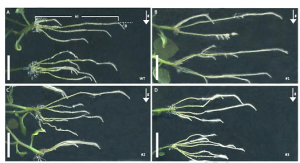
The formation of root system architecture (RSA) plays a crucial role in plant growth. OsDRO1 is known to have a function in controlling RSA in rice, however, the role of potato StDRO2, a homolog of rice OsDRO1, in root growth remains unclear. In this study, we obtained potato dro2 mutant lines by Clustered Regularly Interspaced Short Palindromic Repeats-CRISPR-Associated 9 (CRISPR/Cas9)-mediated genome editing system. The mutant lines were generated from a splicing defect of the StDRO2 intron 1, which causes a nonsense mutation in StDRO2. Furthermore, the secondary structure of StDRO2 mRNA analyzed with RNAfold WebServer was altered in the dro2 mutant.
Nanjing University of Information Science and Technology researchers and their partners used CRISPR-Cas12a to develop a groundbreaking biosensor technology for efficiently detecting genetically modified (GM) crops. This breakthrough is reported in Analytica Chimica Acta. Advances in agriculture have been recorded since the release of genetically engineered crops. The regulation of such crops is dependent on detection techniques.
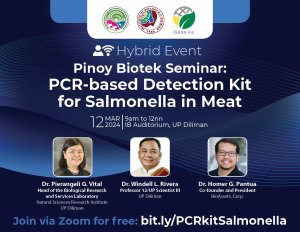
ISAAA Inc., in partnership with the University of the Philippines-Diliman Institute of Biology, will hold the hybrid event titled Pinoy Biotek Seminar: PCR Based Detection Kit for Salmonella on Meat on March 12, 2024, at 9:00 AM (GMT+8). The registration is now open. The event is part of a series of seminars that aim to increase awareness and appreciation of Pinoy biotechnologies and products by the general public, especially in the Philippines.
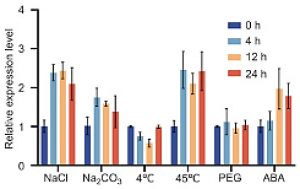
B-cell lymphoma 2 (Bcl-2)-associated athanogene (BAG) family genes play prominent roles in regulating plant growth, development, and stress response. Although the molecular mechanism underlying BAG's response to abiotic stress has been studied in Arabidopsis, the function of OsBAG underlying saline-alkaline stress tolerance in rice remains unclear. In this study, OsBAG6, a chaperone regulator localized to mitochondria, was identified as a novel negative regulator of saline-alkaline stress tolerance in rice. The expression level of OsBAG6 was induced by high concentration of salt, high pH, heat and abscisic acid treatments.
To help close data gaps and contribute to better guidance for nutrition-sensitive agrifood systems policies, the Food and Agriculture Organization of the United Nations (FAO) has created a new domain in the FAOSTAT portal. The domain presents harmonized food and nutrient statistics from different types and sources of dietary data. It reports statistics on the availability, apparent consumption, and dietary intake of foods, energy and 17 main nutrients thus capturing different dimensions across the food supply chain, from supply through to individual-level consumption.
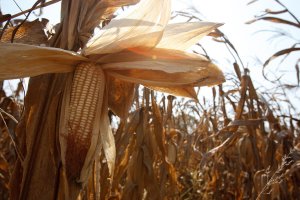
The benchmark for world food commodity prices fell further in January, albeit slightly, led by decreases in the prices of cereals and meat, which more than offset an increase in the sugar prices, the Food and Agriculture Organization of the United Nations (FAO) reported today. The FAO Food Price Index, which tracks monthly changes in the international prices of a set of globally-traded food commodities, averaged 118 points in January, down 1 percent from December and 10.4 percent from its corresponding value a year ago.
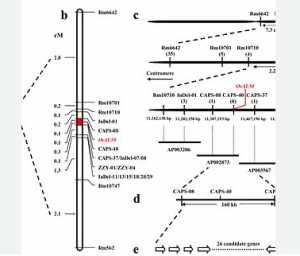
Leaf color is a highly important agronomic trait, and mutants with altered leaf coloration can serve as excellent models for studies on chloroplast development and chlorophyll biosynthesis, enabling the cloning of genes involved in these processes in rice (Oryza sativa L.). In this study, we isolated a stable genetic rice mutant, oryza sativa albino leaf 50 (osal50), from a breeding population of the japonica cultivar GP50. This mutant exhibited a distinctive albino phenotype, with white-striped leaves in seedlings and white panicles at the heading stage. Compared with wild-type GP50, the osal50 mutant showed lower chlorophyll and carotenoid accumulation, together with abnormal chloroplast ultrastructure.
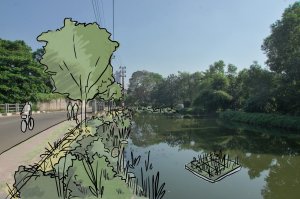
Colombo must justify the renewal of its Ramsar Wetland City status this year. Has the city sufficiently utilized green infrastructure? Sitting at the Kelani River delta on the west coast of Sri Lanka, set amidst a backdrop of shiny hotels, red-tiled colonial era-buildings and street markets, Colombo appears to be your typical Asian metropolis. But interspersed amongst the city’s built environment sit 19 kilometers of wetlands. Colombo’s urban wetlands make the city livable. Every Colombo resident benefits directly or indirectly from various wetland services.
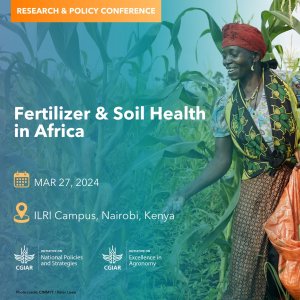
Do you have cutting-edge research, innovative solutions, or groundbreaking ideas in agricultural technology, fertilizer or soil health? If yes, you are invited to submit papers for the Fertilizer and Soil Health Conference in Africa: Emerging Lessons and Evidence for Policy Guidance – Research & Policy Conference happening on March 27, 2024, hosted by the CGIAR Research Initiatives on National Policies and Strategies (NPS) and Excellence in Agronomy (EiA).