


News & Events
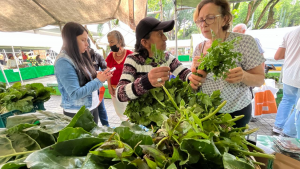
A normal Saturday morning for Mireya Hernández starts at 3 a.m. when she departs her remote rural town for an outdoor market in Cali, a city of 2.2 million people in Colombia’s southwest, to sell organic food from her family’s tiny farm. Everything from their fresh produce to the preserves is highly recommended, her clients say, but Hernández’s top suggestion is, “Show up early.”

Researchers have developed a new CRISPR tool that quickly detects chromosomal integration areas for genetic engineering. This tool may be useful in DNA integration and medical applications. CRISPR-Cas is a robust tool for gene editing that has many applications in different industries. However, identifying the best location on the chromosome to insert heterologous genes is still undetermined because there are multiple complex criteria to consider. Finding these sites on chromosomal locations also needs a lot of characterization efforts.
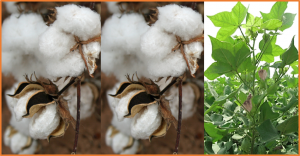
The full-length CDS of GhRCAβ2 was 1317 bp, and it encoded a protein with a chloroplast transit peptide. The GhRCAβ2 had two conserved ATP-binding domains, and did not have the C-terminal extension (CTE) domain that was unique to the RCA α-isoform in plants. Evolutionarily, GhRCAβ2 was clustered in Group A, and had a close evolutionary relationship with the soybean RCA.

The Open Forum on Agricultural Biotechnology (OFAB) in Nigeria, Africa, demands an end to the persistent spread of false and misleading information on genetically modified (GM) crops from the opposition groups, which includes organic farming advocates, philosophical or religious-based groups, and people driven by political and economic motives.
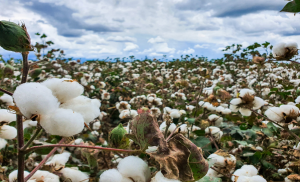
Researchers from the Henan Institute of Science and Technology and Shandong Academy of Agricultural Sciences reported the Molecular characteristics and expression pattern of Rubisco activase gene GhRCAβ2 in upland cotton. Their findings are published in Genes & Genomics. Rubisco activase (RCA) is one of the important enzymes involved in the carbon assimilation pathway, and it plays a vital role in activating Rubisco,
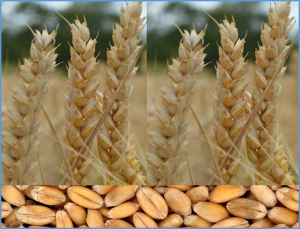
The amount of free asparagine in grain of a wheat genotype determines its potential to form harmful acrylamide in derivative food products. Here, we explored the variation in the free asparagine, aspartate, glutamine and glutamate contents of 485 accessions reflecting wheat worldwide diversity to define the genetic architecture governing the accumulation of these amino acids in grain.

Nanjing Agricultural University scientists explored using gene-editing tool CRISPR-Cas9 to minimize arsenic build-up in rice grains. Environmental Science and Technology journal reports their findings. Rice, the top staple for many countries, is exposed to inorganic arsenic in the soil. Reducing the build-up of arsenic in rice grains is vital in delivering safer rice grains.
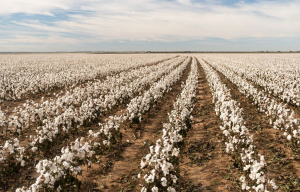
Scientists from China identified a molecular cascade that is responsible for cadmium (Cd2+) tolerance in cotton. Their research may help produce Cd2+-tolerant cotton varieties in the future. Heavy metal pollution causes adverse effects on agricultural productivity and human health. One way to address this issue is through phytoremediation, which reduces heavy metals in contaminated soil. However, the mechanisms that affect this method are still unclear, so alternative techniques must be discovered.
In 2023, the IAS has conducted 34 R&D activities with the total budget of VND 22.58 billion.
The outputs are as followed:
- Thirteen research articles were received and published in Vietanamese journals.
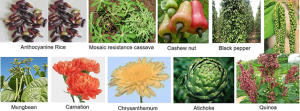
- Nine new crop varieties have developed including 3 varieties of cashewnut; 2 potato; 3 chrysanthemum; 1 carnation (Dianthus caryophyllus)
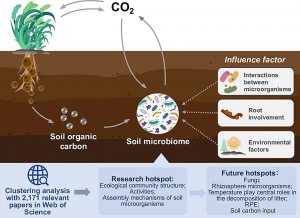
Soil microorganisms, by actively participating in the decomposition and transformation of organic matter through diverse metabolic pathways, play a pivotal role in carbon cycling within soil systems and contribute to the stabilization of organic carbon, thereby influencing soil carbon storage and turnover. Investigating the processes, mechanisms, and driving factors of soil microbial carbon cycling is crucial for understanding the functionality of terrestrial carbon sinks and effectively addressing climate change. This review comprehensively discusses the role of soil microorganisms in soil carbon cycling from three perspectives: metabolic pathways, microbial communities, and environmental influences.
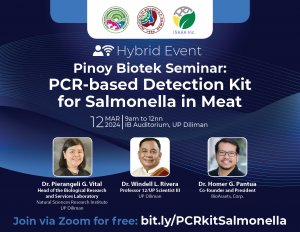
ISAAA Inc., in partnership with the University of the Philippines-Diliman Institute of Biology, will hold the hybrid event titled Pinoy Biotek Seminar: PCR Based Detection Kit for Salmonella on Meat on March 12, 2024, at 9:00 AM (GMT+8). The registration is now open. The event is part of a series of seminars that aim to increase awareness and appreciation of Pinoy biotechnologies and products by the general public, especially in the Philippines.
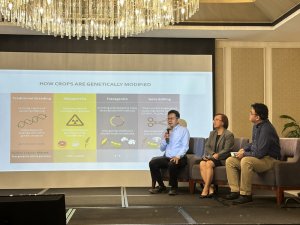
ISAAA Inc. joins 20 Years and Onward: Advancing the Future of Philippine Yellow Corn, a forum organized by the Southeast Asian Regional Center for Graduate Study and Research in Agriculture (SEARCA) and Bayer CropScience Philippines at Makati Diamond Residences on February 8, 2024. Various stakeholders were invited to the event, including business groups, regulators, policymakers, local governments, farmers, members of the academe, researchers, and non-governmental organizations.