


News & Events
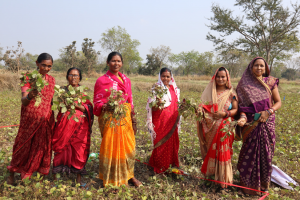
Women farmers in the Kalahandi and Bargarh districts of Odisha were celebrated as key change agents for the transformation of the drylands during ICRISAT's International Women's Day celebrations in the state. These women play a vital role in the Rice Fallow Management project, a prominent initiative led by the Government of Odisha, and their contributions are immensely valuable. The celebration primarily aimed to honor the leading women farmers who are spearheading change in rice fallows and sharing knowledge with fellow farmers from self-help groups.
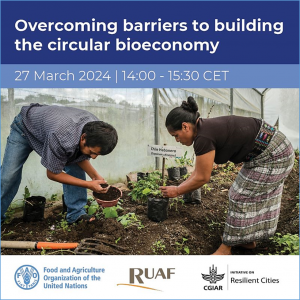
The circular bioeconomy can contribute to building sustainable and resilient city-region food systems, stimulate economic growth and protect the environment. Despite attracting significant interest, the development of the circular bioeconomy faces barriers such as inflexible regulations, potential risks, and logistical challenges.

In soybeans, faster canopy coverage (CC) is a highly desirable trait but a fully covered canopy is unfavorable to light interception at lower levels in the canopy with most of the incident radiation intercepted at the top of the canopy. Shoot architecture that influences CC is well studied in crops such as maize and wheat, and altering architectural traits has resulted in enhanced yield. However, in soybeans the study of shoot architecture has not been as extensive.
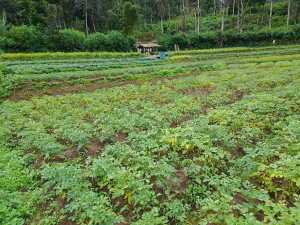
The FRESH Initiative, in collaboration with the ClimBeR initiative, is providing Sri Lankan farmers with climate information and agronomic advisories straight to their mobile phones. In recent years, Sri Lanka has experienced the impacts of climate change with recurrent extreme droughts and intense rainfall events. Vegetable farmers in the upcountry areas traditionally rely on predictable seasonal rainfall patterns. However, climate change has disrupted these patterns, leading to erratic precipitation and an increasing number of extreme weather events like droughts and heavy rainfall.
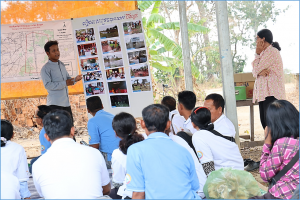
In partnership with the Fisheries Administration (FiA) and GIZ, WorldFish recently conducted an exposure visit focusing on best practices for the management of rice field fisheries (RFF) in Kampong Thom province. The visit was attended by representatives from the Community Fish Refuges (CFRs) committee in the Mekong Delta and the upper Mekong provinces. The primary objective of the visit was to explore and learn about the management and conservation of fisheries resources through CFRs.
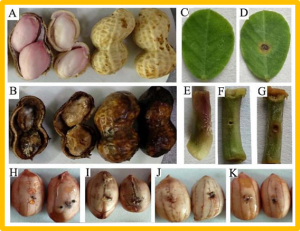
Peanut Fusarium rot, which is widely observed in the main peanut-producing areas in China, has become a significant factor that has limited the yield and quality in recent years. It is highly urgent and significant to clarify the regulatory mechanism of peanuts in response to Fusarium oxysporum. In this study, transcriptome and proteome profiling were combined to provide new insights into the molecular mechanisms of peanut stems after F. oxysporums infection.

FAO Director-General QU Dongyu met today with H.E. Danilo Palacios, Minister for Agriculture and Livestock of Ecuador, at FAO headquarters in Rome, on the sidelines of the 4th Global Conference of the World Banana Forum, taking place on 12-13 March 2024. The Minister highlighted the importance of the agrifood system in Ecuador and the role of FAO in supporting productive innovation and inclusive rural development, agriculture digitalization and sustainable ecosystems management. The Minister also reaffirmed the commitment of Ecuador to further strengthen collaboration with FAO.
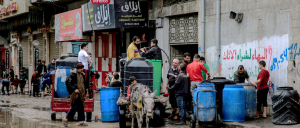
The Food and Agriculture Organization of the United Nations (FAO) raises alarm over rapidly deteriorating hunger crisis in the Gaza Strip, where famine is projected to occur anytime between now and May 2024 in the northern governorates, according to a new report published today by the Integrated Food Security Phase Classification (IPC) global initiative. The rest of the Gaza Strip is also at the risk of future famine in the worst case scenario if the hostilities do not cease and humanitarian assistance at scale does not reach those most in need.
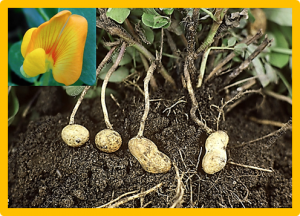
Cultivated peanut (Arachis hypogaea L.), a legume crop greatly valued for its nourishing food, cooking oil, and fodder, is extensively grown worldwide. Despite decades of classical breeding efforts, the actual on-farm yield of peanut remains below its potential productivity due to the complicated interplay of genotype, environment, and management factors, as well as their intricate interactions. Integrating modern genomics tools into crop breeding is necessary to fast-track breeding efficiency and rapid progress.
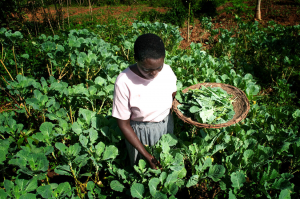
There is an urgent need to transform agrifood systems and leverage their climate solutions, the Food and Agriculture Organization of the United Nations (FAO) has said in light of the findings of the latest UN State of the Global Climate Report. The World Meteorological Organization-(WMO)-led report in collaboration with other UN agencies including FAO, shows how climate change indicators records including surface temperatures and greenhouse gas levels were once again broken in 2023.
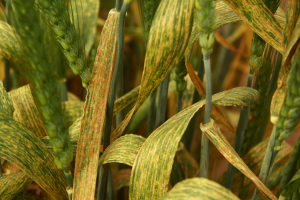
A study published in Plant Biotechnology Journal shows that the knockout of GRAIN WIDTH2 (TaGW2) improved the leaf rust resistance of wheat without compromising its yield. The findings provide significant insights into the development of effective strategies to combat leaf rust in wheat. Wheat leaf rust is a major fungal disease caused by Puccinia triticina Eriksson (Pt). According to reports, it causes 30% to 50% yield losses in wheat production
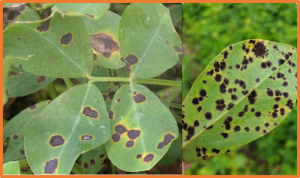
Late leaf spot (LLS) is one of the major foliar diseases of peanut, causing serious yield loss and affecting the quality of kernel and forage. Some wild Arachis species possess higher resistance to LLS as compared with cultivated peanut; however, ploidy level differences restrict utilization of wild species. In this study, a synthetic amphidiploid (Ipadur) of wild peanuts with high LLS resistance was used to cross with Tifrunner to construct TI population