


News & Events
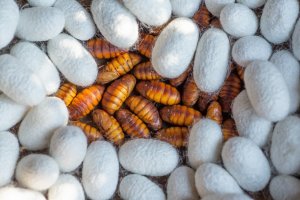
Experts have been trying to modify silkworm genes to create silk with new properties, like spider silk's strength. This goal is faced with numerous challenges, but researchers from Jiangsu University of Science and Technology in China and partners explored using various techniques for genetically engineering silkworms, such as TALENs and transposon-mediated transformation. These methods involve adding genes for specific silk proteins: a spider silk protein and a bagworm silk protein.

Yield10 Bioscience, Inc. announced that the U.S. Department of Agriculture Animal and Plant Health Inspection Service (USDA-APHIS)'s Biotechnology Regulatory Services (BRS) has determined that Yield10's Camelina sativa (Camelina) varieties developed using genetic engineering to produce omega-3 fatty acids are not subject to the regulations under 7 CFR part 340, and may be grown and bred in the United States.
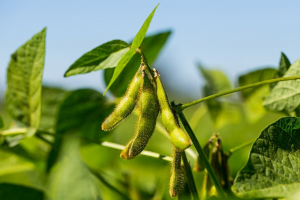
Advances in high-throughput phenotyping technology have made it possible to obtain time-series plant growth data in field trials, enabling genotype-by-environment interaction (G × E) modeling of plant growth. Although the reaction norm is an effective method for quantitatively evaluating G × E and has been implemented in genomic prediction models, no reaction norm models have been applied to plant growth data. Here, we propose a novel reaction norm model for plant growth using spline and random forest models, in which daily growth is explained by environmental factors one day prior.

Cadmium is a heavy metal that can build up in plants and cause harm to people who consume them. Using the CRISPR gene editing tool, the researchers turned off OsHMA3, and this led to rice plants with more sensitivity to cadmium. While less cadmium was detected in the root, more cadmium accumulated in the grains. Furthermore, turning off the gene also led to disrupted plant growth, as the plants were observed to exhibit shorter plant height and lower seed setting rate compared to wild-type plants.
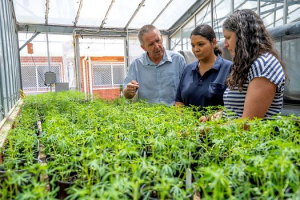
Lupin experts from the Western Australia Department of Primary Industries and Regional Development (DPIRD), Murdoch University, Curtin University, and Australian Grain Technologies (AGT) commenced a 5-year project to develop the germplasm and pinpoint resistance genes to major diseases of narrow-leafed lupins (NLL): phomopsis, cucumber mosaic virus (CMV), anthracnose, and sclerotinia.
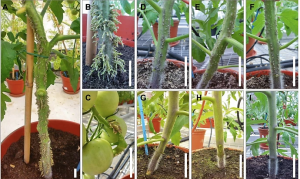
The use of tomato rootstocks has helped to alleviate the soaring abiotic stresses provoked by the adverse effects of climate change. Lateral and adventitious roots can improve topsoil exploration and nutrient uptake, shoot biomass and resulting overall yield. It is essential to understand the genetic basis of root structure development and how lateral and adventitious roots are produced. Existing mutant lines with specific root phenotypes are an excellent resource to analyse and comprehend the molecular basis of root developmental traits.
Using a combination of protein engineering and computational design, researchers from NYU Tandon School of Engineering present a new method in addition to an array of treatment modalities against COVID-19. Their research is published in the Biochemical Engineering Journal. The study, led by Dr. Jin Kim Montclare, aimed to develop an engineered protein that can attach to the spike proteins on the surface of the coronavirus and small molecules, such as the antiviral drug Ritonavir.

Researchers from Baylor College of Medicine discovered that the removal of the CAX1 gene increases the low-oxygen stress tolerance of Arabidopsis under flooding conditions. The findings of their study are published in Plant, Cell & Environment. Overwatering plants can be just as detrimental as underwatering them.
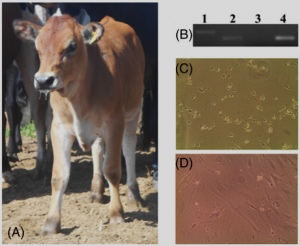
The worldwide growing demand for human insulin for treating diabetes could be supplied by transgenic animals producing insulin in their milk. Pseudo-lentivirus containing the bovine β-casein promoter and human insulin sequences was used to produce modified adult fibroblasts, and the cells were used for nuclear transfer. Transgenic embryos were transferred to recipient cows, and one pregnancy was produced. Recombinant protein in milk was evaluated using western blotting and mass spectrometry.
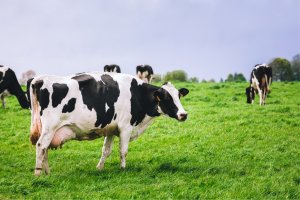
Scientists generated a transgenic cow that produces milk with human insulin. Their research may help patients with diabetes. Insulin deficiency or resistance may cause diabetes, which is a disease that can severely damage various body organs. In order for their body to function properly, diabetics need to inject insulin for their whole lives. Researchers need to find better alternatives to address this disease. Scientists from various institutions in Brazil and the USA produced transgenic cattle that give milk with proinsulin and insulin.
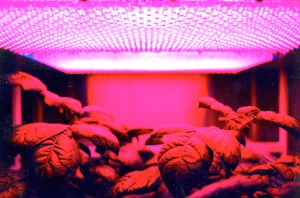
In a paper published in the journal Device, researchers from the University of Illinois Urbana-Champaign report that new, highly stretchable polymer sensors can monitor and transmit plant growth information without human intervention. The study provides details of earlier research that investigated how wearable printed electronics can make farming possible in space.
Rice output has grown globally, yet abiotic factors are still a key cause for worry. Salinity stress seems to have the more impact on crop production out of all abiotic stresses. Currently one of the most significant challenges in paddy breeding for salinity tolerance with the help of QTLs, is to determine the QTLs having the best chance of improving salinity tolerance with the least amount of background noise from the tolerant parent. Minimizing the size of the QTL confidence interval (CI) is essential in order to primarily include the genes responsible for salinity stress tolerance.