


News & Events
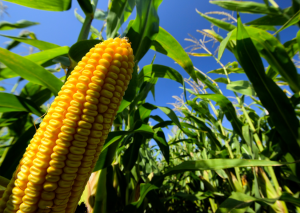
The European Food Safety Authority (EFSA) GMO Panel has released its Scientific Opinion on the safety of genetically modified (GM) herbicide tolerant and potential yield enhanced maize DP202216, for import, processing, and food and feed uses within the European Union (EU) and does not include cultivation. Following the submission of application EFSA-GMO-NL-2019-159 under Regulation (EC) No 1829/2003 from Pioneer Overseas Corporation, the EFSA GMO Panel was asked to deliver a Scientific Opinion on the safety of GM maize DP202216.

Yield10 Bioscience announced that the Plant Biosafety Office of the Canadian Food Inspection Agency recently reviewed information on the Company's E3902 Camelina sativa (Camelina) and determined that E3902 is not a Plant with Novel Trait and is not subject to a pre-market notification under Part V of the Seeds Regulations. Yield10's E3902 Camelina combines genome edits in three proprietary genetic traits, C3008a, C3008b, and C3009, that result in an increase in oil production by five percent and produce a lighter seed coat color than the parental Camelina line. E3902 Camelina remains subject to other applicable requirements of the Seeds Act and Regulations in Canada.
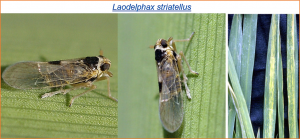
Throughout evolution, arboviruses have developed various strategies to counteract the host’s innate immune defenses to maintain persistent transmission. Recent studies have shown that, in addition to bacteria and fungi, the innate Toll-Dorsal immune system also plays an essential role in preventing viral infections in invertebrates.
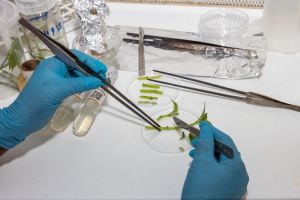
TQM, short for Total Quality Management, is a comprehensive management strategy aimed at continually enhancing the quality of products and services. It involves all organizational employees and emphasizes meeting customer needs and surpassing their expectations through the integration of quality across all processes and functions. TQM underscores the significance of leadership, customer satisfaction, employee participation, process improvement, and data-driven decision-making as indispensable elements for attaining organizational excellence, all of which are being seamlessly integrated within Breeding Research and Services.
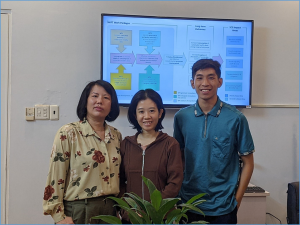
The CGIAR Research Initiative on Sustainable Healthy Diets through Food Systems Transformation (SHiFT) and the Hanoi University of Science and Technology are pleased to announce the awardees of the 2024 student grant scheme. The purpose of the grant is to enrich master’s-level research projects on topics related to sustainable healthy diets, the food environment, and/or food systems in Viet Nam. Each winner receives US$4,000 to support data collection and fieldwork for their master’s thesis.
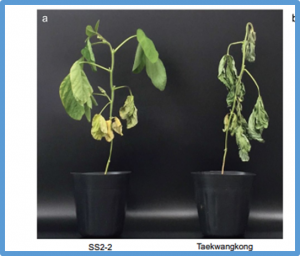
Drought is one of the major environmental factors which limits soybean yield. Slow wilting is a promising trait that can enhance drought resilience in soybean without additional production costs. Recently, a Korean soybean cultivar SS2-2 was reported to exhibit slow wilting at the early vegetative stages. To find genetic loci responsible for slow wilting, in this study, quantitative trait loci (QTL) analysis was conducted using a recombinant inbred line (RIL) population derived from crossing between Taekwangkong (fast-wilting) and SS2-2 (slow-wilting).

Gene editing tools, such as CRISPR-Cas9, allow scientists to make precise changes in plant genes, leading to various improvements such as biofortification and resiliency. These tools provide promise to different areas of research, especially in agriculture and food. Researchers from Vietnam National University and partners from Japan assessed the consumer acceptance of consumer-targeted gene-edited products, particularly gene-edited rice with improved quality.
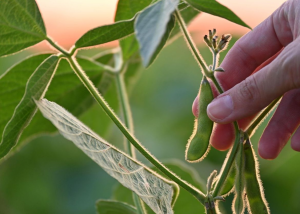
Researchers from China used CRISPR on soybeans to boost yield in temperate regions. Their strategy may also be used to introduce essential traits like disease tolerance in crops. Soybean needs a long period of darkness and is restricted to a narrow range of latitudes to grow. When it is planted in temperate regions, the soybean's flowering and maturity are delayed, which severely affects harvest time.

Unlike genetic modification, genome editing (GE) technologies can be used to yield transgene-free outcomes, which is an important aspect in promoting consumer acceptance of GE foods. In addition, with the advent of the clustered regularly interspaced short palindromic repeats/Cas9 (CRISPR/Cas9) system, which is known to be exceptional among genome editing tools, GE has numerous potential applications in plant breeding technology to create diverse desirable traits,
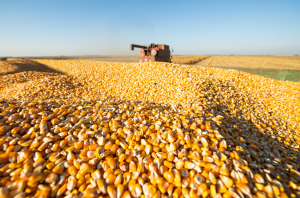
Origin Agritech Ltd. announced a breakthrough in corn production. Using precise gene editing techniques, Origin Agritech has developed a high-yielding corn inbred line that significantly surpasses the productivity of traditional corn by over 50 percent. For more than two years of rigorous multilocational field trials, the gene-edited corn showed a yield increase of over 50 percent compared to the original line

In a new decree presented on March 18, 2024, Uruguay's Ministries of Environment and Livestock, Agriculture and Fisheries announced that they will work together in the analysis of the New Genetic Improvement Techniques applicable to products or organisms, linked to agriculture, aquaculture, or forestry production and their derived products.
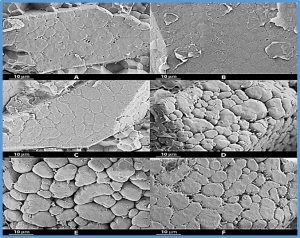
Given that rice serves as a crucial staple food for a significant portion of the global population and with the increasing number of individuals being diagnosed with diabetes, a primary objective in genetic improvement is to identify and cultivate low Glycemic Index (GI) varieties. This must be done while ensuring the preservation of grain quality. 25 Italian rice genotypes were characterized calculating their GI "in vivo" and, together with other 29 Italian and non-Italian genotypes they were studied to evaluate the grain inner structure through Field Emission Scanning Electron Microscopy (FESEM) technique.