


News & Events
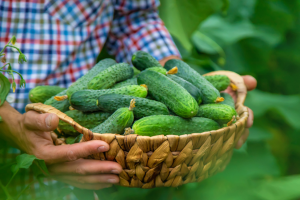
Chinese researchers reveal the novel function of R2R3-MYB transcription factors CsRAXs in regulating leaf size and fruiting ability of cucumber. Their findings are reported in the Journal of Integrative Plant Biology. Understanding leaf development is essential for various aspects of agriculture, including crop yield and production. Leaves are the primary photosynthesis organs in plants, and their efficiency has a direct impact on the plant's growth, development, and overall productivity. Hence, the researchers explored the role of CsRAXs in cucumber plants.
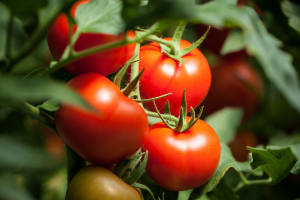
Chinese researchers explore the function of the NAC transcription factor NOR-like1 gene in tomato fruit softening. The findings of their study are reported in Postharvest Biology and Technology. Softening in fleshy fruits is a critical aspect that significantly influences their overall quality and shelf life. Previous studies show that the NOR-like1 gene affects fruit ripening and firmness. Thus, the researchers generated knockout and overexpressing NOR-like1 lines of tomato using CRISPR-Cas9 technology to understand the function of NOR-like1.
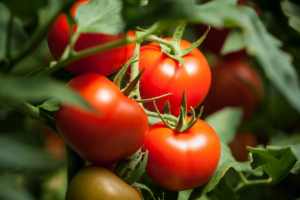
Softening is a key factor affecting the quality and shelf life of fleshy fruits and is regulated by transcription factors (TFs). Our previous studies have shown that knockout of the NOR-like1 gene, a NAC transcription factor, can affect fruit ripening and firmness, but the molecular of NOR-like1 regulating fruit softening is not fully understand. Here, we firstly generate the NOR-like1 over-expressing lines (OE-NOR-like1),
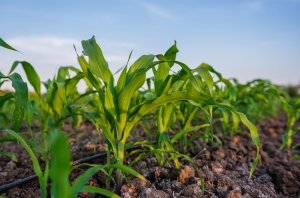
Arsenic is a toxic element that accumulates in food when crops grow in contaminated soil. A study conducted by the University of Basel has discovered a mechanism used by corn plants to reduce arsenic uptake in a special substance released into the soil by the plant's roots. Arsenic-contaminated soils and waters are found in many parts of the world, especially in southeastern Asian countries like Bangladesh, Vietnam, and China
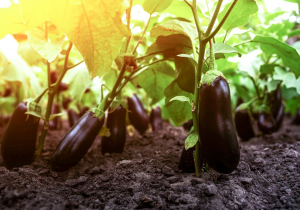
Researchers from Ryukoku University and Osaka Metropolitan University in Japan have grown transgenic eggplants with high beta-carotene content. These crops were grown under artificial lighting. Eggplants only have few carotenoids, like beta-carotene, compared to tomatoes. That is why scientists are searching for ways to boost the amount of beta-carotene in eggplants to make it more nutritious.
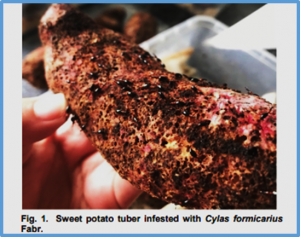
Sweet potato is grown in tropical countries for its edible tubers, which have become an essential food source. It is usually propagated through vine-cutting, which can be obtained from harvested plants or nurseries intended for cutting production only. The recurrent use of vines may cause increased weevil infestation. The crop is known to be infested with insect pests.
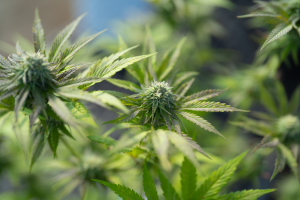
The US Department of Agriculture announced the approval of bioengineered hemp with boosted levels of medicinal ingredients and reduced psychoactive ingredients. The review of the Animal and Plant Health Inspection Service (APHIS) concluded that the improved hemp is unlikely to cause increased plant pest risk compared to other cultivated plants.

Scientists used genetic engineering on bacterium to produce leather that is animal- and plastic-free. This sustainable leather also has self-dyeing properties. Bacterial cellulose (BC) is a promising alternative to leather due to its biodegradability, material properties, and low infrastructure needs. However, in order for BC to be sustainable, producers also need to find safer alternative methods to dye textiles.
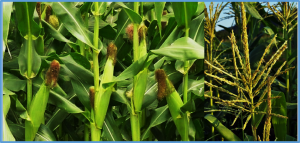
Genome-wide association studies (GWAS) have emerged as a powerful tool for unraveling intricate genotype-phenotype association across various species. Maize (Zea mays L.), renowned for its extensive genetic diversity and rapid linkage disequilibrium (LD), stands as an exemplary candidate for GWAS. In maize, GWAS has made significant advancements by pinpointing numerous genetic loci and potential genes associated with complex traits, including responses to both abiotic and biotic stress
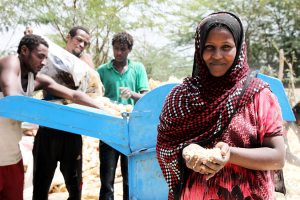
The Food and Agriculture Organization of the United Nations (FAO) and Mars, Incorporated are setting out a path to expand their existing cooperation on strengthening food safety, supporting One Health and enhancing the FAO Hand-in-Hand Initiative. Maximo Torero, FAO’s Chief-Economist, and Dr Abigail Stevenson, Chief Science Officer for Mars signed a Memorandum of Understanding (MoU) to promote better understanding and application of Codex Alimentarius international food safety standards.
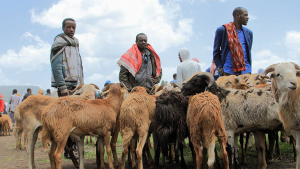
In Ethiopia, an innovative and easy-to-use digital tool (DTREO) has helped Community-Based Breeding Programs (CBBPs) transform the lives of thousands of goat and sheep breeders through data collection that supports more informed decisions on selecting superior males for breeding and access to new market opportunities. DTREO is now being introduced and pilot-tested by ICARDA to establish and optimize management as well as sheep and goat breeding programs in Jordan, Tunisia, and Mali.
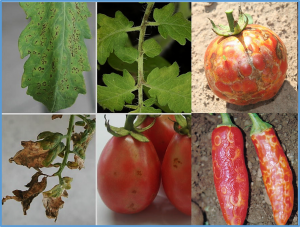
Tomato necrotic ringspot virus (TNRV) was first reported in Thailand in 2011, where it continues to reduce the yield and quality of pepper and tomato crops. Here, we report the complete genome sequence of TNRV isolate chilli-CR derived from next-generation sequencing. The TNRV genome comprises 16,595 nucleotides (nt) on three RNA segments. The L RNA is 8,858 nt, the M RNA is 4,724 nt, and the S RNA is 3,013 nt in length.