


News & Events
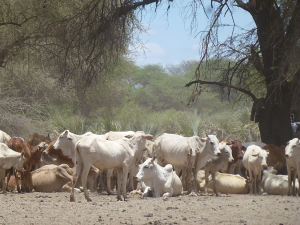
The interconnection between the health of people, animals, plants and their shared environment is becoming more evident as endemic, emerging and re-emerging infectious diseases increase in prevalence. One Health, which is a cross-sectoral approach, is key to the mitigation of these challenges, which include antimicrobial resistance and zoonoses such as avian influenza, Ebola, Marburg and COVID-19.
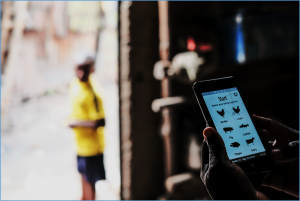
On 28 March 2024, stakeholders from seven countries across Asia and Africa attended a webinar exploring the transformative impact of digital innovations on agrifood systems. Hosted by the International Livestock Research Institute (ILRI), the webinar titled Digital innovations to support equitable, sustainable, and resilient agrifood systems and last mile delivery showcased a variety of digital solutions aimed at fostering equity, sustainability and resilience within the agricultural sector.
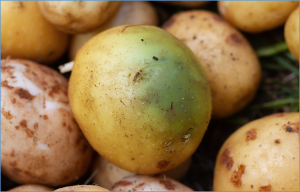
Potatoes produce two major steroidal glycoalkoids α-solanine and α-chaconine that comprise about 95% of all the glycoalkaloids in the potatoes. Under the stressful conditions production of glycoalkaloids get amplified that can lead to toxic symptoms in humans, particularly when taken in excess of 200–400 mg in adults and 20–40 mg in children. Toxicity may lead number of neuro-metabolic disorders due to anticholinesterase activity and also cause cell membrane disturbance ultimately affecting the digestion and metabolism.
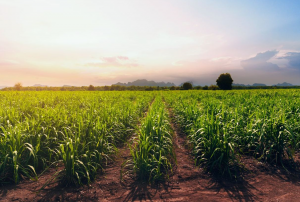
Researchers from the National Key Laboratory for Biological Breeding of Tropical Crops and Sugarcane Research Institute in Yunnan, China, reviewed the gene editing techniques used in sugarcane and cultivated grasses and identified if they can also be used for non-cultivated grasses. Climate change has negative effects on plants, such as crops and grasses.
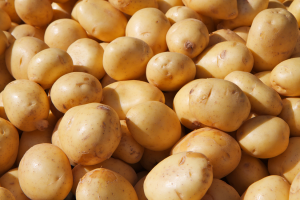
A study published in Biocatalysis and Agricultural Biotechnology shows that suppressing the solanidine galactosyltransferase (sgt1) gene in potatoes resulted in low levels of α-solanine without any changes in α-chaconine levels. Potatoes naturally produce two major steroidal glycoalkaloids called α-solanine and α-chaconine, which may cause toxic symptoms in humans when consumed in large amounts.
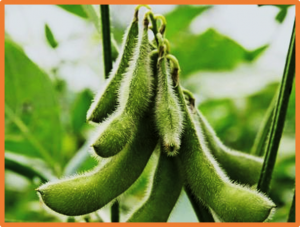
Branch number is a key yield-related quantitative trait that directly afects the number of pods and seeds per soybean plant. In this study, an integrated approach with a genome-wide association study (GWAS) and haplotype and candidate gene analyses was used to determine the detailed genetic basis of branch number across a diverse set of soybean accessions. The GWAS revealed a total of eleven SNPs signifcantly associated with branch number across three environments using the fve GWAS models.

TALENs is one of the powerful tools developed for gene editing. It is an engineered endonuclease composed of a programmable, sequence-specific DNA-binding domain to a nonspecific DNA cleavage domain. Because of this tool's ability to efficiently and rapidly modify genomes, it has been a popular option for biological research. One of the promising uses of TALENs is to help produce plant metabolites that supplement or substitute conventional anti-diabetic drug therapy targeting the modifications at the molecular level.

In a report published on March 21, 2024, the Superior Health Council concluded that New Genomic Techniques (NGTs), which allow targeted and rapid modifications to the genome of plants, can contribute to a “climate-robust, sustainable agricultural production,” leading to higher yields. The report highlighted that gene editing methods align with the EU's environmental ambitions, including a target to achieve a 50% reduction in pesticide use by 2030, as they can make crops more resistant to pests and diseases.
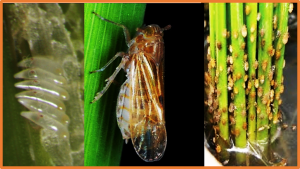
Nilaparvata lugens (brown planthopper; BPH) is a significant rice pest in Asia, causing substantial yield losses. Pyramiding BPH resistance genes with diverse resistance traits into rice cultivars is an effective strategy for pest management. However, the response of pyramiding combinations to environmental changes remains unclear. To address this knowledge gap, we investigated three pyramiding rice lines (BPH2 + 32, BPH9 + 32, and BPH18 + 32) in the context of varying climate change conditions, ensuring sufficient N. lugens-rice interactions.

Researchers from Princeton University developed a language model that analyzes the untranslated portion of mRNA to improve vaccine development. Their research may be used to protect people against infectious diseases and cancers. Messenger RNA (mRNA) converts genetic information into proteins. However, only a portion of it is translated and the untranslated parts regulate significant aspects of the process and affect the protein expression level. By studying the untranslated region, researchers may optimize efficiency and enhance vaccines.
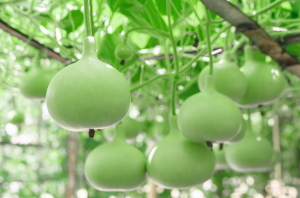
A team of researchers from the Boyce Thompson Institute (BTI) and the United States Department of Agriculture (USDA) has uncovered new details about the origins and spread of the bottle gourd, one of the oldest domesticated crops. This research unveils the genetic diversification and population history of this hard-shelled plant used to make bottles, instruments, and containers for over 10,000 years by ancient civilizations.
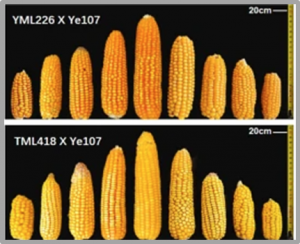
Maize ear length has garnered considerable attention due to its high correlation with yield. In this study, six maize inbred lines of significant importance in maize breeding were used as parents. The temperate maize inbred line Ye107, characterized by a short ear, was crossed with five tropical or subtropical inbred lines featuring longer ears, creating a multi-parent population displaying significant variations in ear length. Through genome-wide association studies and mutation analysis, the A/G variation at SNP_183573532 on chromosome 3 was identified as an effective site for discriminating long-ear maize. Furthermore, the associated gene Zm00001d042906 was found to correlate with maize ear length.