


News & Events

The French Agency for Food, Environmental and Occupational Health & Safety openly challenged the main elements of the Commission's 2023 draft legislation on plants edited with New Genomic Techniques (NGTs) in two opinions published in November 2023 and March 2024. The opinions criticized the Commission's criteria for categorizing NGTs, suggesting a case-by-case risk assessment approach.

A study published in the Plant Biotechnology Journal shows that the gene editing of SlEIN4AA through CRISPR-Cas9 significantly speeds up fruit ripening and increases fruit firmness, which prolongs the shelf life of the fruits. Tomatoes face significant harvest losses due to declining fruit firmness during post-harvest. The researchers pinpoint the ethylene receptor gene SlEIN4 as a crucial gene influencing tomato fruit development and firmness.
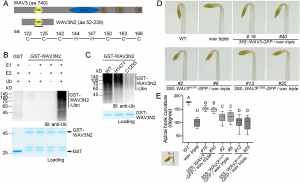
Auxin regulates plant growth and development through downstream signaling pathways, including the best-known SCFTIR1/AFB-Aux/IAA-ARF pathway and several other less characterized “noncanonical” pathways. Recently, one SCFTIR1/AFB-independent noncanonical pathway, mediated by Transmembrane Kinase 1 (TMK1), was discovered through the analyses of its functions in Arabidopsis apical hook development.
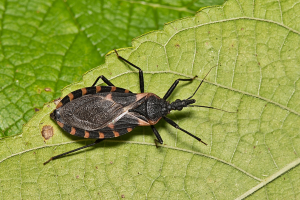
A study published in The CRISPR Journal shows that gene editing of kissing bugs, a primary vector for Chagas disease, is made possible through CRISPR-Cas9 technology for the first time. This milestone opens up new strategies and opportunities to mitigate Chagas disease. Chagas disease is a significant public health concern, affecting millions of lives in America, particularly in Central and South America.

Researchers developed a new method to label proteins simultaneously. This technique may have various applications in cell biology and drug discovery. Observation of proteins is essential for different branches of research. Tracking the location of proteins within the cell is necessary to understand and explore their functions. However, this is challenging since the fluorescent labeling must be attached individually to every protein.
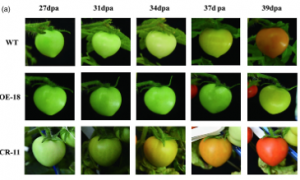
Tomato (Solanum lycopersicum) stands as one of the most valuable vegetable crops globally, and fruit firmness significantly impacts storage and transportation. To identify genes governing tomato firmness, we scrutinized the firmness of 266 accessions from core collections. Our study pinpointed an ethylene receptor gene, SlEIN4, located on chromosome 4 through a genome-wide association study (GWAS) of fruit firmness in the 266 tomato core accessions. A single-nucleotide polymorphism (SNP) (A → G) of SlEIN4 distinguished lower (AA) and higher (GG) fruit firmness genotypes.
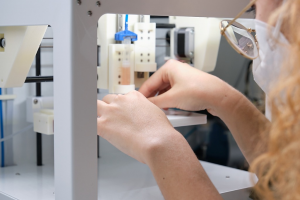
An Indian researcher reviewed the different applications of 3D printing and bioprinting for the treatment of diabetes. The research may be helpful in the health industry. Diabetes is a disease characterized by elevated blood sugar levels. The disorder can cause health complications, such as nerve damage, chronic kidney disease, and heart disease. However, early and appropriate treatment will help manage diabetes and avoid these complications.

The integration of genetically modified (GM) crops into agricultural systems necessitates a comprehensive understanding of public perceptions, legal structures, and ethical challenges. In Africa, only a few of the 54 African countries have approved the cultivation of GM crops. To provide an in-depth understanding of the benefits and difficulties associated with the adoption of GM crops, a review published in GM Crops & Food provides significant insights into the current state of GM crop adoption in Africa.

The single-stranded positive-sense RNA virus Broad bean wilt virus 2 (BBWV2) causes substantial damage to pepper (Capsicum annuum) cultivation. Here, we describe mapping the BBWV2 resistance locus bwvr using a F7:8 recombinant inbred line (RIL) population constructed by crossing the BBWV2-resistant pepper accession ‘SNU-C’ with the susceptible pepper accession ‘ECW30R.’ All F1 plants infected with the BBWV2 strain PAP1 were susceptible to the virus, and the RIL population showed a 1:1 ratio of resistance to susceptibility, indicating that this trait is controlled by a single recessive gene.
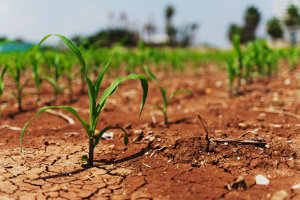
Researchers from the University of Saskatchewan and University of Victoria in Canada analyzed and evaluated peer-reviewed research on the contribution of crop biotechnology to climate change mitigation and adaptation. Their findings, published in GM Crops and Food, with principal author Stuart J. Smyth, focus on genetically modified (GM) traits in major crops and the resulting changes in farming practices. The study concludes that GM crops offer benefits for climate change mitigation.

The U.S. Department of Agriculture's (USDA) Animal and Plant Health Inspection Service (APHIS) has released their review of four plants modified using genetic engineering to determine whether they posed an increased plant pest risk as relative to non-modified comparators. APHIS found that these modified plants were unlikely to pose an increased plant pest risk compared to other cultivated plants and were not subject to regulation under 7 CFR part 340 and may be safely grown and bred in the United States.
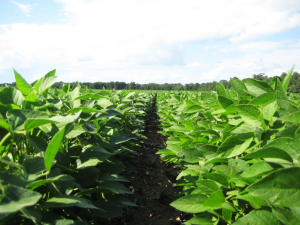
Photosynthesis is one of the main factors determining crop yield. A better understanding of the genetic architecture for photosynthesis is of great significance for soybean yield improvement. Our previous studies identified 5,410,112 single nucleotide polymorphisms (SNPs) from the resequencing data of 219 natural soybean accessions. Here, we identified 634,106 insertions and deletions (InDels) from these 219 accessions and used these InDel variations to perform principal component and linkage disequilibrium analysis of this population.