


News & Events
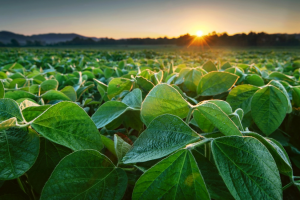
“What can be done to increase acceptance of safe and nutritious foods as the population increases, land for cultivation is reduced and energy costs soar?” Dr. Richard Goodman, food allergens expert and Emeritus Professor at the University of Nebraska-Lincoln poses this question in his review article published in GM Crops & Food. The review article summarizes the positive impacts of GM crops since their introduction in 1995
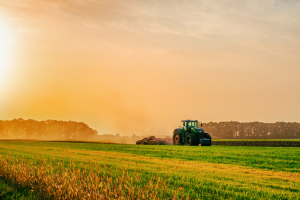
A paper published in the Journal of Biotechnology highlights the need for combined organic farming techniques and modern biotechnology to meet increasing global food demands. The paper suggests neither method can address future food production challenges in isolation. Researchers from the University of Agricultural Sciences and Technology of Kashmir and the University of Oxford say that the way forward for a greener future is through the modernization of genetically modified (GM) agriculture.

Sustainable farming on ever-shrinking agricultural land and declining water resources for the growing human population is one of the greatest environmental and food security challenges of the 21st century. Conventional, age-old organic farming practices alone, and foods based on costly cellular agriculture, do not have the potential to be upscaled to meet the food supply challenges for feeding large populations.
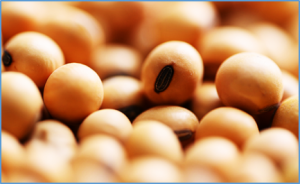
The U.S. Department of Agriculture Animal and Plant Health Inspection Service (USDA APHIS) has granted Amfora, Inc. an exemption for its gene-edited, ultra-high protein soybeans. Amfora's gene-edited soybeans are not subject to the regulations in 7 CFR Part 340 and can be marketed without undergoing further review by the USDA.
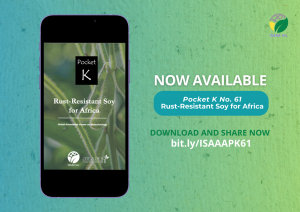
ISAAA Inc., in partnership with 2Blades, released a Pocket K titled Rust-Resistant Soy for Africa, which is now available for free download from the ISAAA website. This publication provides bite-sized information about the transgenic soybean developed by 2Blades scientists to help address Asian soybean rust disease in Africa, particularly in Kenya.

The B-box (BBX) gene family includes zinc finger protein transcription factors that regulate a multitude of physiological and developmental processes in plants. While BBX gene families have been previously determined in various plants, the members and roles of peanut BBXs are largely unknown. In this research, on the basis of the genome-wide identification of BBXs in three peanut species (Arachis hypogaea, A. duranensis, and A. ipaensis), we investigated the expression profile of the BBXs in various tissues and in response to salt and drought stresses and selected AhBBX6 for functional characterization.
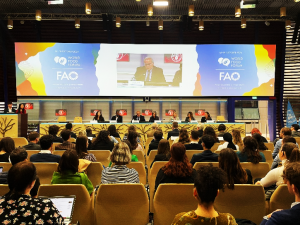
Details surrounding the World Food Forum (WFF) 2024 including this year’s theme: “Good food for all, for today and tomorrow” were unveiled at an event at the headquarters of the Food and Agriculture Organization of the United Nations (FAO). In 2024 the WFF’s year-long activities will culminate in a flagship event to be held on 14– 18 October. This will include sessions dedicated to Global Youth Action, Science and Innovation and Hand-in-Hand Investment. In addition, WFF 2024 will spotlight the Mid-term Forum of the UN Decade of Family Farming,

The Food and Agriculture Organization of the United Nations (FAO) and the City of Rome (Roma Capitale) has further extended the Global Library of Trees and Flowers - FAO Park, by allowing visitors - the location is nestled in one of the Italian capital’s largest public parks, Villa Doria Pamphili - to follow an educational itinerary through a mobile application. Thanks to the FAO Park web app, which was inaugurated at a ceremony held today, it is possible to access interesting news and information about the various tree species located in the seven areas of the park,
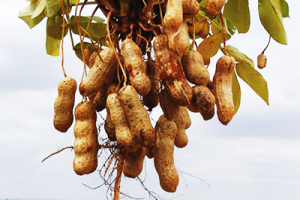
Peanut is an important cash crop used in oil, food and feed in our country. The rapid development of sequencing technology has promoted the research on the related aspects of peanut genetic breeding. This paper reviews the research progress of peanut origin and evolution, genetic breeding, molecular markers and their applications, genomics, QTL mapping and genome selection techniques. The main problems of molecular genetic breeding in peanut research worldwide include: the narrow genetic resources of cultivated species, unstable genetic transformation and unclear molecular mechanism of important agronomic traits.
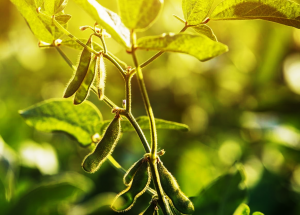
Chinese scientists used genetic engineering to produce soybeans that have a high level of herbicide resistance. Soybean is an essential crop due to its oil and proteins. However, its cultivation is affected by weeds. Farmers use herbicides to remove the weeds, which may affect the soybeans. Because of this, herbicide-tolerant varieties are necessary in agriculture. Previous studies discussed the applications of Cas9 base editor systems on soybean but there have been no previous research about Cas12 base editor systems.
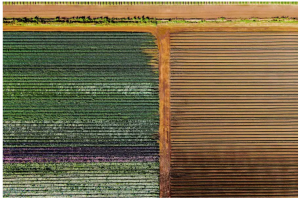
Boosting the blue pigments in plants through gene editing could make weeding easier. This is according to the article authored by Pedro Correia and other researchers from the University of Copenhagen in Denmark published in Trends in Plant Science. Climate change rapidly impacts crops, thus the need for various ways to improve the tolerance of plants to stressors, such as weeds. This led the researchers to explore on adding signature traits to crops to be easily recognized by remote sensing.
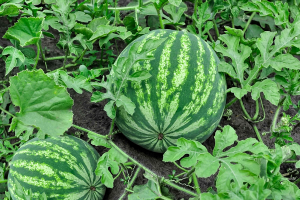
Trichomes, which are differentiated from epidermal cells, are special accessory structures that cover the above-ground organs of plants and possibly contribute to biotic and abiotic stress resistance. Here, a bulked segregant analysis (BSA) of an F2 population with significant variations in trichome length was undertaken. A 1.84-Mb candidate region on chromosome 10 was associated with trichome length. Resequencing and fine-mapping analyses indicated that a 12-kb structural variation in the promoter of Cla97C10G203450 (ClLOG) led to a significant expression difference in this gene in watermelon lines with different trichome lengths.