


News & Events
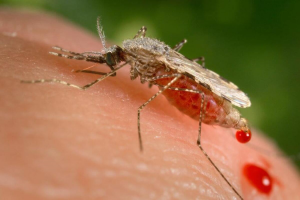
On May 23, the Government of Djibouti launched the pilot release of Oxitec's Friendly™ Anopheles stephensi mosquitoes, the first time a genetically modified (GM) mosquito has been released in East Africa. This ground-breaking initiative marks a crucial step in mitigating the increasing number of malaria cases in the region. The Djibouti Friendly™ Mosquito Program is a public-private partnership between Djibouti's National Malaria Control Program, the public health not-for-profit Association Mutualis, and Oxitec Ltd.
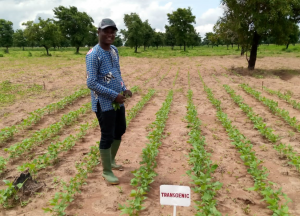
Ghana's Human Rights Court has dismissed a lawsuit challenging the introduction of genetically modified (GM) products into the country putting to an end a nine-year bruising court battle between the country's National Biosafety Authority and civil society groups. The landmark decision hands the country a huge victory in its bid to deliver Maruca pod borer (PBR) resistant Bt cowpea to farmers.
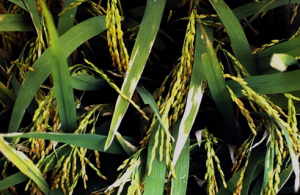
In this study, we compared the APA profile of leaf blight-susceptible varieties (CT 9737-613P-M) and resistant varieties (NSIC RC154) following bacterial blight infection. Through gene enrichment analysis, we found that the genes of two varieties typically exhibited distal poly(A) (PA) sites that play different roles in two kinds of rice, indicating differential APA regulatory mechanisms
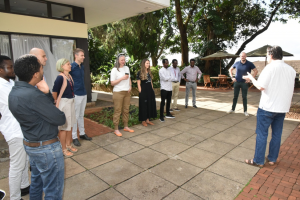
CGIAR, the world’s largest publicly funded agricultural research network, has developed many innovative solutions for the developing world’s smallholder farmers. While CGIAR excels at developing agricultural innovations, bridging gaps between innovative solutions and widespread impact remains a challenge. Scaling innovations for smallholder farmers faces various challenges including 1) how to align innovation demand and supply,
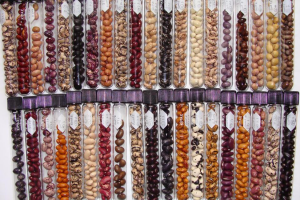
2024 is a landmark year for biodiversity. In the leadup to COP16 in Cali, we are called to find solutions to protect and sustainably use agrobiodiversity. Crop conservation begins with seeds. Around the globe, researchers and farming communities are collaborating to collect, save, and share seeds: in seedbanks and genebanks. Below, we invite you to explore case studies from around the globe of efforts to save and sustainably use agrobiodiversity.
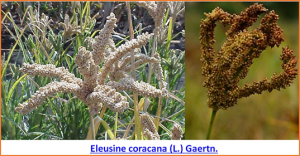
Climate change and population growth pose challenges to food security. Major crops such as maize, wheat, and rice are expected to face yield reductions due to warming in the coming years, highlighting the need for incorporating climate-resilient crops in agricultural production systems. Finger millet (Eleusine coracana (L.) Gaertn) is a nutritious cereal crop adapted to arid regions that could serve as an alternative crop for sustaining the food supply in low rainfall environments where other crops routinely fail.
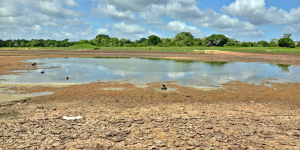
The all-encompassing nature of the climate crisis means that it is deeply connected to water, energy, food, and ecosystems (WEFE). But how can decision makers use these connections to support climate mitigation and adaptation goals and sustainable development initiatives? This was the urgent question at the heart of the latest webinar from the CGIAR Initiative on NEXUS Gains, held on Wednesday May 15, 2024.
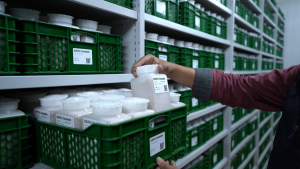
The International Day of Biological Diversity 2024,’ themed “Be part of the plan”, reflects how ICARDA’s genebanks are bio-digital resource centers where useful traits within plant genetic resources are selected according to predictions of their performance. Genebanks around the world conserve precious and unique samples of the natural biodiversity that are vital for developing crops that can withstand tomorrow’s climate impacts
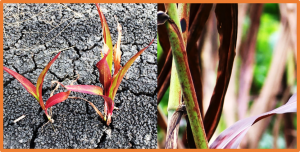
The purple leaf sheath of sorghum, a trait mostly related to anthocyanin deposition, is a visually distinguishable morphological marker widely used to evaluate the purity of crop hybrids. We aimed to dissect the genetic mechanism for leaf sheath color to mine the genes regulating this trait. In this study, two F2 populations were constructed by crossing a purple leaf sheath inbred line (Gaoliangzhe) with two green leaf sheath inbred lines (BTx623 and Silimei).

Women’s vital roles in the tea industry and how to overcome the challenges they face was the theme of today' s celebration for the 2024 International Tea Day hosted by the Food and Agriculture Organization of the United Nations (FAO). “Women play a crucial role in the tea industry, substantially contributing to its sustainability, productivity and community development," FAO Director-General QU Dongyu said in opening remarks at the celebration. “Their contributions underpin the industry's economic viability, social fabric, and sustainable development.”

QU Dongyu, the Director-General of the Food and Agriculture Organization of the United Nations (FAO) today welcomed the decision to award the King Hassan II of Morocco Great World Water Prize to the organization at the 10th World Water Forum, held in Bali. Based on the theme “Securing water resources for food sovereignty and shared prosperity,” the award recognizes outstanding efforts in the protection, preservation, and sustainable management of water resources.
Reproductive phasiRNAs (phased, small interfering RNAs) are broadly present in angiosperms and play crucial roles in sustaining male fertility. While the premeiotic 21-nt (nucleotides) phasiRNAs and meiotic 24-nt phasiRNA pathways have been extensively studied in maize (Zea mays) and rice (Oryza sativa), a third putative category of reproductive phasiRNAs–named premeiotic 24-nt phasiRNAs–have recently been reported in barley (Hordeum vulgare) and wheat (Triticum aestivum).