


News & Events

Researchers from Chandigarh University in India and partners reviewed how gene editing was used for targeted modifications in rice. Their study demonstrated the potential of gene editing to contribute to sustainable agriculture and food security. Rice is a staple food in many countries around the world. However, its production is threatened by different pathogens and pests, which makes it a necessity to produce resilient crop varieties. Gene editing technologies provide precise and efficient tools to develop new varieties of rice.

The Philippine Department of Agriculture – Bureau of Plant Industry (DA-BPI) released a Certificate of Non-coverage from JDC No. 01 s.2021 for gene-edited high GABA Silician Rouge Tomato developed by Japan-based Sanatech Seed Co., LTD. High GABA tomato was first released by Sanatech in Japan in 2021. It was developed using CRISPR-Cas9 technology to contain high levels of gamma-aminobutyric acid (GABA), an amino acid that helps lower blood pressure. The gene-edited tomato has four to five times more GABA than conventional tomato varieties.
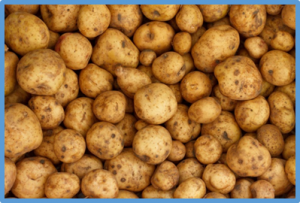
Candidatus Liberibacter solanacearum (CLso) is a phloem-limited, fastidious bacterium associated with the potato (Solanum tuberosum) zebra chip disease. It is transmitted by the potato psyllid (Bactericera cockerelli Šulc.) and causes significant economic losses globally (Mora et al., 2021). Developing disease resistance by conventional breeding has shown limited success (Mora et al., 2022), thus necessitating new genetic engineering or genome editing approaches.

In May 2024, the U.S. Food and Drug Administration (FDA) Center for Veterinary Medicine (CVM) released Guidance for Industry (GFI) #187A “Heritable Intentional Genomic Alterations in Animals: Risk Based Approach” and draft GFI #187B “Heritable Intentional Genomic Alterations in Animals: The Approval Process” to clarify requirements and recommendations for developers of intentional genomic alterations (IGAs) in animals.
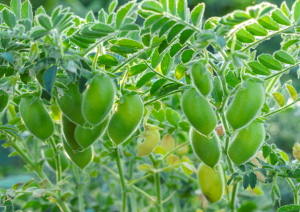
A collaborative study conducted by scientists from the International Crops Research for the Semi-Arid Tropics (ICRISAT), The University of Western Australia (UWA), and Murdoch University finds that wild species of chickpea have greater genetic diversity and variations. The study reveals the potential of using wild relatives to improve chickpeas.
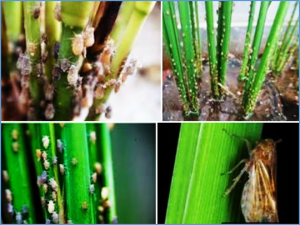
The brown planthopper (BPH) is the most destructive insect pest that threatens rice production globally. Developing rice varieties incorporating BPH-resistant genes has proven to be an effective control measure against BPH. In this study, we assessed the resistance of a core collection consisting of 502 rice germplasms by evaluating resistance scores, weight gain rates and honeydew excretions. A total of 117 rice varieties (23.31%) exhibited resistance to BPH. Genome-wide association studies (GWAS) were performed on both the entire panel of 502 rice varieties and its subspecies, and 6 loci were significantly associated with resistance scores (P value < 1.0e-8).

Researchers from the University of Würzburg have identified how XPD protein examines and handles the repair of DNA damage. Their findings offer the basis for innovative ways to treat different kinds of cancer. The body of humans has a nucleotide excision repair (NER), which detects damaged DNA and works with other repair proteins to remove and replace defective areas. A central component of NER is the XPD protein that identifies and repairs severe forms of DNA damage, such as interstrand crosslinking that can cause cancer.

Researchers at the University of Nottingham produced a novel method to study the atomic-level structure of RNA. The team also used the technique to analyze RNA structural changes in HIV-infected cells.The molecular interactions, biological functions, and chemical reactions of RNA are affected by its 3D structure. However, many RNAs and their protein complexes are hard to study due to their complicated structures and dynamic interactions.
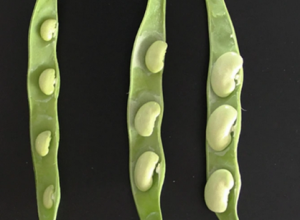
Common beans show wide seed variations in shape, size, water uptake, and coat proportion. This study aimed to identify consistent genomic regions and candidate genes involved in the genetic control of seed traits by combining association and differential expression analyses. In total, 298 lines from the Spanish Diversity Panel were genotyped with 4,658 SNP and phenotyped for seven seed traits in three seasons. Thirty-eight significant SNP-trait associations were detected, which were grouped into 23 QTL genomic regions with 1,605 predicted genes.

ASCA7 targets to equip Asian scientists, regulators, and other stakeholders with the knowledge and skills to navigate the complexities of agri-biotech. The program focuses on three key areas: agri-biotech applications, policy environment, and biotech communication. This comprehensive approach empowers participants to contribute towards implementation of science-based regulations that support the commercialization and trade of agri-biotech products.

The Committee on Genetic Modification of the Netherlands (COGEM) has released its advice on the renewal of the authorization for import, distribution, and retail of cut flowers of two genetically modified (GM) carnations. The applications were filed by Suntory Flowers Ltd. for GM carnations IFD-25958-3 (Florigene®Moonberry™) and IFD-26407-2 (Florigene®Moonvelvet™). Moonberry™ suppresses its endogenous dfr and expresses the petunia dfr and viola flavonoid F3'5'H (viola), enzymes involved in the production of flower pigments.
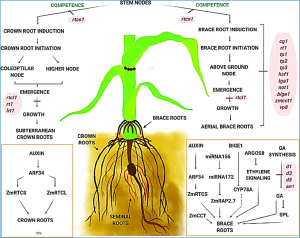
Plant root systems play a pivotal role in plant physiology and exhibit diverse phenotypic traits. Understanding the genetic mechanisms governing root growth and development in model plants like maize is crucial for enhancing crop resilience to drought and nutrient limitations. This study focused on identifying and characterizing ZmPILS6, an annotated auxin efflux carrier, as a key regulator of various crown root traits in maize.