


News & Events
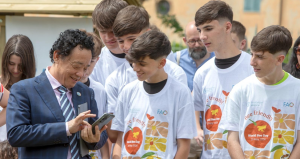
Marking World Bee Day 2024, the Director-General of the Food and Agriculture Organization (FAO) QU Dongyu today urged young people to learn more about bees and pollinators, including traditional and high-tech beekeeping, and thus help to safeguard the vital role these small creatures play in agriculture, ecological balance, and biodiversity preservation. Qu made the remarks at a World Bee Day 2024 celebration held at the Italian Presidential Estate in Castelporziano, Rome, with the participation of the President of APIMONDIA, the International Federation of Beekeepers' Associations, Jeff Pettis.
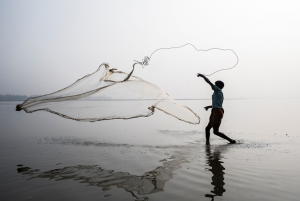
From bees to earthworms, from coral reefs to rain forests - biodiversity helps to ensure our food diversity and must be key to transforming our food production systems, the Food and Agriculture Organization of the United Nations underlined today. As it marked International Day for Biological Diversity, FAO launched its updated action plan for Mainstreaming Biodiversity Across Agricultural Sectors and prepared to embark on several new biodiversity-related initiatives.
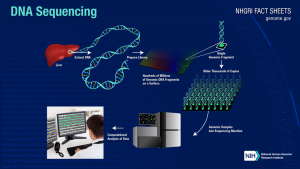
A technique for chromosomal insertion of large DNA segments is much needed in plant breeding and synthetic biology to facilitate the introduction of desired agronomic traits and signaling and metabolic pathways. Here we describe PrimeRoot, a genome editing approach to generate targeted precise large DNA insertions in plants. Third-generation PrimeRoot editors employ optimized prime editing guide RNA designs, an enhanced plant prime editor and superior recombinases to enable precise large DNA insertions of up to 11.1 kilobases into plant genomes.
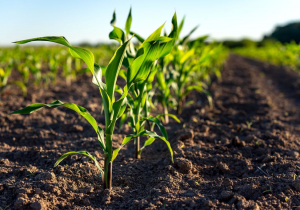
Researchers from University of California Riverside discovered that membrane-free organelles help plants identify shades of light and sense temperature. Future studies may involve controlling where the organelles form to help plants adjust to climate change. Membrane-bound compartments or organelles have been heavily studied by scientists. However, there is limited research on membrane-free organelles, such as photobodies, which help plants sense light and temperature
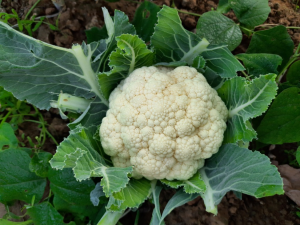
Researchers from Tianjin Academy of Agricultural Sciences and partners conducted a genetic analysis of cauliflower to analyze its evolutionary history. Their study may help in cauliflower breeding programs to produce varieties with enhanced nutrition and reduced use of water or fertilizer. Cauliflower is a nutrient-rich vegetable that is grown around the globe. This crop has hundreds of varieties, about 80 of which are in North America. However, there is limited research on the genomic bases of cauliflower's selective breeding.
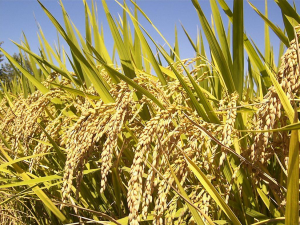
Decreased production of crops due to climate change has been predicted scientifically. While climate-resilient crops are necessary to ensure food security and support sustainable agriculture, predicting crop growth under future global warming is challenging. Therefore, we aimed to assess the impact of realistic global warming conditions on rice cultivation. We developed a crop evaluation platform, the agro-environment (AE) emulator, which generates diverse environments by implementing the complexity of natural environmental fluctuations in customized, fully artificial lighting growth chambers.
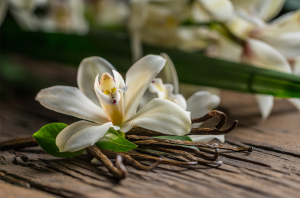
Professor Toshiki Furuya from Tokyo University of Science (TUS) and his graduate students Shizuka Fujimaki and Satsuki Sakamoto have successfully developed an enzyme that generates vanillin from plant-derived ferulic acid using genetic engineering approaches. Globally, vanilla extract is a widely used flavoring compound in food products and cosmetics. The pleasant and sweet smell of this classic flavor comes from the chemical compound vanillin found in the seed pods of vanilla plants belonging to the orchid family.
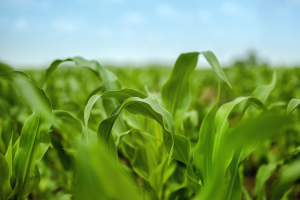
Following the joint submission of dossier GMFF-2022-9170 under Regulation (EC) No 1829/2003 from Bayer Agriculture B.V. and Corteva Agriscience Belgium B.V., the GMO Panel assessed the data submitted for the renewal application, including post-market environmental monitoring reports, an evaluation of the literature retrieved by a scoping review, a search for additional studies performed by or on behalf of the applicant and updated bioinformatics analyses.
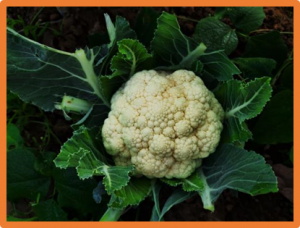
Cauliflower (Brassica oleracea L. var. botrytis) is a distinctive vegetable that supplies a nutrient-rich edible inflorescence meristem for the human diet. However, the genomic bases of its selective breeding have not been studied extensively. Herein, we present a high-quality reference genome assembly C-8 (V2) and a comprehensive genomic variation map consisting of 971 diverse accessions of cauliflower and its relatives.
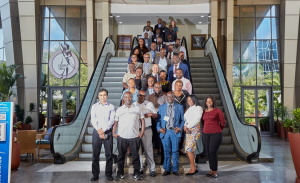
Misinformation and poor public perceptions about modern biotechnology could derail Africa's bid to tap into the potential of genome editing to increase agricultural productivity in the face of climate change. This emerged during a biotechnology workshop for Zambian biotech scientists and regulators co-organized by the International Institute of Tropical Agriculture (IITA), the University of California-Davis, AUDA-NEPAD, and ISAAA AfriCenter. The workshop was held in Lusaka from May 13-15, 2024.

ASCA7 targets to equip Asian scientists, regulators, and other stakeholders with the knowledge and skills to navigate the complexities of agri-biotech. The program focuses on three key areas: agri-biotech applications, policy environment, and biotech communication. This comprehensive approach empowers participants to contribute towards implementation of science-based regulations that support the commercialization and trade of agri-biotech products.
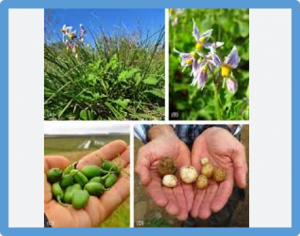
The potato cyst nematodes (PCN) Globodera pallida and Globodera rostochiensis are economically important potato pests in almost all regions where potato is grown. One important management strategy involves deployment through introgression breeding into modern cultivars of new sources of naturally occurring resistance from wild potato species. We describe a new source of resistance to G. pallida from wild potato germplasm.