


News & Events
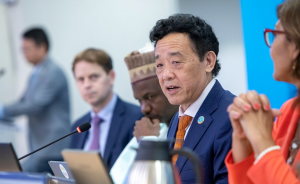
The Global Soil Partnership, bringing together hundreds of diverse actors focused on improving the health of our soils to promote healthier and more resilient agrifood systems, opened a key meeting today with a call for urgent action to meet its objectives amid a range of complex crises. Hosted by the Food and Agriculture Organization of the United Nations (FAO) and including FAO Members and over 700 partners,
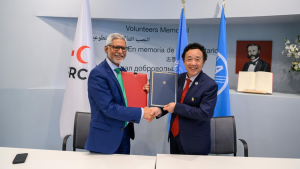
On the occasion of his trip to Geneva for the World Summit on the Information Society (WSIS) and the Conference on AI for Good, FAO Director-General QU Dongyu signed Memorandum of Understandings with the International Federation of Red Cross and Red Crescent Societies (IFRC), the International Labour Organization (ILO) and the World Meteorological Organization (WMO).
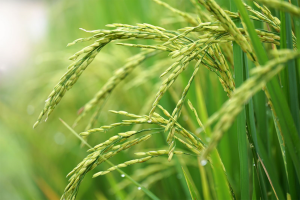
Salinity stress is an environmental constraint that normally develops concurrently under field conditions, resulting in drastic limitation of rice plant growth and grain productivity. The objective of this study was to explore the alleviating effects of NaCl pre-treatment on rice seedlings as well as the salt tolerance mechanisms by evaluating morph-physiological traits.
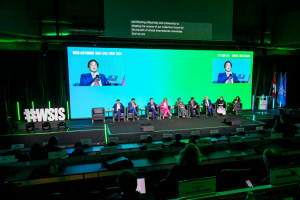
The United Nations has a key catalytic role to play in leveraging the power of digital technologies, which is of utter importance particularly in rural areas, for the achievement of the Sustainable Development Goals (SDGs), the Director-General of the Food and Agriculture Organization of the United Nations (FAO) QU Dongyu said today. He addressed a High-Level United Nations Dialogue on the Progress and Future of Digital Cooperation.
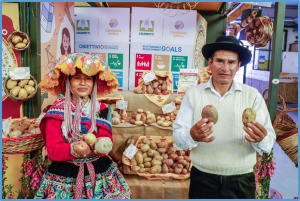
Eaten by over one billion people, the potato is the third most available food crop globally – after rice and wheat, making it a crucial staple. And today for the first time, it was celebrated with its very own International Day, as the Food and Agriculture Organization of the United Nations (FAO) and partners highlighted the potato’s significance and called for more investments to tap into its full potential.
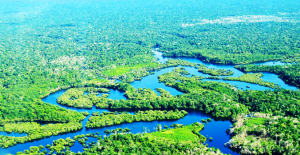
Dynamic ecosystems, such as the Amazon forest, are expected to show critical slowing down behavior, or slower recovery from recurrent small perturbations, as they approach an ecological threshold to a different ecosystem state. Drought occurrences are becoming more prevalent across the Amazon, with known negative effects on forest health and functioning, but their actual role in the critical slowing down patterns still remains elusive.
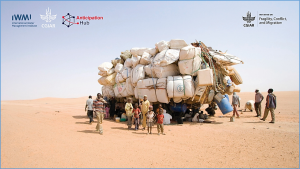
As we navigate the complexity of Fragile and Conflicted-Affected Settings (FCASs), it has become increasingly evident that moving beyond immediate emergency relief is essential for promoting long-term resilience and sustainability. As a result, Anticipatory Actions (AAs) are recognized more and more as essential tools for mitigating risks and building resilience. However, implementing AAs in FCASs is not straightforward.
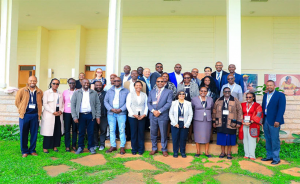
In a concerted effort to advance agricultural biotechnology in Africa, IITA, the University of California-Davis, and the African Union Development Agency-NEPAD (AUDA-NEPAD) recently organized two pivotal workshops on biotechnology in Kenya from 8 to 10 May and Zambia from 13 to 15 May. IITA Director for Eastern Africa Hub and Biotechnology Leader Leena Tripathi stated, “Biotechnology holds the key to sustainable agriculture in Africa,
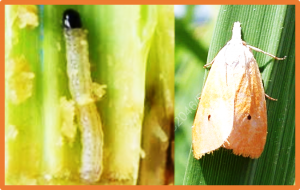
Yellow Stem Borer (YSB), Scirpophaga incertulas (Walker) (Lepidoptera: Crambidae), is a major pest of rice, that can lead to 20–60% loss in rice production. Effective management of YSB infestation is challenged by the non-availability of adequate sources of resistance and poor understanding of resistance mechanisms, thus necessitating studies for generating resources to breed YSB resistant rice and to understand rice-YSB interaction

The Belgian presidency presented a new compromise text aiming to break the stalemate on the regulation and loosen the requirements for genetically modified organisms (GMOs) and for plants created with specific genome editing techniques (NGTs). Despite the new compromise text, national experts of the European Union could not find an agreement.
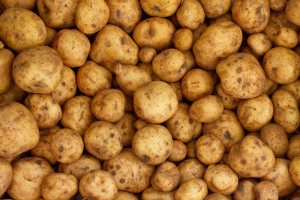
A study published in the Plant Biotechnology Journal shows that the genome editing of NPR3 confers potato resistance to Candidatus Liberibacter solanacearum (CLso), a bacterium associated with zebra chip disease. The significant economic losses caused by the disease necessitate alternative approaches to develop resistance to the disease.
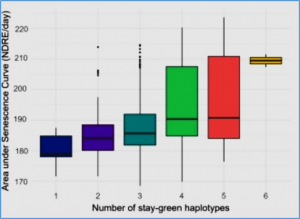
Barley is considered one of the most naturally resilient crops making it an excellent candidate to dissect the genetics of drought adaptive component traits. Stay-green, is thought to contribute to drought adaptation, in which the photosynthetic machinery is maintained for a longer period post-anthesis increasing the photosynthetic duration of the plant. In other cereal crops, including wheat, stay-green has been linked to increased yield under water-limited conditions.