


News & Events
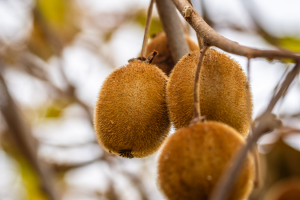
A study published in Plant, Cell & Environment revealed that NbPTR1a confers resistance against Pseudomonas syringae pv. actinidiae biovar 3 (Psa3) infection in kiwifruit. The findings of the study provide valuable insights into the development of Psa3-resistant kiwifruit through gene editing techniques. Pseudomonas syringae pv. actinidiae (Psa) is a bacterial pathogen that causes canker disease, a highly destructive disease affecting kiwifruit plants

Pairwise, a US-based company pioneering the application of CRISPR technology in food and agriculture, has developed the world's first seedless blackberry using the company's proprietary Fulcrum™ Platform, a complete suite of novel tools for CRISPR application in plants. The breakthrough is the first time seedlessness has been achieved in any caneberry. Ryan Bartlett, Pairwise Chief Technology Officer said their scientists used their deep knowledge of plant genetics
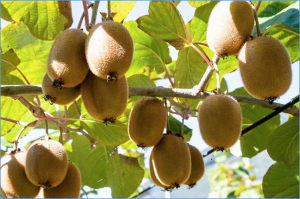
Pseudomonas syringae pv. actinidiae biovar 3 (Psa3) causes a devastating canker disease in yellow-fleshed kiwifruit (Actinidia chinensis). The effector HopZ5, which is present in all isolates of Psa3 causing global outbreaks of pandemic kiwifruit canker disease, triggers immunity in Nicotiana benthamiana and is not recognised in susceptible A. chinensis cultivars. In a search for N. benthamiana nonhost resistance genes against HopZ5
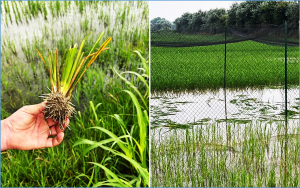
Euroseeds strongly condemns the destruction of Italy's first open field trial of a gene-edited rice variety by vandals on June 21, 2024, in northern Italy. The field trial, launched on May 13, 2024, was crucial for testing the resistance of the rice, named ‘RIS8imo,' against fungal diseases.RIS8imo, developed using CRISPR technology, aimed to reduce the need for fungicides through targeted mutations, with laboratory results showing promising disease resistance.
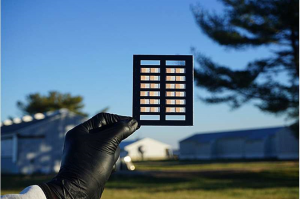
Scientists from Purdue University developed a biosensor that can detect fecal contamination on fresh produce farms. Their innovation aims to promote food safety in the agricultural industry. Farms that have nearby wildlife or animal operations are at risk of acquiring pathogens on their crops. When the plants are tested positive for pathogens, they are quickly discarded to ensure food safety. However, it is difficult to detect pathogens in trace amounts while adhering to regulatory requirements.
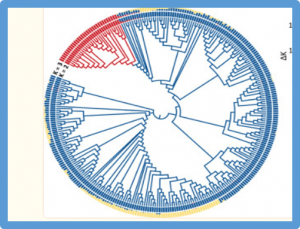
Rice blast is a destructive fungal disease affecting rice plants at various growth stages, significantly threatening global yield stability. Development of resistant rice cultivars stands as a practical means of disease control. Generally, association mapping with a diversity panel powerfully identifies new alleles controlling trait of interest. On the other hand, utilization of a breeding panel has its advantage that can be directly applied in a breeding program. In this study, we conducted a genome-wide association study (GWAS) for blast resistance using 296 commercial rice cultivars with low population structure but large phenotypic diversity.

ISAAA Inc., in partnership with the Philippine Biotechnology for Agriculture and Fisheries of the Department of Agriculture (DA Biotech Program Office) and Asian Farmers Regional Network (ASFARNET), holds a public briefing titled Biotech for Filipino Farmers: A Public Briefing on the Philippine Biotechnology and Biosafety Regulations and Farmers' Perspectives on June 20, 2024, in General Santos City.
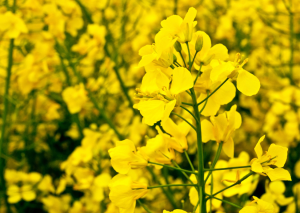
Australia's Office of the Gene Technology Regulator (OGTR) has received license application DIR 205 from the Commonwealth Scientific and Industrial Research Organisation (CSIRO) to conduct a field trial of genetically modified (GM) canola with increased abiotic stress tolerance. The field trial is proposed to take place between May 2025 and December 2030, on up to 3 sites per year with a maximum area of 1.5 hectares (ha) for each site in the first year and 2 ha for each site in the subsequent years.
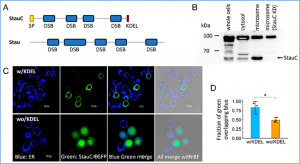
RNA interference (RNAi) is more efficient in coleopteran insects than other insects. StaufenC (StauC), a coleopteran-specific double-stranded RNA (dsRNA)-binding protein, is required for efficient RNAi in coleopterans. We investigated the function of StauC in the intracellular transport of dsRNA into the cytosol, where dsRNA is digested by Dicer enzymes and recruited by Argonauts to RNA-induced silencing complexes. Confocal microscopy and cellular organelle fractionation studies have shown that dsRNA is trafficked through the endoplasmic reticulum (ER) in coleopteran Colorado potato beetle (CPB) cells.

ASCA7 targets to equip Asian scientists, regulators, and other stakeholders with the knowledge and skills to navigate the complexities of agri-biotech. The program focuses on three key areas: agri-biotech applications, policy environment, and biotech communication. This comprehensive approach empowers participants to contribute towards implementation of science-based regulations that support the commercialization and trade of agri-biotech products.

New banana varieties with improved reduced-browning characteristics have been determined as non-genetically modified organisms (GMOs) in the Philippines. The Certificates of Non-Coverage from JDC No. 01 s. 2021 was granted by the Department of Agriculture – Bureau of Plant Industry (BPI) on June 21, 2024. The reduced browning bananas (TRB011001 and TRB011002) were developed by Tropic Biosciences using the CRISPR-Cas9 gene editing system.
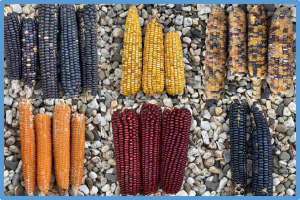
Examining the connection between P and starch-related signals can help elucidate the balance between nutrients and yield. This study utilized 307 diverse maize inbred lines to conduct multi-year and multi-plot trials, aiming to explore the relationship among P content, starch content, and 100-kernel weight (HKW) of mature grains. A significant negative correlation was found between P content and both starch content and HKW, while starch content showed a positive correlation with HKW.