


News & Events
A research team from the lab of Patrick Shih, an investigator at the Innovative Genomics Institute (IGI) at UC Berkeley, the Deputy Vice President of the Feedstocks Division, and the Director of Plant Biosystems Design at Joint BioEnergy Institute (JBEI), made simple changes to Agrobacterium to improve the efficiency of introducing DNA into a genome.

The Panel on Genetically Modified Organisms of the European Food Safety Authority (GMO Panel) has released its Scientific Opinion on the safety of genetically modified (GM) herbicide tolerant and insect resistant maize DP51291, for import, processing, and food and feed uses within the European Union (EU) and does not include cultivation.

Rice blast disease caused by Magnaporthe oryzae significantly reduces yield production. Blast resistance is closely associated with iron (Fe) status, but the mechanistic basis linking iron status to immune function in rice remains largely unknown. Here, iron-binding haemerythrin RING ubiquitin ligases OsHRZ1 was confirmed to play key roles in iron-mediated rice blast resistance.
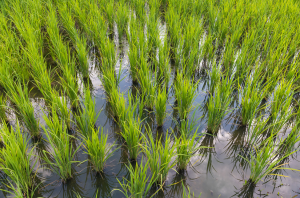
Shenyang Agricultural University and Liaodong University researchers reported the role of iron-binding haemerythrin RING ubiquitin ligases OsHRZ1 in rice blast resistance. The findings are published in Transgenic Research. Rice blast disease, caused by the fungus Magnaporthe oryzae, can significantly decrease the yield of rice plants. Resistance to the disease is linked with the plant's iron levels, but the mechanism behind this linkage in immunity continues to be unclear.
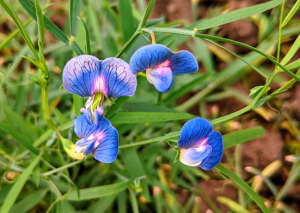
An international research collaboration has completed the most detailed genome assembly to date of grass pea. The chromosome-scale reference genome published in Scientific Data offers potential to accelerate modern breeding of this underutilized legume for climate-smart agriculture. Nearly twice the size of the human genome, the sequence was assembled from scratch and improves on an earlier draft assembly of the vigorous grass pea line LS007
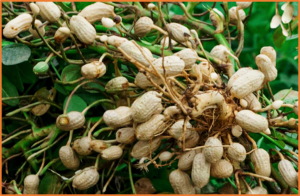
Peanut is an important cash crop used in oil, food and feed in our country. The rapid development of sequencing technology has promoted the research on the related aspects of peanut genetic breeding. This paper reviews the research progress of peanut origin and evolution, genetic breeding, molecular markers and their applications, genomics, QTL mapping and genome selection techniques. The main problems of molecular genetic breeding in peanut research worldwide include: the narrow genetic resources of cultivated species, unstable genetic transformation and unclear molecular mechanism of important agronomic traits.

Scientists from Vilnius University's Life Sciences Centre (VU LSC) have revealed a new way to silence genes without cutting DNA. The study, published in Nature Communications, showed a unique gene silencing mechanism similar to pressing a “pause” button on certain genetic instructions within cells. The newly studied type IV-A CRISPR system silences genes without cutting them, unlike the CRISPR gene editing system which is often described as molecular scissors.
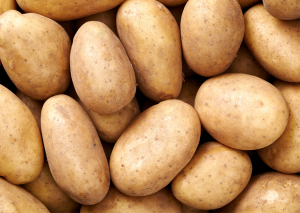
A recent study led by Salomé Prat, a CSIC researcher at the Centre for Research in Agricultural Genomics (CRAG) in Barcelona, Spain, unveiled groundbreaking findings in a paper published in New Phytologist on the role of the StCDF1 gene in nitrogen use efficiency in potatoes. The study, conducted in collaboration with the group of Christian Bachem from the University of Wageningen (WUR), expands the role of StCDF1 gene beyond its previously known function as a central regulator of day length tuberization.
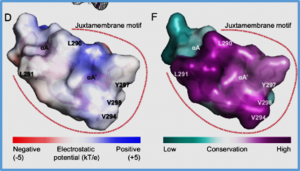
Establishment of root nodule symbiosis is initiated by the perception of bacterial Nod factor ligands by the plant LysM receptor kinases NFR1 and NFR5. Receptor signaling initiating the symbiotic pathway depends on the kinase activity of NFR1, while the signaling mechanism of the catalytically inactive NFR5 pseudokinase is unknown. Here, we present the crystal structure of the signaling-competent Lotus japonicus NFR5 intracellular domain, comprising the juxtamembrane region and pseudokinase domain. The juxtamembrane region is structurally well defined and forms two α-helices, αA and αA′, which contain an exposed hydrophobic motif.

Pakistan announced the authorization for the import of genetically modified soybeans. The National Biosafety Committee has granted import licenses to 39 companies. The Pakistan Poultry Association (PPA) lauded the move, stressing that it will aid in sourcing quality protein for feed. The importation ban for GM soybeans was implemented in the country in the past years after reports of illegal and undeclared importation of the commodity.
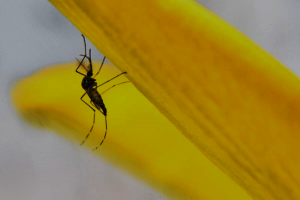
Australia's Office of the Gene Technology Regulator (OGTR) has received license application DIR 207 from Oxitec Australia for the commercial release of a genetically modified (GM) mosquito strain to reduce the population of Aedes aegypti mosquitoes and help prevent dengue outbreaks in Queensland. The OGTR will prepare a consultation version of the Risk Assessment and Risk Management Plan (RARMP) for the application after seeking advice from experts,
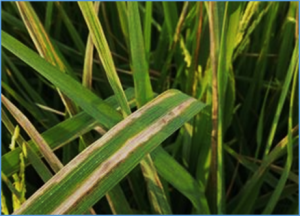
In this study, we compared the APA profile of leaf blight-susceptible varieties (CT 9737-613P-M) and resistant varieties (NSIC RC154) following bacterial blight infection. Through gene enrichment analysis, we found that the genes of two varieties typically exhibited distal poly(A) (PA) sites that play different roles in two kinds of rice, indicating differential APA regulatory mechanisms.