


News & Events

The Department of Agriculture Biotechnology Program Office (DA BPO) announces eight awardees of the 9th Filipino Faces of Biotechnology on December 5, 2024, at the Philippine International Convention Center (PICC). The Filipino Faces of Biotechnology is an annual event organized by DA BPO which aims to recognize and honor outstanding individuals who have contributed to the advancement of biotech in the Philippines.
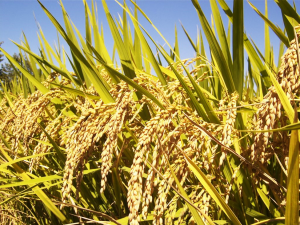
Increasing food production and ensuring drinking water safety have always been a focus of attention, especially for people in underdeveloped regions of the world. Traditional excessive fertilizer applications have increased crop yield but also caused groundwater nitrate pollution. Agricultural irrigating water is an important reservoir for nitrogen (N) (e.g., nitrate) accumulation after fertilization. Ammonium (NH4+-N) is a more readily absorbed N form by rice than nitrate (NO3−-N).

A team of scientists from the United States has made a game-changer discovery — a gene in poplar trees that enhances photosynthesis and boosts tree height by as much as 200 percent. The discovery raises hopes of gaining higher yields from important food crops and could aid national efforts to grow poplar trees for jet fuels as an alternative to petroleum-based fuels. The gene, which the scientists call "Booster," occurs naturally in poplar trees. It enhances photosynthesis and, therefore, boosts plant growth.

ISAAA Inc., in collaboration with the Philippine Agriculture and Fisheries Biotechnology Program of the Department of Agriculture (DA Biotech Program Office), held a webinar titled Leading Breakthroughs: Gene Drives for a Sustainable Agriculture and Biodiversity Conservation on December 9, 2024, via Zoom, to provide information and recent developments on the new and emerging applications of gene drives.
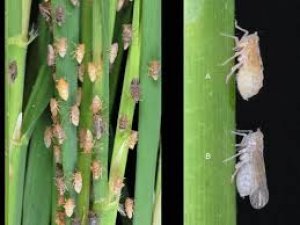
The brown planthopper (BPH) is the most destructive insect pest that threatens rice production globally. Developing rice varieties incorporating BPH-resistant genes has proven to be an effective control measure against BPH. In this study, we assessed the resistance of a core collection consisting of 502 rice germplasms by evaluating resistance scores, weight gain rates and honeydew excretions. A total of 117 rice varieties (23.31%) exhibited resistance to BPH
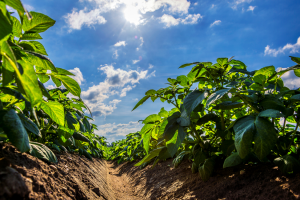
A study published in Global Change Biology reports about genetically engineered potato plants that can grow 30% larger tubers under heatwave conditions without affecting the nutritional quality of the tubers. The research was conducted by a team of experts led by Katherine Meacham-Hensold of the University of Illinois in the US.
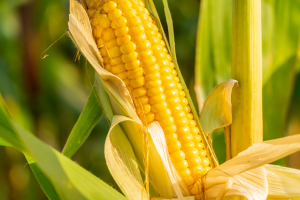
The National Biosafety Authority (NBA) in Kenya invites the public to comment on the proposed environmental release and placing on the market of Bt maize (MON 89034). This application is submitted by the Kenya Agricultural and Livestock Research Organization (KALRO) and the African Agricultural Technology Foundation (AATF).
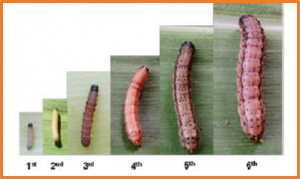
Broad complex (Br-C) and eip93F (E93) transcription factors promote insect metamorphosis from larva to pupa and from pupa to adult, respectively. Recently, chronologically inappropriate morphogenesis (Chinmo) has been proposed as a larval specifier in Drosophila melanogaster. However, whether Chinmo is required for larval maintenance in lepidopteran insects, the underlying mechanisms involved in maintaining the larval stage
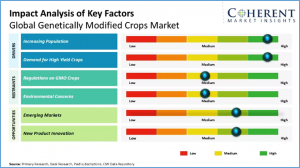
The global market of genetically modified crops is projected to be valued at USD 24.80 billion in 2024 and expected to reach USD 35.56 billion with a compound annual growth rate of 5.3% during this period. This information is according to the report of Coherent Market Insights on GM crops market size and trends.

A research team from Bangladesh Agricultural University, Philippine Rice Research Institute (PhilRice), and partners looked into how marketing expectations influence consumers' purchase intentions of Golden Rice in Bangladesh and the Philippines. If commercialized, the findings of the study will contribute to the successful launch of Golden Rice in both countries.
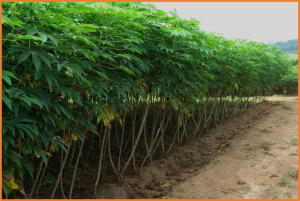
Cassava productivity is constrained by low soil nitrogen, which is predominant in most cassava-growing regions in the tropics and subtropical agroecology. Improving the low nitrogen tolerance of cassava has become an important breeding objective. The current study aimed to develop cassava varieties with improved nitrogen use efficiency by identifying genomic regions and candidate genes linked to nitrogen use efficiency in cassava

A research team from Australia and China has uncovered important genetic and genomic information in the world's most comprehensive wheat genome sequencing and assembly project to date. The research reveals the evolution of wheat and offers a springboard for future genome references and global breeding programs.