


News & Events
News & Events
Metabolomics and transcriptomics analyses reveal quality differences in forage-grain ratoon rice under varying mowing stages 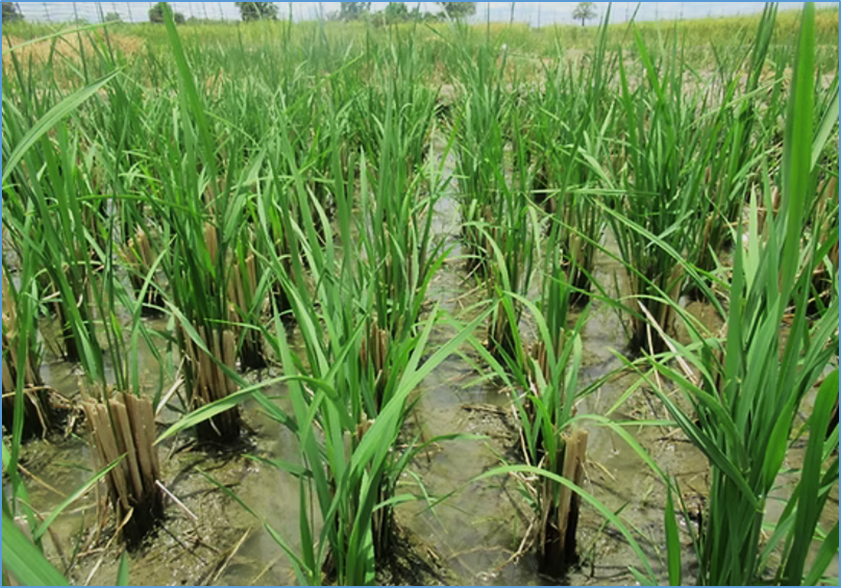
Thursday, 21/05/2026 | 08:16:04
The mechanisms underlying quality formation of forage-grain ratoon rice (FG-RR) were investigated using transcriptomics and metabolomics. Results revealed that mowing at milky-ripe stage (MS) significantly enhanced the percentages of brown rice, milled rice, and head rice compared to full-ripe stage (FRS), with increases of 2.37%, 2.40%, and 13.19%, respectively. Additionally, it had lower amylose and protein contents than FRS, decreasing by 8.09% and 26.28%.
CRISPR System Creates Safer Self-Destruct Mechanism for Engineered Bacteria
Thursday, 21/05/2026 | 08:15:07
Researchers from Seoul National University and Jeju National University in Korea have developed a new CRISPR-based biocontainment system that enables engineered bacteria to permanently self-destruct after a single activation signal. The technology is designed to improve the safety of genetically engineered microorganisms used in environmental, industrial, and medical applications.
What will it take to make food systems work for women?
Thursday, 21/05/2026 | 08:16:52
According to the Status of Women in Agrifood Systems (SWAFS 2023), women make up more than 40 percent of the global agricultural labor force. In sub-Saharan Africa, food systems are a primary source of livelihood for 66 percent of women, compared to 60 percent of men. Yet women consistently have less access to land, agricultural inputs, finance, markets, technologies and information. Harmful social norms and discriminatory laws continue to restrict their agency and decision-making power.
Multiplexed CRISPR base editing enables pulse-activated irreversible biocontainment of engineered bacteria Open Access 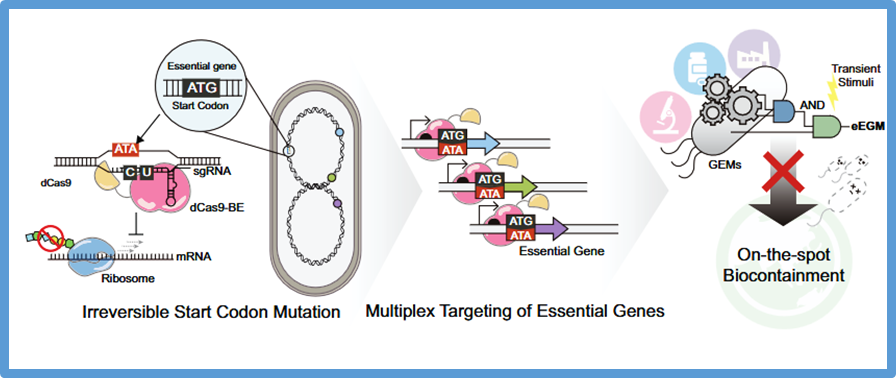
Wednesday, 20/05/2026 | 08:16:08
The environmental and therapeutic application of genetically engineered microorganisms necessitates the development of robust, irreversible biocontainment systems. In this study, we present an eEGM (editing-driven essential gene multiplex inactivation) module that utilizes CRISPR-mediated cytidine base editing to induce permanent self-killing via a single transient induction. By targeting the start codons of essential genes,
Lack of Scientific Voices Fuels GMO Misconceptions Among Farmers in Kenya
Wednesday, 20/05/2026 | 08:15:17
Researchers from the University of Dar-es-Salaam, Tanzania and Moi University, Kenya found that misinformation, language barriers, and limited science communication skills continue to hinder public understanding of genetically modified (GM) foods. The researchers noted that despite ongoing public debate, expert scientific voices are often missing from discussions about GM crops.
Kenya Clears Path for Field Trials of Gene-Edited Banana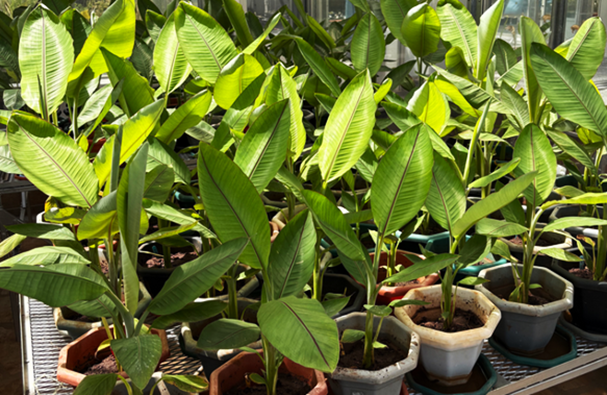
Wednesday, 20/05/2026 | 08:14:30
In a landmark decision, the National Biosafety Authority (NBA) has confirmed that gene-edited banana events developed by the International Institute of Tropical Agriculture (IITA) in Kenya are not classified as genetically modified organisms (GMOs) as they do not contain any foreign genetic material. This determination allows the improved gene-edited bananas to advance through conventional research pathways, marking a major step in enabling the use of modern breeding technologies.
Discovery of cold tolerance genes and favorable alleles in Kam sweet rice across various growth stages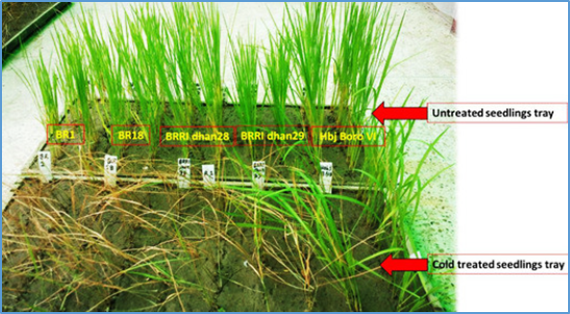
Tuesday, 19/05/2026 | 08:23:08
Cold sensitivity in rice leads to significant yield losses. Identifying cold-tolerant germplasm and uncovering cold tolerance genes are essential for developing resilient rice varieties. Kam Sweet Rice (KSR) is notable for strong cold tolerance, which is an invaluable genetic resource for identifying such genes. In this study, we phenotyped cold tolerance across various growth stages using 104 KSR accessions and 268 other rice landraces.
COGEM Renews Authorization for 2 GM Carnations
Tuesday, 19/05/2026 | 08:21:59
The Netherlands Commission on Genetic Modification (COGEM) has reviewed and advised on the renewal of authorization for the import, distribution, and sale of genetically modified (GM) carnations, Moonaqua™ and Moonvista™, developed by Florigene Flowers.Moonaqua™ (FLO-40689-6) is a pastel mauve/violet carnation, and its soft pearly color is ideally suited for any wedding or special event. It received its first authorization in 2009, and this is the second renewal regarding import into the EU.
Risk of Famine persists as nearly 19.5 million people face acute food insecurity in Sudan
Tuesday, 19/05/2026 | 08:21:06
The Food and Agriculture Organization (FAO), the World Food Programme (WFP) and UNICEF warned today that nearly 19.5 million people – two out of every five people in Sudan - are currently facing crisis levels of acute food insecurity (IPC Phase 3 or above) across Sudan, according to the latest Integrated Food Security Phase Classification (IPC) analysis.
Integration of Ty-1/Ty-3 and Ty-6 confers improved and durable resistance to highly pathogenic begomoviruses in tomato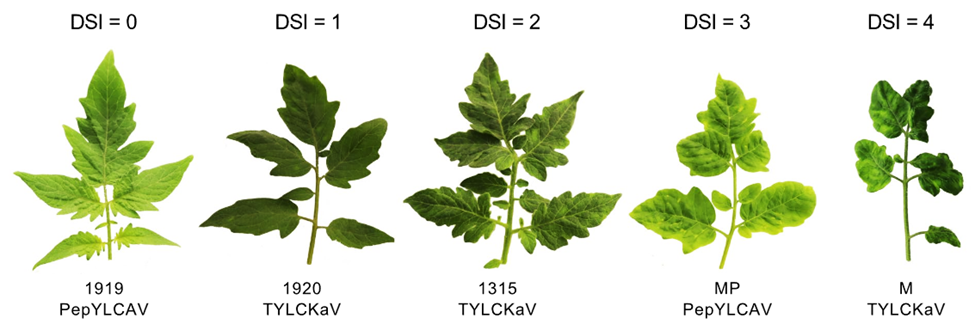
Monday, 18/05/2026 | 08:27:04
Begomoviruses are among the most destructive pathogens of tomato worldwide, and the introgression of Ty-genes in tomato is a key strategy for disease management. However, a single Ty-gene often provides incomplete protection against highly virulent begomovirus species. Here, commercial tomato cultivars and a series of breeding lines previously developed by the World Vegetable Center (WorldVeg) were inoculated with one of three begomovirus species that differed in virulence.
CRISPR Elucidates Key Gene in Forming Symbiotic Nodules in Pea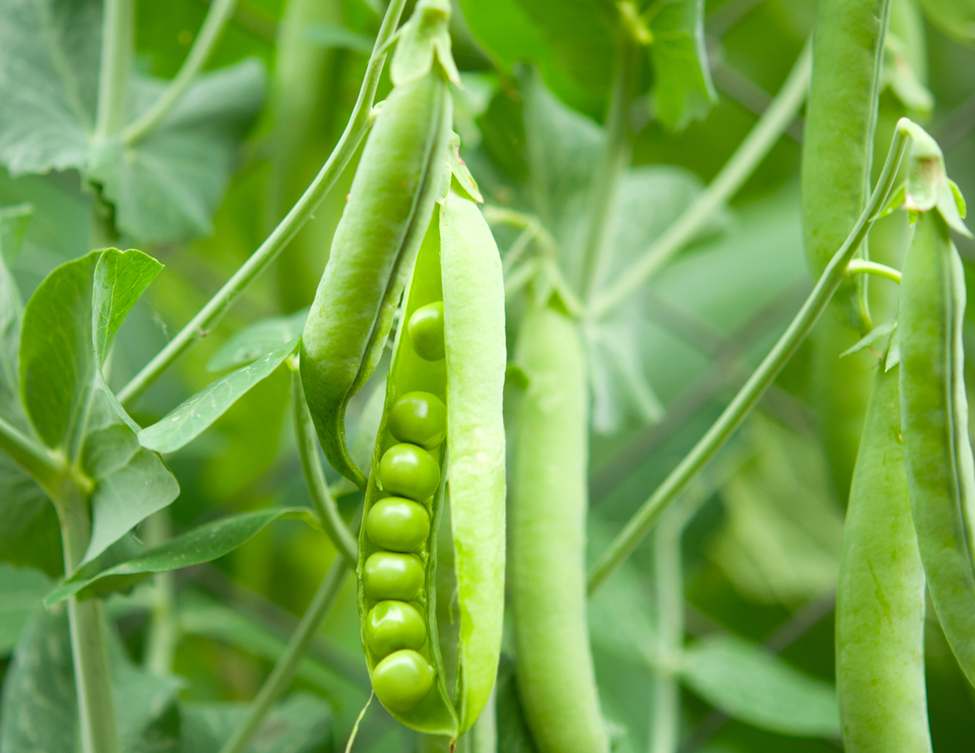
Monday, 18/05/2026 | 08:26:04
Peas have a remarkable ability to partner with specific soil bacteria that provide the plants with essential nitrogen, acting like a natural fertilizer factory. The plant uses specialized receptors to recognize chemical signals from the bacteria. For years, scientists suspected that a specific mystery gene, known as Sym2, mainly controls how certain pea varieties identify their microbial partners. While a candidate gene called PsLykX seemed to fit the description perfectly, researchers lacked the concrete proof needed to confirm that it was actually responsible for this vital connection.
Save the Date: 8th Asian Short Course on Agribiotechnology, Biosafety Regulation, and Communication
Monday, 18/05/2026 | 08:25:24
The Philippine Bureau of Plant Industry has issued a biosafety permit for the commercial propagation of HIZ039 rice, which is owned and licensed by the Philippine Rice Research Institute (PhilRice).According to the public information sheet on the PhilRice website, HIZ039 rice was developed through genetic engineering to boost iron and zinc levels in the grain. This was achieved using genes from rice and a species of Asian wild apple known as Malus baccata.