


News & Events
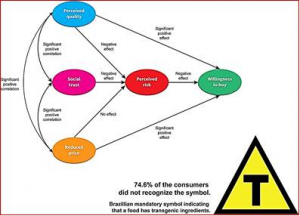
Researchers from Brazil released the results of their study that aimed to determine how much consumers knew about genetically modified (GM) food labeling in Brazil and identify the factors that affected the consumer's willingness to buy these foods. The results showed that about three-quarters of Brazilian consumers did not recognize the symbol used for GM food labeling.
We initially assessed the effects of low temperature on meiotic chromosome synapsis and crossover formation in the hexaploid wheat (Triticum aestivum L.) variety ‘Chinese Spring’. At low temperatures, asynapsis and chromosome univalence have been observed before in Chinese Spring lines lacking the long arm of chromosome 5D (5DL), which led to the proposal that 5DL carries a gene (Ltp1) that stabilises wheat chromosome pairing at low temperatures.
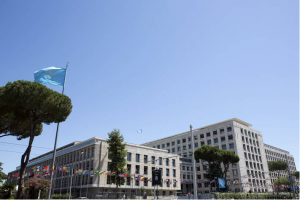
The Food and Agriculture Organization of the United Nations (FAO) has over the last five weeks implemented a series of precautionary measures to protect its employees and their families against the threat of the novel coronavirus disease (Covid-19). These measures have been implemented in accordance with guidelines and protocols set by the World Health Organization (WHO) and the Italian authorities.
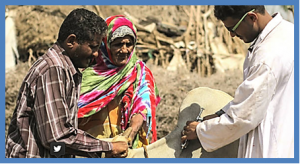
While global attention has focused on the swarms of Desert Locusts attacking crops in East Africa, a number of other countries and regions are also confronting serious food security threats and require support, according to the Food and Agriculture Organization. In a funding appeal released today, FAO is asking for $900 million to reach 43 million vulnerable, agriculture-dependent people at risk of increased acute food insecurity in 22 countries including Burkina Faso, Chad, Ethiopia, Libya, Myanmar, Syria and Yemen.
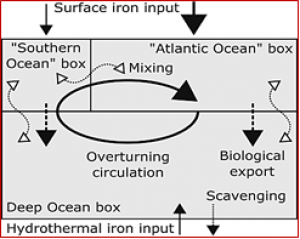
Iron is the limiting factor for biological production over a large fraction of the surface ocean because free iron is rapidly scavenged or precipitated under aerobic conditions. Standing stocks of dissolved iron are maintained by association with organic molecules (ligands) produced by biological processes. We hypothesize a positive feedback between iron cycling, microbial activity, and ligand abundance:

The global biotech crops market was valued at US$18.15 billion in 2018, according to Coherent Market Insights in their report released in February 2020. It is projected that the biotech crops market will reach US$37.46 billion by 2027, exhibiting a compound annual growth rate (CAGR) of 8.7 percent over the forecast period.
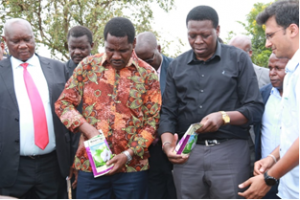
After many years of waiting, Kenya has finally commenced commercial farming of Bt cotton heralding a new dawn for cotton farmers in the country. On Monday, the country planted its first Bt cotton seed on a commercial scale in a historic launch held at Alupe University, western Kenya. The country now becomes the seventh African country to commercialize the genetically modified (GM) cotton.
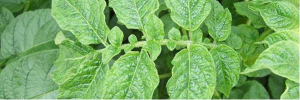
A new source of genetic resistance derived from Solanum tuberosum Group Phureja against Potato virus Y (PVY) was identified and genetically characterised in three diploid biparental potato populations. Segregation data for two populations (05H1 and 08H1) suggested the presence of a single dominant gene for resistance to PVY which,
RNA capping in eukaryotes has been studied since the 1970s, starting with the discovery of 5′ 7-methylguanylate caps in the Shatkin laboratory (1). That capping mechanism involves a pause during transcription elongation that allows the recruitment of specialized capping enzymes to modify the 5′ end of the nascent RNA
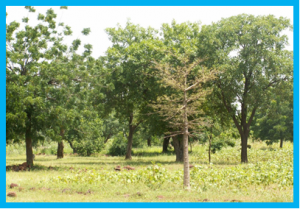
Near the start of the rainy season in June 1983, Tony Rinaudo hauled a load of trees in his truck to be planted in remote villages in the Maradi region of Niger. Driving onto sandy soil, Rinaudo stopped to let air out of his tires to get better traction, and was hit by a sense of futility. For years, the Australian missionary had been working to improve the lives of people in one of the poorest countries in Africa by planting trees
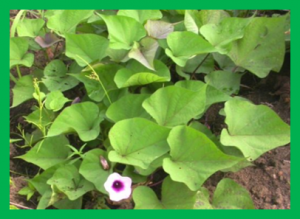
To better define the sweetpotato polyploidy, we sought to reconstruct phylogenies of its subgenomes based on hybridization networks that could trace reticulate lineages of differentiated homoeolog triplets of multiple single-copy genes. In search of such homoeolog triplets, we distinguished cDNA variants of 811 single-copy Conserved Ortholog Set II (COSII) genes from two sweetpotato clones into variation partitions specified by corresponding homologs from two
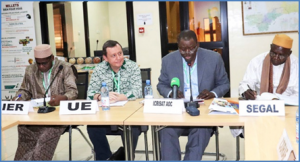
A new project aimed at improving food and nutrition security in Mali by enhancing crop productivity and climate resilience was recently launched by ICRISAT in Mali. The five-year EU-funded project is set to benefit around 40,000 people in Kayes, Koulikoro, Ségou and Mopti regions of Mali. The project also aims to strengthen seed-systems through public-private partnership.