


News & Events
News & Events
Metabolomics and Transcriptomic Analysis Revealed the Response Mechanism of Maize to Saline-Alkali Stress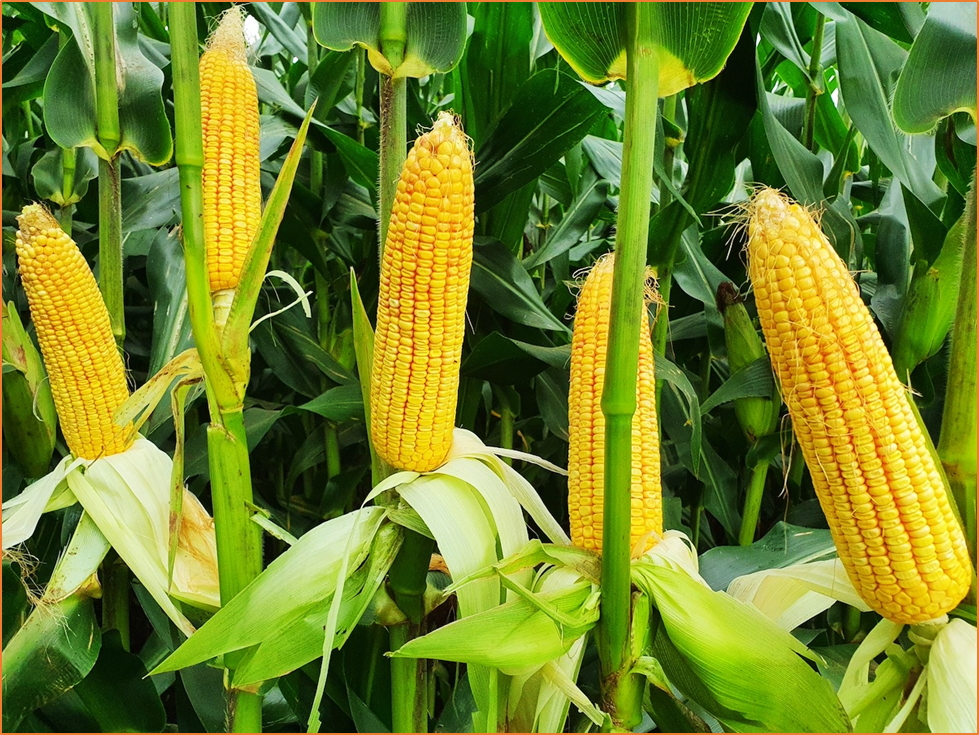
Sunday, 30/11/2025 | 08:06:13
Saline-alkali stress inhibited the normal growth and development of plants, which seriously restricted the yield of crops. Maize is one of the most important crops in the world. However, the mechanism of maize in response to saline-alkali stress is still largely unknown. Through the observation of growth parameters and the detection of physiological and biochemical indicators in saline-alkali tolerant (22KN3894) and saline-alkali sensitive (H23146) maize inbred lines, this study found that compared with H23146,
The Philippines approved the canola event LBFLFK for food, feed, and processing.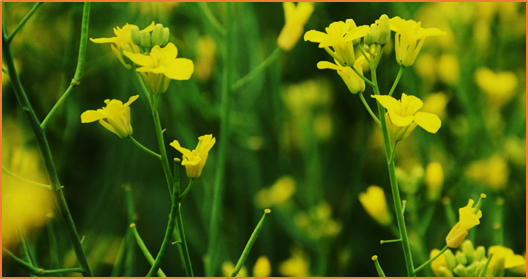
Sunday, 30/11/2025 | 08:03:35
Physcomitrella patens:
delta-6 elongase:
catalyzes the decarboxylation Claisen-like condensation of two carbons from malonyl-CoA to C18:3n-6-CoA generating C20:3n-6-ß-keto-CoA, which is then converted to C20:3n-6-CoA by endogenous enzymes
Small Stature, Big Impact: How SAMSORG 52 is Redefining Sorghum Farming in Nigeria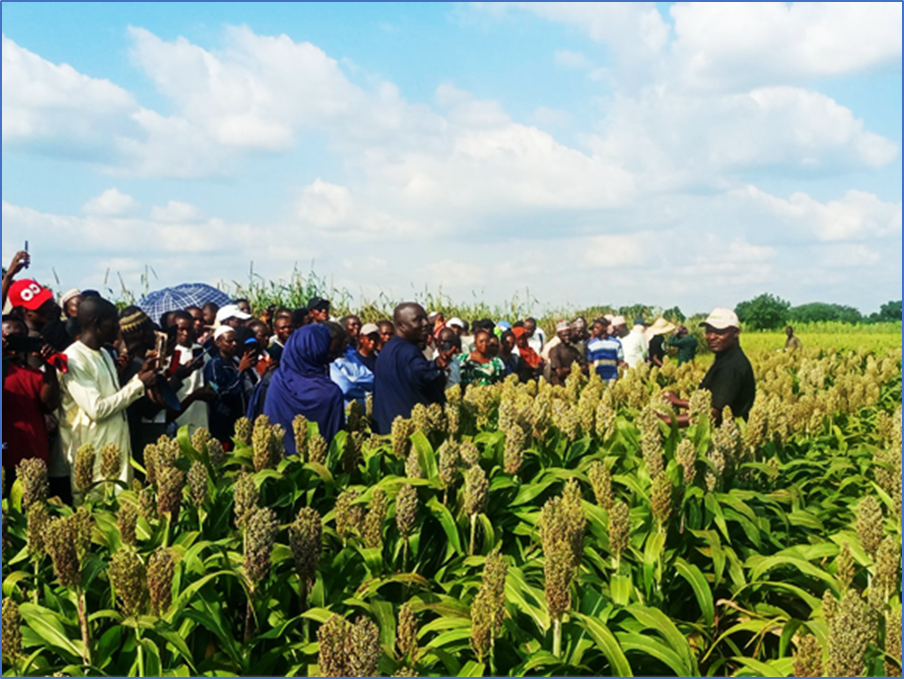
Sunday, 30/11/2025 | 08:03:26
ICRISAT’s short-duration sorghum variety, SAMSORG 52, is transforming farming in northern Nigeria by addressing insecurity, strengthening productivity, and improving nutrition.
Sorghum is more than a crop in northern Nigeria – it is a lifeline. Millions of households depend on it daily for food, livestock feed, income, and cultural practices. But in recent years, farmers have faced unprecedented challenges. Insecurity from banditry and insurgency has made cultivating tall sorghum risky, while drought and erratic rainfall continue to reduce yields.
The invisible subsoil compaction risk under no-till farming
Saturday, 29/11/2025 | 10:36:15
No-till (NT), a key component of conservation agriculture, is presently practiced over 15% of global arable land. NT offers economic and ecological advantages over conventional tillage; however, it may result in persistent yield losses for certain crops. Here, we highlight an invisible threat to sustainable soil management under NT due to subsoil compaction. We describe a subsoil compaction risk driven by compaction events due to heavy farm vehicles occurring at intervals shorter than soil structure recovery times.
Experts Convert Food Waste into Biofuel for Aircraft
Saturday, 29/11/2025 | 10:36:02
Scientists at the University of Illinois Urbana-Champaign developed a strategy to convert food waste into sustainable aviation fuel that can be used for commercial aircraft. Their findings are published in Nature Communications.
Reducing carbon emissions in the aviation industry is a challenge compared to efforts for the automotive sector. To address this concern, the researchers used hydrothermal liquefaction, which transforms wet food waste into biocrude oil, simulating nature's oil production but in a rapid manner
Reinventing Kenya’s Snack Future with Dryland Grains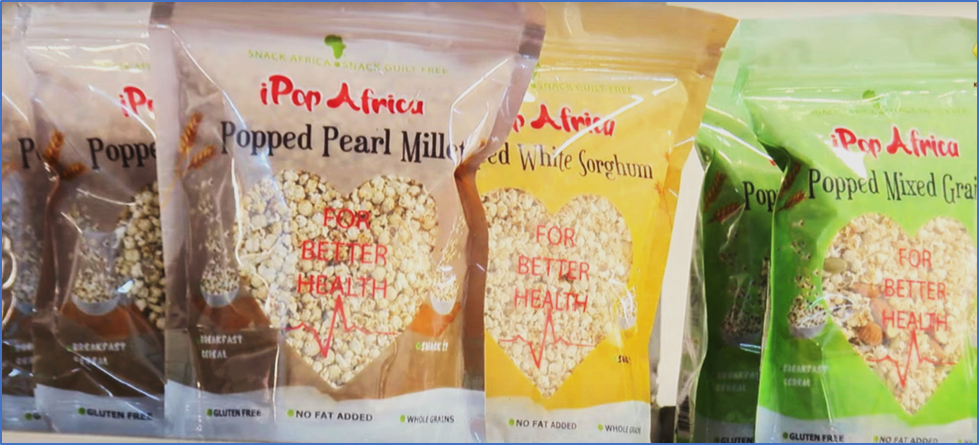
Saturday, 29/11/2025 | 10:35:29
On a quiet backstreet in Mihango, Kenya, the gentle hum of machinery signals a small revolution underway.
Inside a compact workshop stacked with sacks of sorghum, millet, and brown rice, Ms Dora Mummani is quietly rewriting Kenya’s snacking story.
Her enterprise, IPOP Africa, stands as a living example of ICRISAT’s mission across the continent, transforming climate-resilient dryland crops into modern, high-value foods that generate youth employment, uplift local economies, and strengthen Africa’s capacity to feed itself in a warming world.
Identification of CsAFP3-like as a novel gene regulating determinate growth of lateral branch in cucumber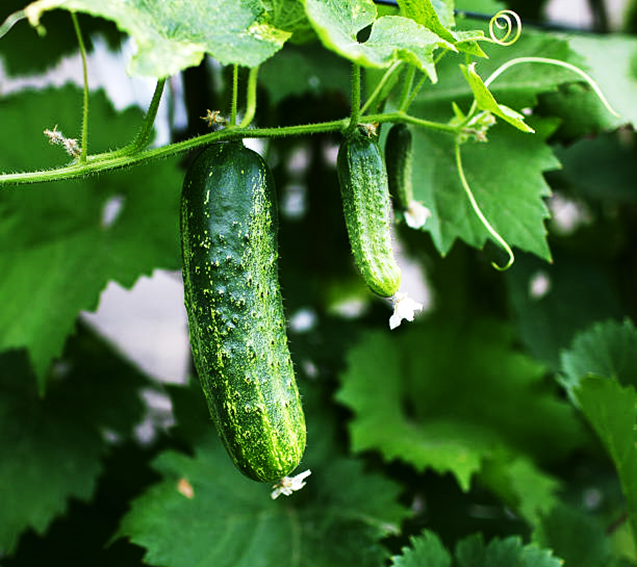
Friday, 28/11/2025 | 06:04:24
Lateral branching is a critical agronomic trait in cucumber that directly influences plant architecture and crop yield. Therefore, understanding the genetic mechanisms underlying this trait is essential for effective cucumber breeding. Here, we identified a branchless mutant, designated mbl (mutant-branchless), exhibiting extremely determinate growth of lateral branch. Using BSA-seq analysis with four DNA bulk pools derived from an F2 population crossing between mbl and a normal lateral branching variety, EC1, we mapped distinct loci associated with the lateral branch development.
Bt Maize Shows Strong Protection Against Major Pests in Tropical Asia
Friday, 28/11/2025 | 06:04:18
A new study has confirmed that Bt maize containing three insect-resistant proteins (Cry1Ab, Cry2Ab, and Cry1Fa) is highly effective against fall armyworm and other major lepidopteran pests in tropical Asia. These pests pose a significant threat to maize production in a region that serves as a year-round breeding zone and a source of seasonal pest migration across Asia.
The researchers evaluated the Bt maize event LP026-2 by measuring toxin levels in different plant parts and conducting bioassays on six key pests. Laboratory tests showed more than 90% mortality against all targeted pests in leaf and kernel assays within five days
Bangladesh’s coastal polders at a crossroads: Reform needed for water management
Friday, 28/11/2025 | 06:04:12
In Bangladesh’s coastal districts, millions of people depend on a network of polders, embankments, canals, and sluice gates to protect their homes, farms, and livelihoods. These structures, built in the 1960s, cover over 1.2 million hectares and are crucial for agriculture, fisheries, and rural life. Yet, many canals have silted up, sluice gates are damaged, and water levels fluctuate unpredictably, leaving farmers struggling to manage crops and water.
Efficacy of Bt-(Cry1Ab + Cry2Ab + Cry1Fa) maize against Spodoptera frugiperda and other lepidopteran migratory pests in tropical Asia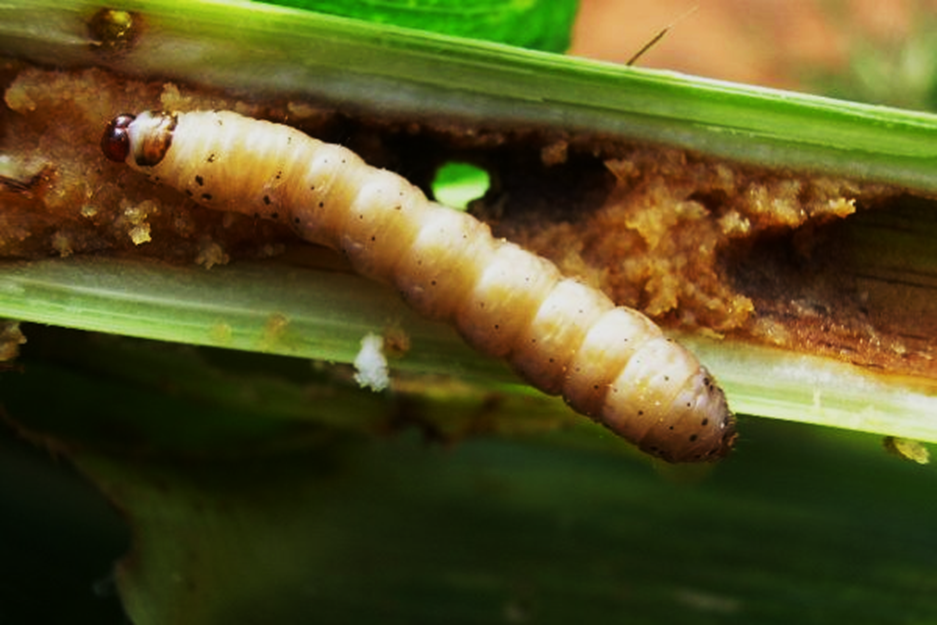
Thursday, 27/11/2025 | 07:43:01
The invasive fall armyworm Spodoptera frugiperda and other lepidopteran migratory pests significantly threaten maize production in tropical Asia, a key year-round breeding region and source of spring or summer migrants across the broader Asian region. The strategic deployment of genetically modified maize expressing pyramided Bacillus thuringiensis (Bt) toxins offers a promising approach for managing multiple pests and delaying resistance evolution in this region. This study evaluated the insecticidal efficacy of Bt maize (LP026-2 event, Cry1Ab + Cry2Ab + Cry1Fa) against six major lepidopteran pests:
Environmental Risk Assessment Finds GM Maize DP51291 Safe for Non-Target Organisms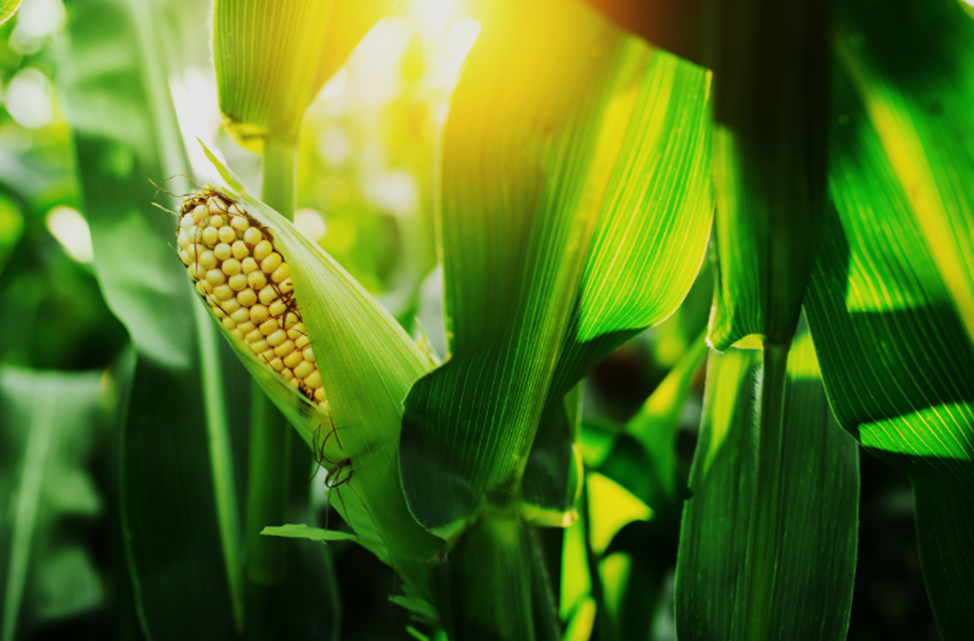
Thursday, 27/11/2025 | 07:43:08
An environmental risk assessment published in GM Crops & Food revealed that the genetically modified (GM) maize event DP-Ø51291-2 (DP51291), which produces the IPD072Aa protein to control corn rootworms, does not pose significant harm to non-target organisms in agricultural environments. The risk assessment examined potential exposure levels and possible hazards to a wide range of species, including pollinators, soil organisms, aquatic life, predators, parasitoids, birds, and mammals.
COP30: Forests drive agricultural success, not conflict, report shows
Thursday, 27/11/2025 | 07:43:15
Forests are at the heart of COP30 discussions in the Brazilian Amazon city of Belém. But less is said about how forests provide a vital support system for agriculture. Promoting synergies between the two is therefore essential for sustainable agrifood system transformation in the face of climate change, according to a report released today at the 2025 United Nations Climate Change Conference (COP30) in Brazil.