


News & Events
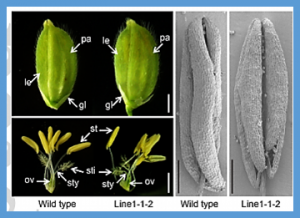
Rice yield and sustainable production are important issues for global food safety (Itoh et al., 2005). Sterility mutants are appropriate materials for understanding the molecular mechanisms underlying fertility regulation in rice, and are potential germplasm for production of hybrid seeds. The availability of the rice whole genome sequence enabled fine mapping and cloning of the key genes underlying the sterility trait, and shed insights into the development of male and female gametophytes in the past decade, but our understanding on the genetic and molecular mechanisms underlying fertility remains limited.

Gene editing technology, CRISPR, will be harnessed to develop new varieties of berries. The developers, fruit company Pairwise Food Systems and berry-breeder company Plant Sciences Inc. (PSI), aim to improve the taste and shelf-life of berries and make them available all year round. Pairwise will use its unique gene editing capabilities on PSI's berry germplasm to modify berry DNA sequences and retain good traits while getting rid of the lesser desirable traits.
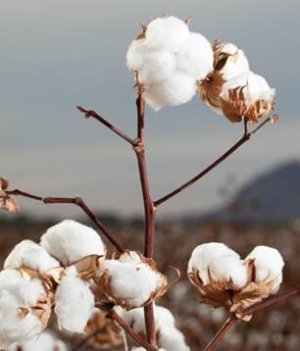
A study successfully investigated the genomic similarities between wild and domesticated cotton and found new information that can help develop varieties with improved resistance to conditions caused by climate change. An international team of experts conducted genetic sequencing and comparison of five cotton species, which included two commercial cotton varieties and three wild cotton species. Their efforts aim to provide the advancement in genomic sequencing for both the commercial and wild species to benefit cotton growers who need to adapt to environmental changes.
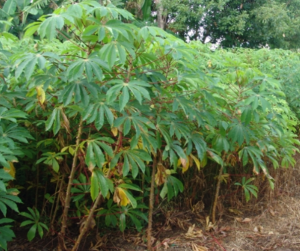
The cassava genome possesses 14 of the 17 plant PR families, with a total of 447 PR genes. A cassava PR gene nomenclature is proposed. Phylogenetic relatedness of cassava PR proteins to each other and to homologs in poplar, rice and Arabidopsis identified cassava-specific PR gene family expansions. The temporal programs of PR gene expression in response to the whitefly (Aleurotrachelus socialis) in four whitefly-susceptible cassava genotypes showed that 167 of the 447 PR genes were regulated after whitefly infestation.
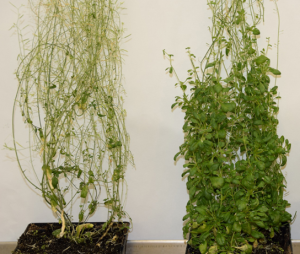
Researchers from the University of Leiden have discovered a gene that allows annual plants to grow after flowering, instead of dying. Using Arabidopsis, first author Omid Karami demonstrated how the AHL15 gene works. He overexpressed the gene in Arabidopsis so that it is much more active than normal.
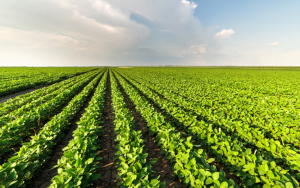
The fast adoption of genetically engineered crops has brought significant benefits that exceeded expectations. This was mentioned by Dr. Nina V. Fedoroff, an Emeritus Evan Pugh Professor at Penn State University, in her four-part series on the progress on agricultural biotechnology published in Genetic Literacy Project (GLP). According to a 2014 study on the cumulative global impact of GM crops reported that biotech crop farmers' yield increased by 22% and their profits by 68%.
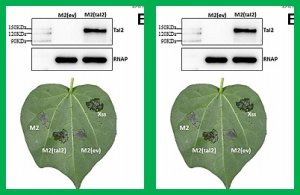
In this study, we identified six tal genes in Xss-V2-18, a highly-virulent strain of Xcm from China, and assessed their role in BBC. RFLP-based Southern hybridization assays indicated that Xss-V2-18 harbors the six tal genes on a plasmid. The plasmid-encoded tal genes were isolated by cloning BamHI fragments and screening clones by colony hybridization. The tal genes were sequenced by inserting a Tn5 transposon in the DNA encoding the central repeat region (CRR) of each tal gene. Xcm TALome evolutionary relationship based on TALEs CRR revealed relatedness of Xss-V2-18 to MSCT1 and MS14003 from the United States.

To continue its goal of providing effective platforms of communicating science to major stakeholders from different parts of the world, the International Service for the Acquisition of Agri-biotech Applications (ISAAA) launches Science Speaks, a brand new blog featuring key activities, events, and developments of ISAAA, its global network of Biotechnology Information Centers, and other partners. A message from ISAAA's Global Coordinator, Dr. Mahaletchumy Arujanan welcomes Science Speaks visitors.
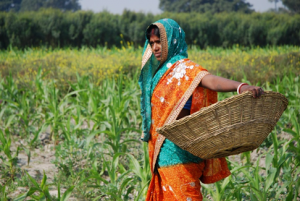
A coalition has called on world leaders urgently to maintain open trade of their surplus food products. The Call to Action has been made as the group is alarmed by the risk of global and regional food shortages triggered by the COVID-19 pandemic. Published on April 9, 2020, and signed by 60 experts, the call to action urges world leaders to keep food supplies flowing, especially support vulnerable people, and finance sustainable, resilient food systems.
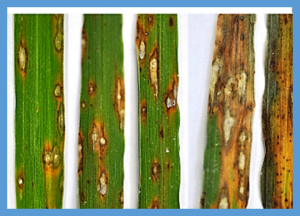
Basal or partial resistance has been considered race-non-specific and broad-spectrum. Therefore, the identification of genes or quantitative trait loci (QTLs) conferring basal resistance and germplasm containing them is of significance in breeding crops with durable resistance. In this study, we performed a bulked segregant analysis coupled with whole-genome sequencing (BSA-seq) to identify QTLs controlling basal resistance to blast disease in
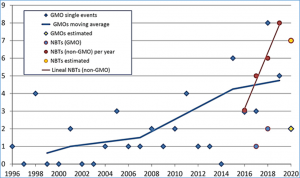
While many countries are still deliberating about regulating products of new breeding techniques, Argentina has now accumulated four years of experience in implementing a pioneer regulation for NBT products. Frontiers in Bioengineering and Biotechnology released an article with an analysis of the effects on economic innovation of such regulations.
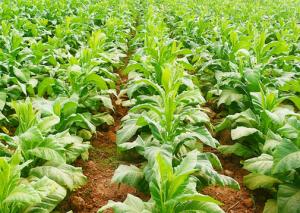
British American Tobacco (BAT) has joined the race in developing a potential vaccine for COVID-19 using a new, fast-growing tobacco plant technology. BAT's biotech subsidiary in the United States, Kentucky BioProcessing (KBP), is developing the potential vaccine for COVID-19 and is now in pre-clinical testing. BAT and KBP work closely with the U.S. Food and Drug Administration (FDA), U.S.