


News & Events

ISAAA monitors the advances in genome editing and its implications in food and agriculture. Articles based on peer-reviewed journals are published every week in the Crop Biotech Update and are summarized in the Genome Editing Resource. This page is available for public use, aiming to stimulate informed discourses and decision making regarding the technology.
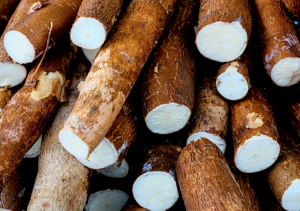
Cassava goes by many names and is one of the world's most important root crops. Starch from this root crop is used to make the chewy pearls in boba tea, the blobs in tapioca pudding, and it is found in a wide variety of gluten-free products. Jessica Lyons, the principal investigator of the cassava genome editing project at Innovative Genomics Institute (IGI) says roughly a billion people around the world rely on cassava as a calorie source, including 40 percent of Africans. Cassava, however, comes with a built-in problem: cyanide and the IGI team is working on cyanide-free cassava using CRISPR genome editing technology.
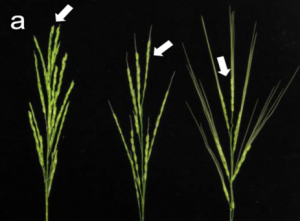
Awns are bristle-like organs at the tips of the glumes. Wild rice has maintained long awns for successful seed propagation through seed dispersal. Seed awning is an interesting trait in rice domestication. Long awns might have been beneficial for seed gatherers in the initial phase of domestication; however, awnless phenotypes were preferably selected in a later phase with non-seed-shattering plants. Investigation of domestication loci associated with awnlessness in cultivated rice will be useful in clarifying the process and history of rice domestication.

Medicago announced that it has administered the first doses of its vaccine against COVID-19 to human volunteers. The results are expected to come out as early as October of this year. The Quebec City-based company is able to develop a clinical-grade vaccine candidate in a matter of weeks using plant-based technology. They create their products with virus-like particles (VLP) instead of animal products or live viruses. The VLPs mimic the shape of the virus and allows the human body to recognize them, thus creating an immune response in a non-infectious way.

Agricultural Economist Graham Brookes of PG Economics is the latest featured expert in the ISAAA Webinar series. His talk focused on the latest PG Economics' report on the economic and environmental impact of genetically modified (GM) crops globally for the past 23 years. "GM crop technology continues to make an important contribution to reducing the environmental footprint of agriculture and securing global food supplies in a sustainable way.
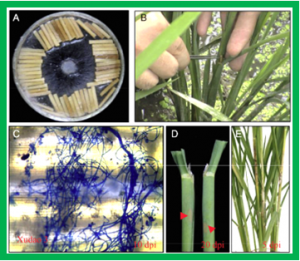
MicroRNAs (miRNAs) are about 22 nucleotides regulatory non-coding RNAs that play versatile roles in reprogramming plant responses to biotic and abiotic stresses. However, it remains unknown whether miRNAs confer the resistance to necrotrophic fungus Rhizoctonia solani in rice. To investigate whether miRNAs regulate the resistance to R. solani, we constructed 12 small RNA libraries from susceptible and resistant rice cultivars treated with water/pathogen at 5 h post inoculation (hpi), 10 hpi and 20 hpi, respectively.
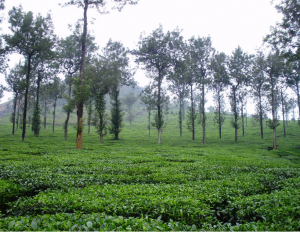
The International Fund for Agricultural Development (IFAD), Mars, Incorporated and World Agroforestry (ICRAF) have agreed to collaborate on a five-year research-in-development project, Sustainable Farming in Tropical Asian Landscapes (SFITAL) to explore environmentally sustainable ways to link small-scale producers to global supply chains.
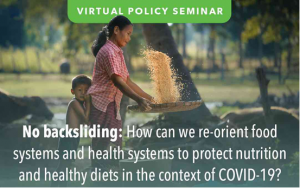
The COVID-19 pandemic—and the resulting economic crisis and disrupted food and health systems—will likely severely worsen all forms of malnutrition globally. In the short to medium term, micronutrient deficiencies, child wasting and stunting, and overweight and obesity are all expected to surge, stemming the tide of recent progress toward achieving the World Health Assembly’s 2025 Global Nutrition Targets.
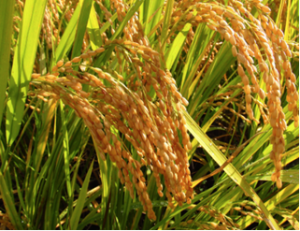
The present study evaluated submergence responses in 88 lowland indigenous rice (Oryza sativa L.) landraces from Koraput, India, to identify submergence-tolerant rice genotypes. In pot experiments, variations in survival rate, shoot elongation, relative growth index, dry matter, chlorophyll, soluble sugar and starch contents were evaluated in two consecutive years under well-drained and completely submerged conditions.
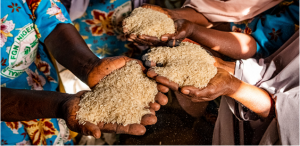
The latest edition of the State of Food Security and Nutrition in the World, published today, estimates that almost 690 million people went hungry in 2019 – up by 10 million from 2018, and by nearly 60 million in five years. High costs and low affordability also mean billions cannot eat healthily or nutritiously. The hungry are most numerous in Asia, but expanding fastest in Africa. Across the planet, the report forecasts,
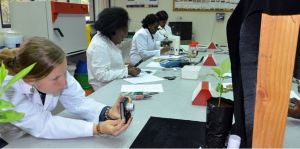
We have all heard the figures: by 2050, the world’s population is expected to increase to nearly 10 billion, and most estimates suggest an increase in global food demand over the same period of at least 50 percent. Alongside that, we’re in the midst of a climate crisis. Carbon dioxide levels in the atmosphere are reported to be the highest they’ve ever been in human history, while swarms of locusts are plaguing East Africa and India, and huge dust clouds are crossing from the Sahara desert to the Gulf of Mexico over the Atlantic Ocean.
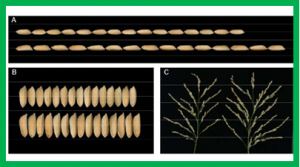
Grain size is one of the critical agronomic traits governing grain yield and quality in rice. However, the underlying genetic mechanisms that control grain size in rice are poorly understood. We used an introgression line derived from Zhonghui 8015 and Oryza rufipogon Griff.