


News & Events
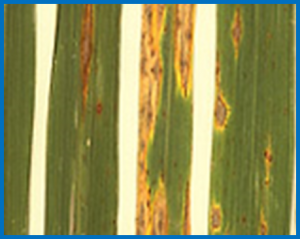
The rice blast (fungal pathogen: Magnaporthe oryzae and host: Oryza sativa) is one of the most important model pathosystems for understanding plant-microbe interactions. Although both genome sequences were published as the first cases of pathogen and host, only a few in planta transcriptome data during infection are available. Due to technical difficulties, previously reported fungal transcriptome data are not highly qualified to comprehensively profile the expression of fungal genes during infection.

Genebanks of six global research institutions including ICRISAT have begun a 100-year experiment at the Svalbard Global Seed Vault in a quest to know how long seeds live. Data from seeds of 13 crops, four of which will be provided by ICRISAT’s genebank in India, will be collected during the experiment. “ICRISAT will bring seeds of chickpea, groundnut, pearl millet and pigeonpea to the experiment during 2022-23. The seeds will be tested initially before being put in the vault for storage at -18 degree Celsius.

The CGIAR is going through a dynamic reformulation that advances integration of its partnerships, knowledge, assets, and global presence to transform progress in key areas where innovation is needed to deliver on the Sustainable Development Goals by 2030. Moving forward, the One CGIAR will implement a phased approach to research delivery with the imperative of seeking multiple benefits across CGIAR’s impact areas, co-creation with partners, and enhanced performance for effectively responding to the food security and related human welfare as well as climatic challenges.
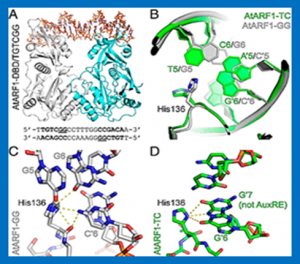
The hormone auxin controls many aspects of the plant life cycle by regulating the expression of thousands of genes. The transcriptional output of the nuclear auxin signaling pathway is determined by the activity of AUXIN RESPONSE transcription FACTORs (ARFs), through their binding to cis-regulatory elements in auxin-responsive genes. Crystal structures, in vitro, and heterologous studies have fueled a model in which ARF dimers bind with high affinity to distinctly spaced repeats of canonical AuxRE motifs.
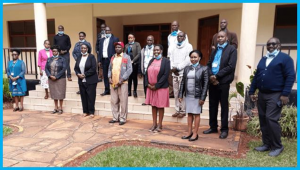
Rice is one of the priority crops in the Big4 Agenda in Kenya and a priority value chain in the Agriculture Sector Transformation and Growth Strategy (ASTGS, 2019-2029). Rice consumption has been growing much more rapidly in the country than production and is expected to reach 1,292,000 tons by 2030.
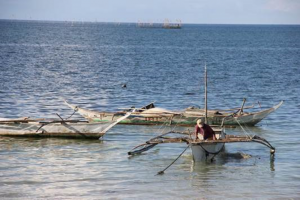
Employing a systems approach to build the resilience of all actors in aquatic food systems is essential to tackle the double-threat of climate change and COVID-19, said experts during a virtual dialogue hosted by WorldFish. Aquatic foods play an important role as an affordable protein for nutrition and food security and in shifting global consumption away from high-carbon diets, crucial in accelerating the food systems transformation needed to keep global warming below 1.5 degrees above pre-industrial level.
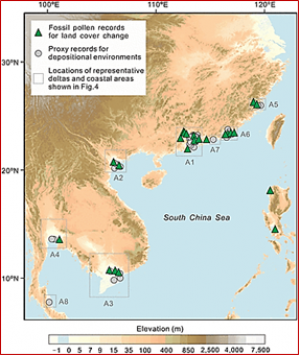
Rice agriculture is the foundation of Asian civilizations south of the Yangtze River. Although rice history is well documented for its lower Yangtze homeland area, the early southward expansion of paddy rice farming is poorly known. Our study investigates this process using a compilation of paleoenvironmental proxies from coastal sediment cores from southeast China to Thailand and Island Southeast Asia. We propose that a shortage of land suitable for paddy fields, caused by marine transgression, constrained rice agriculture during the mid-Holocene.
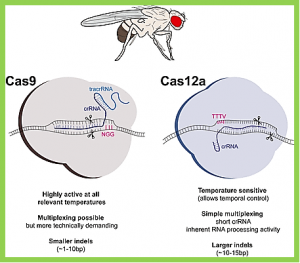
For well over a century, geneticists have relentlessly bombarded the genome of the fruit fly Drosophila melanogaster with increasingly sophisticated mutagenic agents (1). Collectively, these loss-of-function studies have been astoundingly informative, providing fundamental breakthroughs in nearly all fields of biology (2, 3). Initially, such studies relied on mutagens that attack the genome in quasirandom locations,
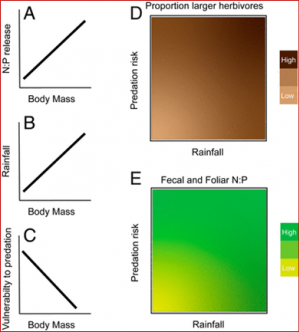
Scientists have long pondered what the world might have been like during the geological epochs immediately predating the late Pleistocene extinction events, when very large, wild mammals occupied almost every ecosystem on Earth (1⇓⇓–4). By piecing together whatever evidence can be gathered from the fossil record, it is speculated that these megasized species (i.e., species with body masses ranging from as small as tens of kilograms to as large as thousands of kilograms) had profound impacts on ecosystems worldwide.
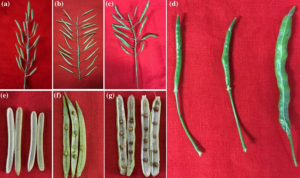
Ogura cytoplasmic male sterility (CMS) is the most widely used sterile type in seed production for commercial hybrids of Brassica oleracea vegetables. However, the natural Ogura CMS restorer line has not been found in B. oleracea crops. In this study, the triploid strategy was used with the aim to create euploid B. oleracea progenies with the Rfo gene. The allotriploid AAC hybrid YL2 was used as a male parent to backcross with Ogura CMS Chinese kale
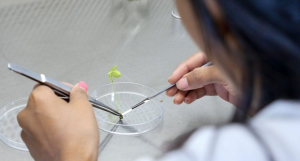
To better accomplish its mission by providing improved crop varieties to smallholder farmers, ICRISAT is overhauling its breeding program with regional crop improvement hubs, improved inventory processes, new facilities and capacity building to make them more rapid, efficient and productive.
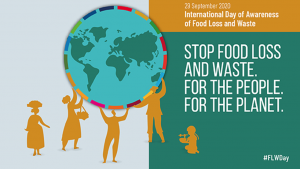
Globally, around 14 percent of food produced is lost between harvest and retail. Significant quantities are also wasted in retail and at the consumption level. When food is loss or wasted, all the resources that were used to produce this food -, including water, land, energy, labour and capital – go to waste. In addition, the disposal of food loss and waste in landfills, leads to greenhouse gas emissions, contributing to climate change.