


News & Events
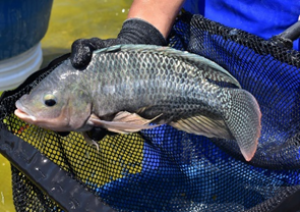
New research from the University of Kent's School of Economics sheds light on a long-standing obstacle to improving agricultural productivity in developing countries—the reluctance of small-scale farmers to adopt modern technologies because of the risks associated with them. The researchers conducted a series of psychological experiments with aquafarmers in 30 villages in four regions in southern Ghana to measure their aversion to risk and willingness to take gambles
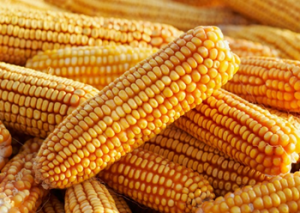
Food Standards New Zealand Australia (FSANZ) calls for public comment for an application for the sale and use of food derived from herbicide tolerant and insect-protected corn line DP23211. FSANZ has assessed the application made by Dow AgroSciences Australia Pty Ltd for GM corn DP23211, a line with tolerance to the herbicide glufosinate and is protected against corn rootworm insect pests. The supporting document to Application A1202 states that no potential public health and safety concerns have been identified in the assessment of herbicide tolerant and insect-protected corn line DP23211.
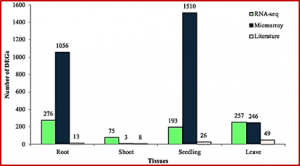
A total of 3449 DEGs were detected in 46 meta-QTL positions, among which 1286, 86, 1729 and 348 DEGs were observed in root, shoot, seedling, and leaves tissues, respectively. Moreover, functional annotation of DEGs located in the meta-QTLs suggested some involved biological processes (e.g., ion transport, regulation of transcription, cell wall organization and modification as well as response to stress) and molecular function terms (e.g., transporter activity, transcription factor activity and oxidoreductase activity). Remarkably, 23 potential candidate genes were detected in Saltol and hotspot-regions overlying original QTLs for both yield components and ion homeostasis traits;
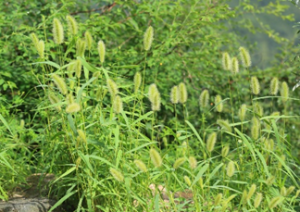
Dr. Elizabeth Kellogg and her team at Donald Danforth Plant Science Center (Danforth Center) has generated the genome sequences of nearly 600 green millet plants and released a very high-quality reference Setaria viridis genome sequence. Their analysis also led to the identification of a gene related to seed dispersal in wild populations for the first time.
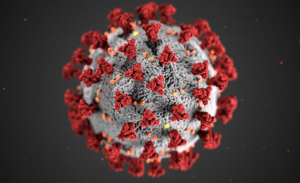
Researchers at Scripps Research led by Dr. Matthew Disney have created drug-like compounds that, in human cell studies, bind and destroy the pandemic coronavirus' so-called "frameshifting element" to stop the virus from replicating. The frameshifter is a clutch-like device that the virus needs to generate new copies of itself after infecting cells. In collaboration with Iowa State University Assistant Professor Walter Moss, the team analyzed and predicted the structure of molecules encoded by the viral genome, in search of its vulnerabilities.

The CRISPR-Cas system is now revolutionizing agriculture by allowing researchers to generate various desired mutations in plants at will. In particular, DNA-free genome editing via Cas9-ribonucleoproteins (RNPs) delivery has many advantages in plants; it does not require codon optimization or specific promoters for expression in plant cells; furthermore, it can bypass GMO regulations in some countries
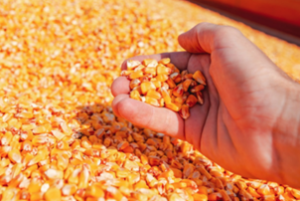
Transgenic hybrid corn seeds developed by Cuba's Centro de Ingeniería Genética y Biotecnología (CIGB) were recorded to have performed well during its harvest in central Cuba. Based on the amount that was harvested, it is possible for the country to reduce imports of corn for animal feed in the future. The transgenic corn that was harvested by the Juan Darias de Yaguajay Cooperative from the province of Sancti Spiritus amounted between 4.6 and 6 tons per hectare
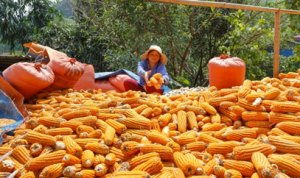
A farmer survey conducted in Vietnam in 2018-2019 revealed that planting genetically modified (GM) corn significantly reduced production cost, increased farmers' income, and decreased pesticide use. The findings support countless studies about the benefits of GM crops that were previously completed and published.

With the development of doubled haploid (DH) technology, the main task for a maize breeder is to estimate the breeding values of thousands of DH lines annually. In early-stage testcross testing, genomic selection (GS) offers the opportunity of replacing expensive multiple-environment phenotyping and phenotypic selection with lower-cost genotyping and genomic estimated breeding value (GEBV)-based selection.

FAO Director-General QU Dongyu today met the Regional Coordinator of the Parliamentary Front against Hunger (PFH) in Latin America and the Caribbean, Jairo Flores, who is also a Deputy of the Congress in Guatemala, to discuss ways of strengthening the collaboration between FAO and Parliaments in the region to fight poverty, hunger and malnutrition. The Deputy Coordinator of PFH for the Caribbean, Hamlet Sánchez Melo, Deputy of the National Congress in the Dominican Republic, also attended the meeting.
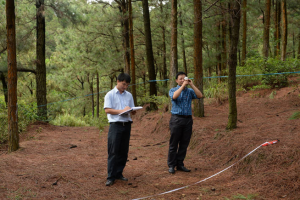
Transformational change is needed in the way we manage our forests and their biodiversity, produce and consume our foods and interact with nature, if we want to build back better after the COVID-19 pandemic and achieve the Sustainable Development Goals. This was the key message of a speech delivered today by FAO Director-General QU Dongyu at the 25th session of the Committee on Forestry (COFO).
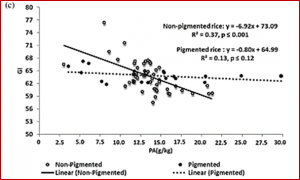
Rice Khira and Mugai which had very low PA (0.30 and 0.36 g kg-1 , respectively) had higher GI values and α-amylase activity, while Nua Dhusara and the pigmented rice Manipuri black rice (MBR) which had high PA (2.13 and 2.98 g kg-1 , respectively) showed low α-amylase activity and GI values. This relationship was statistically significant, though a weak relationship was found for the pigmented rice.