


News & Events
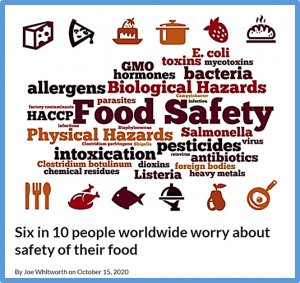
The Lloyd's Register Foundation World Risk Poll conducted by Gallup in the second half of 2019 reveals that up to 60 percent of people worldwide are worried the food they eat will harm them in the next two years. More than half of the survey participants also expect that they will be seriously harmed in the coming years by eating unsafe food. Gallup interviewed 150,000 people in 142 countries.
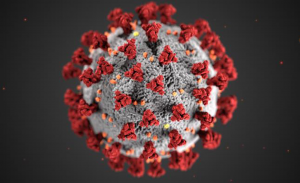
New research from two separate papers shows that SARS-CoV-2, the virus that causes COVID-19, uses a receptor called neuropilin-1 to efficiently infect human cells. Neuropilin-1 is very abundant in many human tissues including the respiratory tract, blood vessels, and neurons. Unlike other respiratory viruses, SARS-CoV-2 also infects the upper respiratory system including the nasal mucosa, and consequently spreads rapidly.
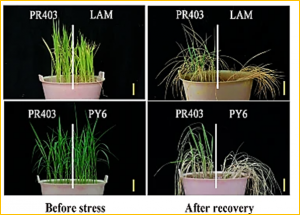
The QTL dss-1 was mapped onto the short arm of chromosome 1 of rice. According to transcriptomic analysis, the identified differentially expressed genes (DEGs) exhibited a downregulated pattern and were mainly enriched in photosynthesis-related GO terms, indicating that photosynthesis was greatly inhibited under drought. Further, according to weighted gene coexpression network analysis (WGCNA)
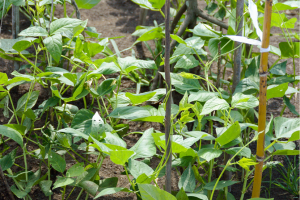
Genetically engineered cowpea will be requested for commercial approval in Ghana in November, according to Savannah Agricultural Research Institute (SARI). SARI is one of the institutes of the Council for Scientific and Industrial Research that is tasked to develop enhanced crop varieties to help the farmers in the northern part of the country and beyond.
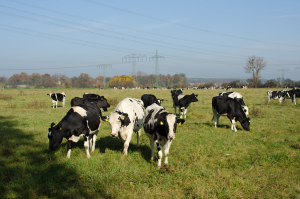
Gene EDITING tools are now unlocking new strategies to improve natural and agricultural carbon sinks, limit emissions from agriculture and other major sectors contributing to greenhouse gas (GHG) emissions, and revolutionize biofuels. These are discussed by David Hart, Robert Rozansky, and Val Giddings in their article published in the Genetic Literacy Project.

Genomic selection (GS) can be an efficient and cost-effective breeding approach which captures both small- and large-effect genetic factors and therefore promises to achieve higher genetic gains for complex traits such as yield and oil content in groundnut. A training population was constituted with 340 elite lines followed by genotyping with 58 K ‘Axiom_Arachis’ SNP array and phenotyping for key agronomic traits at three locations in India.

The FAO Regional Conference for Africa is a forum to discuss current country and regional priorities and pressing issues in the region including the COVID-19 pandemic’s impacts on food security and nutrition, the urgent need for food systems transformation, and innovations and partnerships to drive progress towards the Sustainable Development Goals.

Agriculture ministers from across Africa, representatives from the African Union, the civil society and the private sector, and other partners, recognized the role FAO's Hand-in-Hand Initiative can play in ending poverty and hunger and meeting the agreed goals under the 2030 Agenda for Sustainable Development and the Malabo Declaration. They spoke at today's Ministerial Session on the Hand-in-Hand initiative, during FAO's 31st Session of the Regional Conference for Africa.
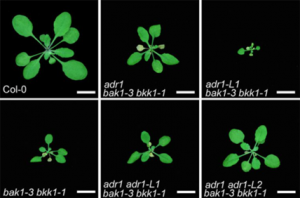
Plants utilize a two-tiered immune system consisting of pattern recognition receptor (PRR)-triggered immunity (PTI) and effector-triggered immunity (ETI) to defend themselves against pathogenic microbes. The receptor protein kinase BAK1 plays a central role in multiple PTI signaling pathways in Arabidopsis. However, double mutants made by BAK1 and its closest paralog BKK1 exhibit autoimmune phenotypes,
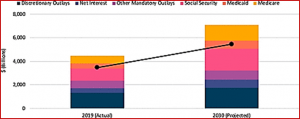
Pain is a signal of distress in the body. It can erode one’s ability to work or to enjoy life. Some people try to numb pain with painkillers, illicit drugs, and alcohol, and intolerable pain is implicated in suicide and other deaths of despair (1⇓–3). Pain is commonly triggered by disease or an impairment in physical functioning. However, pain can also be triggered by social or psychological distress
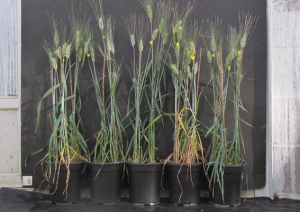
Scientists have faced the difficulty of growing plants from cells after tweaking their genomes. A new tool will now help this process by coaxing transformed cells, including those modified with the gene-editing system CRISPR-Cas9, to regenerate new plants. Howard Hughes Medical Institute (HHMI) investigator Jorge Dubcovsky and his colleagues looked at two growth-promoting genes, GRF and GIF, that work together in young tissues or organs of plants ranging from moss to fruit trees
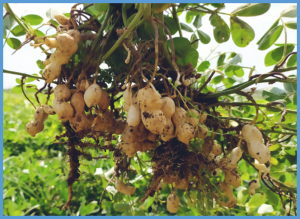
We performed a genome-wide characterization of NAC genes from the diploid wild peanut species Arachis duranensis and Arachis ipaensis, which included analyses of chromosomal locations, gene structures, conserved motifs, expression patterns, and cis-acting elements within their promoter regions. In total, 81 and 79 NAC genes were identified from A. duranensis and A. ipaensis genomes.