


News & Events

Tomato accession T431 produces stigmas under relatively high temperatures (> 27 °C, the average temperature in Harbin, China, in June–August), so pollen can rarely reach the stigma properly. This allows the percentage of male sterility exceed 95%, making the use of this accession practical for hybrid seed production. To investigate the mechanism underlying the exserted stigma male sterility, the morphological changes of, anatomical changes of, and comparative endogenous hormone (IAA, ABA, GA3, ZT, SA) changes in flowers during flower development of tomato accessions DL5 and T431 were measured.
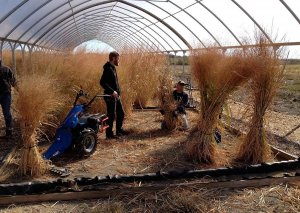
A collaborative team effort led by researchers from the University of Texas at Austin, the HudsonAlpha Institute for Biotechnology, and the U.S. Department of Energy Joint Genome Institute has produced a high-quality reference sequence of the complex switchgrass genome. The samples for the research project were collected from 10 experimental gardens located in eight states.

The Punjab Seed Council approved two new Bt cotton varieties bringing a sizeable increase in production and enhancing yield potential up to 50 maunds, agriculture officials said. The varieties have high fiber properties as well as resistance to viruses and high productivity. Dr. Zahid Mahmood, Director, The Central Cotton Research Institute Director Dr. Zahid Mehmood said the approved varieties have the potential to withstand high temperatures and give excellent yields in less available water.
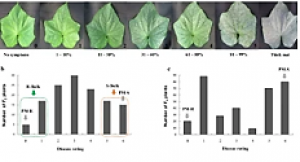
Hypocotyl growth is a vital process in seedling establishment. Hypocotyl elongation after germination relies more on longitudinal cell elongation than cell division. Cell elongation is largely determined by the extensibility of the cell wall. Here, we identified a spontaneous mutant in cucumber (Cucumis sativus L.), sh5.1, which exhibits a temperature-insensitive short hypocotyl phenotype. Genetic analysis showed that the phenotype of sh5.1 was controlled by a recessive nuclear gene. CsSh5.1 was mapped to a 57.1 kb interval on chromosome 5, containing eight predicted genes.
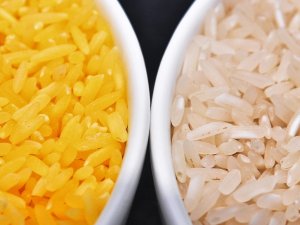
A team of scientists from the International Rice Research Institute (IRRI), Philippine Rice Research Institute (PhilRice), and Bangladesh Rice Research Institute (BRRI) reported that Golden Rice (GR2E) introgression lines showed significant amounts of carotenoids in the milled grains. The researchers used marker-assisted backcross breeding to transfer the GR2E trait into three local rice varieties.
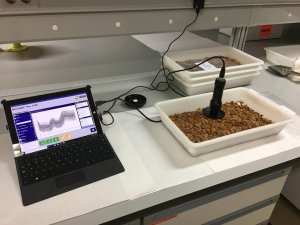
A group of researchers from the University of Cordoba, in partnership with Andalusian Institute of Agricultural Research and Training's Alameda del Obispo Center, developed a tool to determine the sweetness or bitterness of almonds in real-time. The researchers designed a new system that uses portable Near Infrared Spectroscopy (NIRS) to predict the levels of amygdalin present in the nuts with or without its shell.
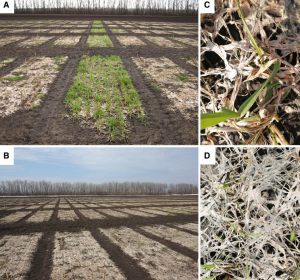
Snow mold resistance in winter cereals is an important trait for many countries in the Northern Hemisphere. The disease is caused by at least four complexes of soilborne fungi and oomycetes of which Microdochium nivale and M. majus are among the most common pathogens. They have a broad host range covering all winter and spring cereals and can basically affect all plant growth stages and organs. Their attack leads to a low germination rate, and/or pre- and post-emergence death of seedlings after winter and, depending on largely unknown environmental conditions, also to foot rot, leaf blight, and head blight.
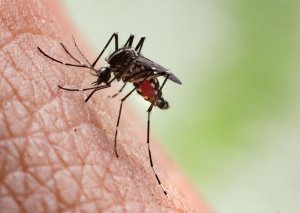
A research study conducted at the University of Missouri (UM) is genetically modifying mosquitoes to be resistant to the Zika virus altogether. Alexander Franz, an associate professor in the MU College of Veterinary Medicine, collaborated with researchers at Colorado State University by using CRISPR gene-editing technology to produce mosquitoes that are unable to replicate the Zika virus and therefore cannot infect humans through biting.

While vaccinations against SARS-CoV-2 have already begun in many countries, effective medication for COVID-19 treatment has not yet been identified. Scientists at Max Planck Institutes (MPI) are now closely investigating the surface structures of SARS-CoV-2 and the processes by which the virus replicates in infected cells to find new targets for possible therapies. Martin Beck and Gerhard Hummer and their working groups at the Max Planck Institute of Biophysics in Frankfurt, Germany have been studying the structure of the spike protein in detail.

According to Global Status of Commercialized Biotech/GM Crops: 2019 (ISAAA Brief No. 55), 190.4 million hectares of biotech crops were grown in 29 countries in 2019, contributing significantly to food security, sustainability, climate change mitigation, and upliftment in the lives of up to 17 million biotech farmers and their families worldwide. Double-digit growth rates in biotech crop areas were recorded in developing countries, particularly in Vietnam, the Philippines, and Colombia.
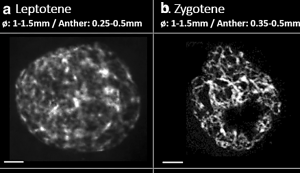
Meiotic recombination plays a crucial role in plant breeding through the creation of new allelic combinations. Therefore, lack of recombination in some genomic regions constitutes a constraint for breeding programmes. In sugar beet, one of the major crops in Europe, recombination occurs mainly in the distal portions of the chromosomes, and so the development of simple approaches to change this pattern is of considerable interest for future breeding and genetics.

White mold, also known as sclerotinia, is a fungal pathogen that can affect 14-30% of canola fields every year and can reduce yields by up to 50%. Thus, researchers at Cibus used their Rapid Trait Development System (RTDS) which involves gene editing without incorporating a foreign gene in the crop, thus retaining its non-GM status.