


News & Events
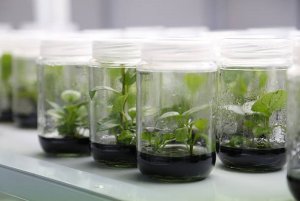
The team of scientists discovered an evolutionarily conserved protein that plays a unique role in regulating stress responses and key developmental transitions such as seed germination and flowering. The scientists then applied sugar modification of this protein which gives nutrient availability to plants to adjust its adaptation to environmental stress and control its seed germination and flowering time.

Japan's Ministry of Agriculture, Forestry and Fisheries (MAFF) has conducted an annual survey for the past 15 years to monitor any effects genetically modified (GM) rapeseed and GM soybean have on the country's biodiversity. Their latest data showed that both GM crops are not likely to affect biodiversity. The survey started in 2006 and its annual conduct covers approximately 5km in radius from the GM crops' site
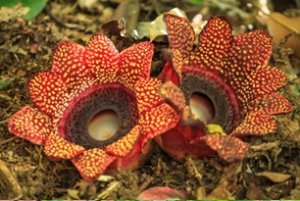
Despite more than 2,000-fold variation in genome size, key features of genome architecture are largely conserved across angiosperms. Parasitic plants have elucidated the many ways in which genomes can be modified, yet we still lack comprehensive genome data for species that represent the most extreme form of parasitism. Here, we present the highly modified genome of the iconic endophytic parasite Sapria himalayana Griff
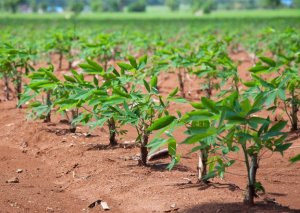
An international team of scientists has successfully developed cassava with high-level resistance to cassava mosaic disease (CMD), cassava brown streak disease (CBSD), as well as higher levels of iron and zinc. This is the first time that disease resistance and multiple biofortification traits have been stacked in this manner in a non-cereal crop.
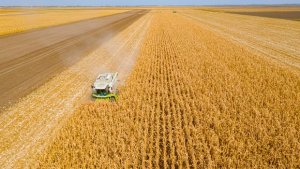
The researchers behind the study emphasized that previous studies did not incorporate the reduction of greenhouse gas (GHG) emissions associated with yield increases of GM crops and that their new analysis included carbon opportunity cost (COC) for land use as a factor, given that increased crop yield reduces the need to clear out new land for agricultural production thereby preventing additional CO2 emissions.
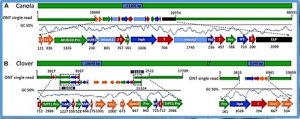
Molecular characterization of genetically modified plants can provide crucial information for the development of detection and identification methods, to comply with traceability, and labeling requirements prior to commercialization. Detailed description of the genetic modification was previously a challenging step in the safety assessment, since it required the use of laborious and time-consuming techniques.
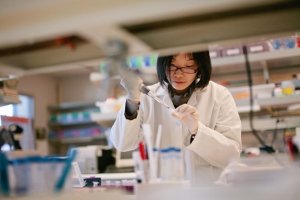
Australian scientists tested a method using a new nanopore technology that was developed for molecular characterization of genetically modified (GM) plants. They documented that the process from extracting the DNA to analyzing the results only took a week, rendering their method faster, simpler, and more cost-effective compared to laborious conventional techniques.
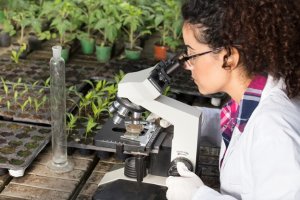
Researchers from the University of Delhi reported the potential of the barley oxalate oxidase (BOxO) gene in conferring stable resistance against stem rot in a productive and highly susceptible brown mustard (Brassica juncea cv Varuna) under field conditions. The findings are published in Transgenic Research.
Sclerotinia Stem Rot (SSR) caused by the oxalic acid (OA)-secreting necrotrophic fungal pathogen Sclerotinia sclerotiorum, causes significant yields losses in the crop Brassica sps. Oxalate oxidase (OxO) can metabolize OA to CO2 and H2O2. Degradation of OA during the early phase of fungal–host interaction can interfere with the fungal infection and establishment processes.
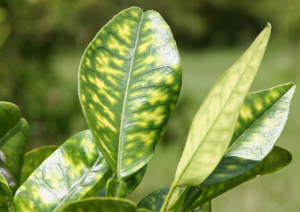
Research conducted by scientists from the University of California Riverside (UC Riverside) has identified that a unique peptide found in an Australian plant can destroy Huanglongbing (HLB) or citrus greening, the top killer of citrus trees worldwide. The UC Riverside research could possibly provide the most effective way of treating the disease through the antimicrobial peptide found in Australian finger lime, a close relative of citrus plants.
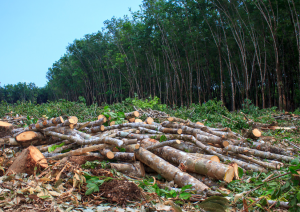
A study conducted by researchers from the University of Cambridge published in the journal Science of the Total Environment provides the first evidence of a mechanism by which climate change could have played a direct role in the emergence of SARS-CoV-2, the virus that caused the COVID-19 pandemic. The study revealed large-scale changes in the type of vegetation in the southern Chinese Yunnan province and adjacent regions in Myanmar and Laos over the last century. Changes such as increases in temperature, sunlight, and atmospheric carbon dioxide
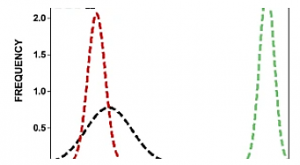
Flowering and plant height are the key life history traits. These are crucial for adaptation and productivity. Current investigations aimed to examine genotypic differences governing days to flowering, maturity and plant height under contrasting day-length conditions; and identify genomic regions governing the observed phenotypic variations. An association panel comprising 195 inbred lines, representing natural (NR) and derived (DR) forms of Brassica rapa (AA; 2n = 20), was evaluated at two sowing dates and two locations, representing different day-length regimes.