


News & Events

Plant mitochondrial genomes sometimes carry cytoplasmic male sterility (CMS)-associated genes. These genes have been harnessed in agriculture to produce high-yielding F1 hybrid seeds in various crops. The gene orf352 was reported to be an RT102-type CMS gene in rice (Oryza sativa), although a causal demonstration of its role in CMS is lacking. Here, we employed mitochondrion-targeted transcription activator-like effector nucleases (mitoTALENs)
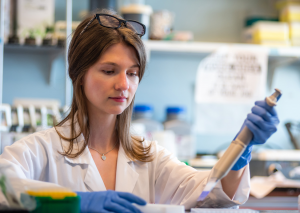
Health Canada has declared that gene-edited crops are safe. Health Canada launched a public consultation for the Proposed new guidance for Novel Food Regulations focused on plant breeding on March 25 and closes on May 24, 2021. The consultation proposes new rules that will deal with plant breeding innovations, including gene-edited crops. However, a group has raised concerns about such plant breeding techniques. Health Canada's position is clear in their response given through a letter signed by Karen E. McIntyre, Director General of the Food Directorate.
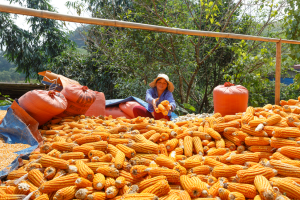
Biotech maize adoption in Vietnam shows positive impacts of higher productivity, increased farmer income, and environmental improvement, according to the speakers of the webinar Contributions of Agricultural Biotechnology Adoption in Vietnam held in a hybrid event today hosted in Hanoi, Vietnam. Vietnam Seed Trade Association (VSTA), together with the Vietnam Farmers' Union (VFU), and ISAAA co-organized the webinar attended by representatives of state management agencies
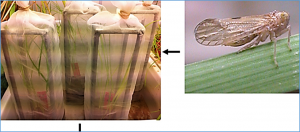
Strategies are still employed to reduce insect damage in crop production, including conventional breeding with wild germplasm resources and transgenic technology with foreign genes' insertion. Cultivated and Bt-transgenic rice (Oryza sativa) and two ecotypes of wild rice (O. rufipogon) were treated by a 72 h feeding of brown plant hopper (Nilaparvata lugens). Under the feeding of N. lugens, compared with the cultivated rice (568 and 4),
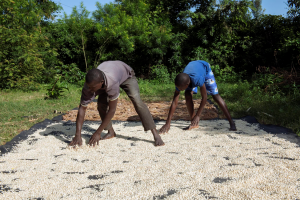
Our climate is so closely connected to our food systems that even if fossil fuels were eliminated today, emissions from farming mean global temperatures would likely still increase by at least 1.5 degree Celsius. Yet at the same time, more than 150 million people currently face acute hunger in a growing food crisis compounded by extreme weather, conflict, and the COVID-19 pandemic, apparently pitting the needs of the population against the limits of the planet.
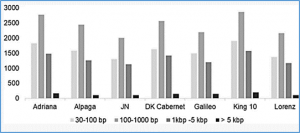
Perfect timing of flowering is crucial for optimal pollination and high seed yield. Extensive previous studies of flowering behavior in Brassica napus (canola, rapeseed) identified mutations in key flowering regulators which differentiate winter, semi-winter and spring ecotypes. However, because these are generally fixed in locally adapted genotypes, they have only limited relevance for fine adjustment of flowering time in elite cultivar gene pools

Today, 1 April 2021, the FAO Director-General, QU Dongyu, had a virtual meeting, with Dr Jim Godfrey, Chair Board of Trustees of International Rice Research Institute (IRRI) and Dr Jean Balié, Director-General, (IRRI). The Director-General welcomed the IRRI’s new Director General and expressed his appreciation for FAO and IRRI’s long-standing partnership and work on the ground.
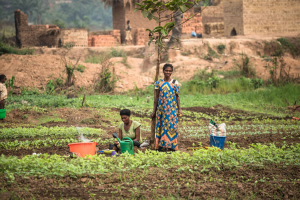
In the Democratic Republic of the Congo (DRC), the food security situation remains dire with one in three people - a record high - suffering from acute hunger, two United Nations agencies, the Food and Agriculture Organization (FAO) and the World Food Programme (WFP) warned today.The number of people affected by high acute food insecurity in the DRC is estimated at 27.3 million or one in three people, including nearly seven million people grappling with emergency levels of acute hunger (IPC 4), according to the latest Integrated Phase Classification (IPC) analysis.
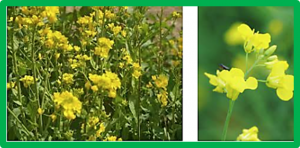
In plant breeding, hybrids gained particular importance due to heterosis, the superior performance of offspring compared to their inbred parents. Since the development of new top performing hybrids requires labour-intensive and costly breeding programmes, including testing of large numbers of experimental hybrids, the prediction of hybrid performance is of utmost interest to plant breeders.
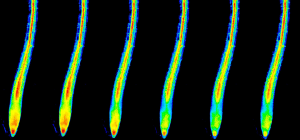
A team of German and Chinese researchers has shown, for the first time, where and how plants detect potassium deficiency in their roots, and which signaling pathways coordinate the adaptation of root growth and potassium absorption to uphold potassium supply. The absorption and transportation of potassium at the level of individual cells have been well characterized, but it was unknown how plants detect potassium availability in the soil.
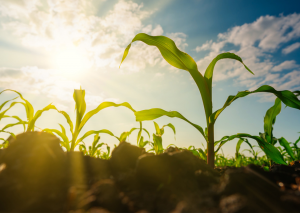
During periods of drought, plants use a signaling molecule that animals use to limit their water loss and gives them a kind of memory of how dry the day was. The team of Professor Rainer Hedrich, plant scientist and biophysicist from the Julius Maximilians University (JMU) Würzburg discovered this new strategy together with a team from the University of Adelaide in Australia.
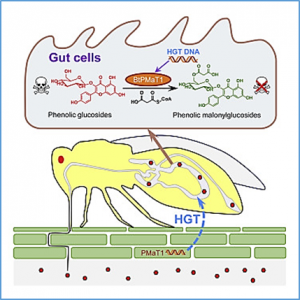
Plants protect themselves with a vast array of toxic secondary metabolites, yet most plants serve as food for insects. The evolutionary processes that allow herbivorous insects to resist plant defenses remain largely unknown. The whitefly Bemisia tabaci is a cosmopolitan, highly polyphagous agricultural pest that vectors several serious plant pathogenic viruses and is an excellent model to probe the molecular mechanisms involved in overcoming plant defenses. Here, we show that, through an exceptional horizontal gene transfer event, the whitefly has acquired the plant-derived phenolic glucoside malonyltransferase gene BtPMaT1.