


News & Events
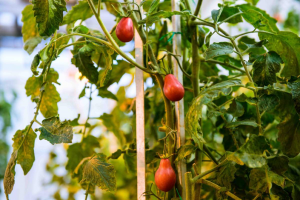
A team of researchers from Weizmann Institute of Science identified the reason for the bitter taste in tomatoes which could be used to enhance its breeding. The team documented a comprehensive profile of 600 lines of local tomato and hybrid species and compared their genomes by correlating the differences in their qualities. They found that alpha-tomatine is the toxic substance that causes bitterness in tomatoes. Alpha-tomatine is converted into non-bitter metabolites as the tomato ripens.
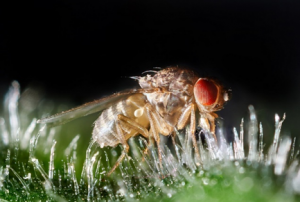
Here, we enabled endogenous CRISPR/Cas9 and CRISPR/Cas12a activity during spermatogenesis of the Mediterranean fruit fly Ceratitis capitata, a worldwide agricultural pest of extensive economic significance. In the absence of a chromosome-level assembly, we analysed long- and short-read genome sequencing data from males and females to identify two clusters of abundant and X-chromosome-specific sequence repeats
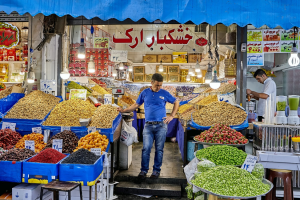
A group of Iranian scientists documented the current status of transgenic crops in Iran in their paper published in Scientific Reports. It traces the historical events of the transgenic crop industry in the country as well as an in-depth analysis of how the global biotech crop scenario affects Iran's biotech field. The study aimed to investigate the economic impacts and political scopes of genetically modified (GM) foods, and the policies made by different countries in the world and Iran.
A research team led by environmental toxicologist Jason White at the Connecticut Agricultural Experiment Station is fortifying crops with nutrients in nanosized packages to boost plant's immunity against pathogenic fungi in a more efficient manner than traditional methods. Their success is reported in Plant Disease. Fungal diseases destroy a third of all harvests, posing a big threat to global food security. To combat fungal pathogens, farmers fumigate the soil with chemicals
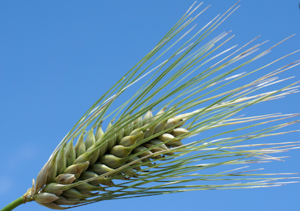
This study aimed at quantifying breeding progress achieved in resistance breeding towards varieties with higher yield and lower susceptibility for 6 major diseases, as well as estimating decreasing yields and increasing disease susceptibility of varieties due to ageing effects during the period 1983–2019. A further aim was the prediction of disease-related yield reductions during 2005–2019 by mixed linear regression models using disease severity scores as covariates.
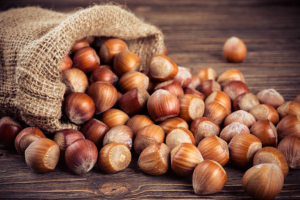
Researchers from Nanjing Agricultural University reported an enhanced and comprehensive genome of the Chinese hazelnut which consists of valuable information for its molecular breeding and genetic improvement. The researchers used de novo whole-genome sequencing and identified 764 genes involved in oil biosynthesis, 96 of which are directly involved in the biosynthesis of oleic acid.

Researchers at Oklahoma State University led by Liuling Yan have discovered and cloned the TaOGT1 gene in the popular Billings wheat variety. This gene discovery could mean larger yields for wheat producers, the researchers said. The newly-discovered gene, considered a missing link in wheat's genetic puzzle, will enable researchers to fine-tune crop maturity for specific use: cattle grazing, grain-only, or short-season wheat. Without this fourth genetic piece, the other three pieces were not clear.
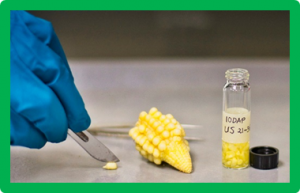
Maize (Zea mays L.) Ufo1-1 is a spontaneous dominant mutation of the unstable factor for orange1 (ufo1). We recently cloned ufo1, which is a Poaceae specific gene expressed solely during seed development in maize. Here we have characterized Ufo1-1 and a loss-of-function Ds insertion allele (ufo1-Dsg) to decipher the role of ufo1 in maize. We found that both ufo1 mutant alleles impact sugars and hormones, and have defects in the basal endosperm transfer layer (BETL) and adjacent cell types.

The Food and Agriculture Organization of the United Nations (FAO) and the World Food Programme (WFP) announced a virtual public consultation to collect insights on how the UN agencies can collaborate in key areas of food systems transformation and hunger alleviation in the next years. Results of the consultations will be incorporated in the FAO's Strategic Framework 2022-2031 and WFP's Strategic Plan 2022-2026.

A study conducted at the University of York has confirmed that genetically modified (GM) switchgrass detoxifies residues of the military explosive RDX, left behind on live-fire training ranges, munitions dumps, and minefields. RDX has been used on munitions since WW2 and its use has now resulted in widespread groundwater pollution. The researchers generated the GM switchgrass by inserting two genes from bacteria able to break down RDX.

Gene editing technologies such as transcription activator-like effector nucleases (TALENs) and clustered regularly interspaced short palindromic repeats (CRISPR)/CRISPR-associated 9 (Cas9) systems have been developed to create targeted DNA mutagenesis in many crop plants. This report describes application of the TALEN system to generate bialaphos resistance (bar)-knockout null segregants in herbicide-tolerant rice (Ba15) and microarray analysis on transcriptome changes of mutated lines, to identify unexpected effects resulting from off-targets.

The European Commission has published a study on new genomic techniques (NGTs) that shows the techniques have the potential to contribute to a more sustainable food system as part of the objectives of the European Green Deal and the Farm to Fork Strategy. The study also finds that the current GMO legislation adopted in 2001, is not fit for purpose for these innovative technologies. The Commission will now start a wide and open consultation process to discuss the design of a new legal framework for these biotechnologies.