


News & Events
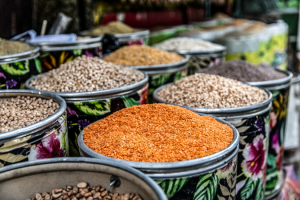
If that sounds familiar, then FAO is here to help. Drawing on our experiences from around the world, we’ve consulted with local cooks, chefs and families to put together some fascinating and useful cookbooks. They’re designed to not only celebrate local cuisines, but to recognise the nutritious value of traditional meals eaten around the globe. Poor diets and disease are some of the top causes of undernutrition, so promoting sustainable, healthy recipes is key to helping households make informed food choices.
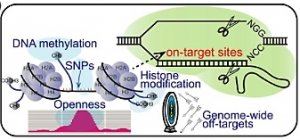
The clustered regularly interspaced short palindromic repeat (CRISPR)-associated protein (Cas) genome editing system (CRISPR-Cas) is revolutionizing agriculture. In this system, a guide sequence that matches to a particular genomic DNA is placed in front of a synthetic RNA that consists of a scaffold sequence necessary for Cas-binding to form a guide RNA (gRNA). gRNA/Cas complex binds to the target DNA that contains a protospacer adjacent motif (PAM) via base-paring and generates a double-strand break (DSB) by Cas protein.

If there was ever a time that made us pay attention to our health, it has been this one of the COVID-19 pandemic. This year has also made that clear that not everything in the world of health is under our control. However, many of us are lucky enough to have a say in one important element and that is what we eat. Healthy diets play an important role in our overall health and immune systems.
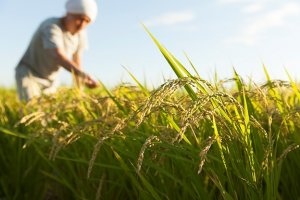
CRISPR-Cas genome editing system is revolutionizing agriculture. To optimize the integration of regulome and genomic variation for cereals, the researchers presented a guide RNA design tool. In this strategy, a guide sequence that matches a particular genomic DNA is placed in front of a synthetic RNA that consists of a scaffold sequence necessary for Cas-binding to form a guide RNA.
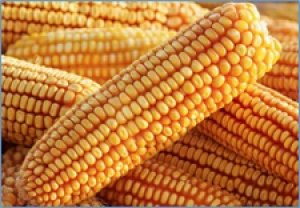
Maize is an important crop that is cultivated worldwide. As maize spread across the world, selection for local environments resulted in variation, but the impact on differences between the genome has not been quantified. By producing high-quality genomic sequences of the 26 lines used in the maize nested association mapping panel, Hufford et al. map important traits and demonstrate the diversity of maize. Examining RNA and methylation of genes across accessions, the authors identified a core set of maize genes.
ISAAA webinar participants from 16 countries were updated on the developments and discussions pertaining to the Convention on Biological Diversity's (CBD) Conference of Parties (COP) to be held in October 2021. The online workshop was organized to prepare experts, officials and regulators from Asia for the agribiotechnology negotiations in the upcoming Conference of the Parties-Meeting of Parties (COPMOP) of the CBD.

Plant breeder Josh Clevenger and computational biologist Walid Korani at HudsonAlpha Institute of Biotechnology have worked together to develop Khufu, a computational tool that can quickly and accurately identify and analyze complex genomes to improve crops for more robust and sustainable agriculture. Clevenger, a faculty investigator, wanted to bridge the gap between science and nature by rapidly introducing beneficial traits into cultivated crops.
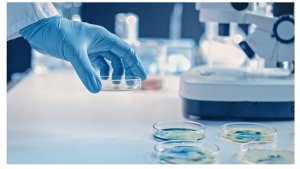
The CRISPR/Cas9 system is now commonly employed for genome editing in various plants such as Arabidopsis, rice, and tobacco. In general, in genome editing of the Arabidopsis genome, the SpCas9 and guide RNA genes are introduced into the genome by the floral dip method. Mutations induced in the target sequence by SpCas9 are confirmed after selecting transformants by screening the T1 seed population. The advantage of this method is that genome-edited plants can be isolated easily.
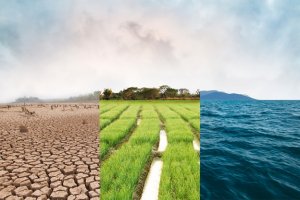
The latest Intergovernmental Panel on Climate Change (IPCC) Report, released on August 9, 2021, reveals that many of the changes observed in the climate are unprecedented in thousands, if not hundreds of thousands of years, and some of the changes already set in motion—such as continued sea level rise—are irreversible over hundreds to thousands of years.
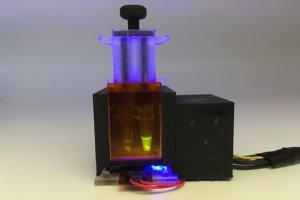
Engineers from the Massachusetts Institute of Technology (MIT) and Harvard University have designed a small tabletop device that can detect SARS-CoV-2 from a saliva sample in about an hour. The diagnostic device relies on CRISPR technology and is just as accurate as the PCR tests now used.
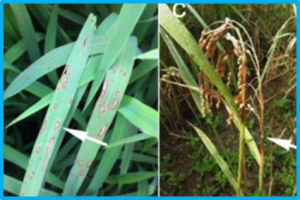
Rice is a key food security crop in Africa. The importance of rice has led to increasing country-specific, regional and multinational efforts to develop germplasm and policy initiatives to boost production for a more food secure continent. Currently, this critically important cereal crop is predominantly cultivated by small-scale farmers under sub-optimal conditions in most parts of sub-Saharan Africa (SSA). Rice blast disease, caused by the fungus Magnaporthe oryzae, represents one of the major biotic constraints to rice production under small-scale farming systems of Africa, and developing durable disease resistance is therefore of critical importance.

If the COVID-19 cases surge continuously in the US during the fall and winter, it is more likely that an even more deadly strain of the virus would evolve and could evade the current vaccines available. This is according to Anthony Fauci, Director of National Institute of Allergy and Infectious Diseases (NIAID) in the US. The surge of COVID-19 cases in the US is caused by the Delta variant, which is known to be more contagious than the original strains of the virus.