


News & Events
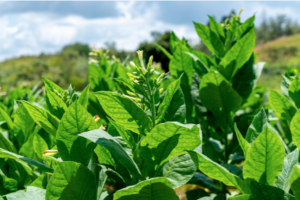
Researchers at Hebei University of Engineering and Sichuan University in China used CRISPR-Cas9 to boost the oleic acid content in tobacco oil. This breakthrough could help improve the properties of bio-diesel derived from tobacco. The results are published in BMC Plant Biology.Tobacco seed oil is a suitable feedstock for bio-diesel production. However, this seed oil is susceptible to oxidation because of its high linoleic acid content.
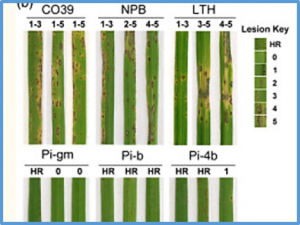
Rice cultivars from japonica and indica lineage possess differential resistance against blast fungus as a result of genetic divergence. Whether different rice cultivars also show distinct metabolomic changes in response to P. oryzae, and their role in host resistance, are poorly understood. Here, we examine the responses of six different rice cultivars from japonica and indica lineage challenged with P. oryzae. Both susceptible and resistant rice cultivars expressed several metabolites exclusively during P. oryzae infection, including the saponin Bayogenin 3-O-cellobioside.
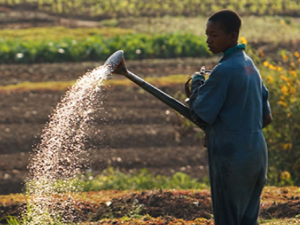
The world needs to produce an estimated 60 percent more food by 2050 to ensure global food security, and it must do so while conserving and enhancing the natural resource base. Water is a major input in the provision of food – from production in the field through all the steps in the value chain. Water is also required to meet personal and household needs, for energy and industrial production, and to maintain important water-dependent ecosystems and ecosystem services.
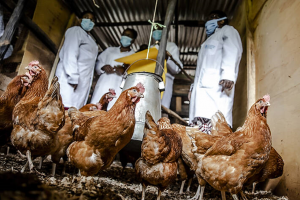
The Global Leaders Group on Antimicrobial Resistance today called upon all countries to significantly reduce the levels of antimicrobial drugs used in global food systems. This includes stopping the use of medically important antimicrobial drugs to promote growth in healthy animals and using antimicrobial drugs more sparingly overall.
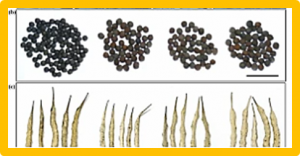
The seed number per silique (SN), an important yield determining trait of rapeseed, is the final consequence of a complex developmental process including ovule initiation and the subsequent ovule/seed development. To explore the genetic mechanism regulating the natural variation of SN and its related components, quantitative trait locus (QTL) mapping was conducted using a doubled haploid (DH) population derived from the cross between C4-146 and C4-58B,

"While we have viable solutions for reducing greenhouse gas emissions for many sectors, agriculture stands out as a glaring exception, and it accounts for nearly a quarter of all global emissions. Plants and microbes can be part of the solution, versus part of the problem, and genome engineering can help make this scale to meet the size of the challenge," IGI Executive Director Brad Ringeisen said in their press release.

Transgenic technology and gene silencing offer new solutions to time-consuming conventional breeding programs applied to important crops including potato. Researchers Sona Dev, Jini Joseph, and Ligi D' Rosario presented the prospects for genome editing of potato in an open-access peer-reviewed chapter in IntechOpen. According to the authors, genetically modified crops face regulatory hurdles and safety concerns.
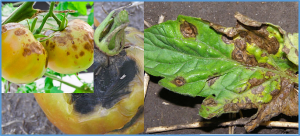
Early blight is a widespread and problematic disease affecting tomatoes (Solanum lycopersicum). Caused by the fungal pathogen Alternaria linariae (syn. A. tomatophila), symptoms include lesions on tomato stems, fruit, and foliage, often resulting in yield losses. Breeding tomatoes with genetic resistance would enhance production sustainability. Using cross-market breeding populations, we identified several quantitative trait loci (QTL) associated with early blight resistance.
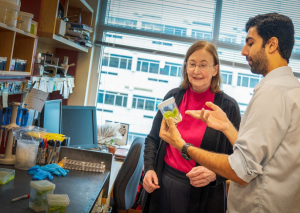
Plant scientists are continuously in a race against time to develop crops with higher yields in order to feed the projected 9 billion people on the planet by 2050. A study led by Dr. Maureen Hanson from Cornell University describes their work in putting elements from cyanobacteria into crop plants for more efficient photosynthesis.Rubisco's reaction to both carbon dioxide and oxygen in the air is a hurdle in improving photosynthesis.
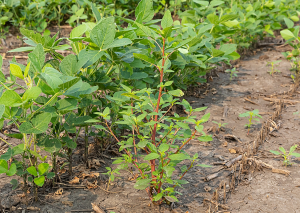
Agricultural weeds resist herbicides in one of two ways. In target-site resistance, a tiny mutation in the plant's genetic code means the chemical no longer fits in the protein it is designed to attack. In non-target-site resistance, the plant deploys a whole slew of enzymes that detoxify the chemical before it can cause harm. Target-site resistance is easy for scientists as they know the target protein and can look directly at the genetic code to figure out the mutation responsible.

Carnation SHD-27531-4 is a genetically modified variety of Dianthus caryophyllus L. used as a decorative plant species. The red-purple colour of the flowers results from expression of the two newly introduced genes dfr and f 3’5’h, encoding the enzymes dihydroflavonol 4reductase (DFR) and flavonoid 3’,5’-hydroxylase (F3’5’H). The two enzymes enable the production of the pigments delphinidin and cyanidin (anthocyanidins) in the flower petals.
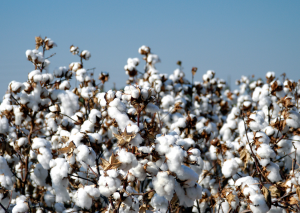
In a Scientific Opinion, the Scientific Panel on Genetically Modified Organisms of the European Food Safety Authority (GMO Panel) has released its assessment of genetically modified (GM) cotton GHB811 for food and feed uses, according to the scope of the application EFSA-GMO-ES-2018-154 under Regulation (EC) No 1829/2003. The scope of application EFSA-GMO-ES-2018-154 is for food and feed uses, import, and processing of the genetically modified (GM) herbicide tolerant cotton GHB811 in the European Union (EU)