


News & Events
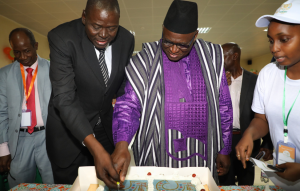
The International Crops Research Institute for the Semi-Arid Tropics (ICRISAT) is celebrating its golden jubilee, in Mali, marking 50 years of agricultural scientific innovation and impact since its establishment in 1972. The celebrations in Mali, home to the Institute’s regional offices in West and Central Africa, build upon earlier festivities launched by the Prime Minister of India, Shri Narendra Modi at ICRISAT’s global headquarters in Hyderabad, India in February. ICRISAT which won the Africa Food Prize in 2021, has an illustrious history of developing higher yielding and drought tolerant crop varieties, essential to the livelihoods of smallholder farmers in the semi-arid tropics.
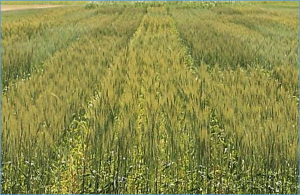
Sparse testing using genomic prediction enables expanded use of selection environments in early-stage yield testing without increasing phenotyping cost. We evaluated different sparse testing strategies in the yield testing stage of a CIMMYT spring wheat breeding pipeline characterized by multiple populations each with small family sizes of 1–9 individuals. Our results indicated that a substantial overlap between lines across environments should be used to achieve optimal prediction accuracy
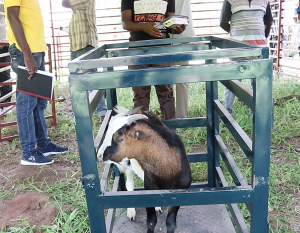
A pilot study led by ICRISAT proves that developing efficient goat value chains lead to better rewards for farmers by increasing their market knowledge and bargaining power. Amongst the many interventions, goat sale auctions fetched on average a 6% higher price than those sold through conventional market sales that often do not pay off the cost of feed. The study was for the CLIM2 project implemented in Southern Malawi, where half the country’s poor people live on farms less than one hectare.
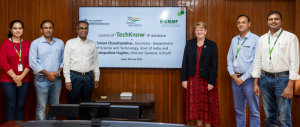
The database portal for Intellectual Property in the agriculture sector called ‘TechKnow’ was launched in the presence of Dr Srivari Chandrasekhar, Secretary, Department of Science and Technology (DST), Government of India, and Dr Jacqueline Hughes, Director General, International Crops Research Institute for Semi-Arid Tropics (ICRISAT) in Hyderabad. The newly launched platform provides details of IP-protected technologies from selected agricultural domains developed by various public and academic institutes across India.
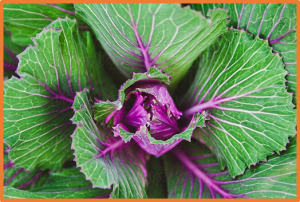
Anthocyanins are widely distributed in nature and give plants their brilliant colors. Leaf color is an important trait for ornamental kale. In this study, we measured anthocyanin contents and performed transcriptome deep sequencing (RNA-seq) of leaves from pink and green ornamental kale. We observed substantial differences in the expression levels of the two DIHYDROFLAVONOL 4-REDUCTASE-encoding genes BoDFR1 (Bo9g058630) and its ortholog BoDFR2 (Bo2g116380) between green-leaved and pink-leaved kale by RNA-seq and RT-qPCR
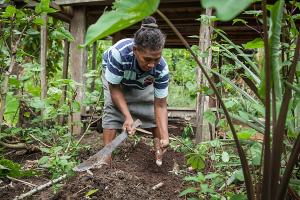
Livelihood diversification is often touted as an all-encompassing solution to sustainable development. However, despite large-scale promotion and investment in this strategy, evidence of impacts from diversification processes remains scarce. To better guide future policies and interventions, evidence must be gathered and assessed on current livelihood diversification projects and their realized impacts.
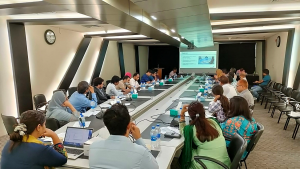
WorldFish in Bangladesh took the initiative to hold an interactive media session on aquatic food systems reporting on 19 June 2022 together with the Bangladesh Agricultural Journalists Forum (BAJF) to increase the media's sensitivity to aquatic food systems in Northwest Bangladesh as well as to share the underlying issues surrounding the aquatic foods sector.
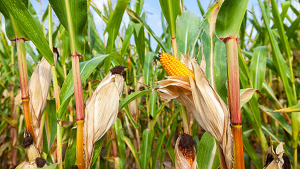
Tropical non-elite maize (Zea mays L.) germplasm, such as BS39, provides a unique opportunity for broadening the genetic base of U.S. Corn Belt germplasm. In vivo doubled haploid (DH) technology has been used to efficiently exploit non-elite germplasm. It can help to purge deleterious recessive alleles. The objectives of this study were to determine the usefulness of BS39-derived inbred lines using both SSD and DH methods,
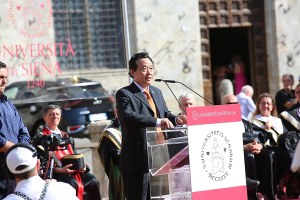
Siena, Italy - QU Dongyu, Director-General of the Food and Agriculture Organization of the United Nations (FAO) today underlined the importance of innovative partnerships, especially with academic institutions, in helping to promote global food security, as he addressed a Graduation Day ceremony at the University of Siena. “Fostering innovative partnerships for a food secure world is a top priority for the United Nations, as set out in the 2030 Agenda and its 17 Sustainable Development Goals (SDGs), Qu said
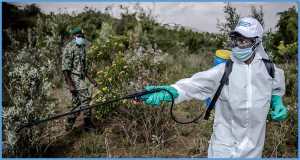
The locust situation is currently very quiet. We have declared the upsurge is over in the entire region for two main reasons: first, we had a massive and aggressive locust campaign in close cooperation with the governments. Second, the region is facing a severe drought situation, which means that conditions are no longer favourable for the Desert Locust to breed. It does not mean that there are no Desert Locusts in the region; FAO is still monitoring their presence
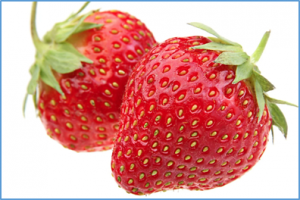
Fusarium wilt, a soilborne disease caused by Fusarium oxysporum f. sp. fragariae, poses a significant threat to strawberry (Fragaria ×× ananassa) production in many parts of the world. This pathogen causes wilting, collapse, and death in susceptible genotypes. We previously identified a dominant gene (FW1) on chromosome 2B that confers resistance to race 1 of the pathogen, and hypothesized that gene-for-gene resistance to Fusarium wilt was widespread in strawberry.

The European Sustainable Agriculture through Genome Editing network (EU-SAGE) has published an interactive database for genome-edited crops. The database shows that genome editing is used in a wide variety of crops to improve diverse characteristics, many of which can contribute to more sustainable agriculture. The EU-SAGE database represents state-of-the-art scientific evidence of worldwide genome editing applications in crops for agricultural production