


News & Events

The report, Genome-edited Crops and 21st Century Food System Challenges, explains the new breeding tools as well as the genetic modifications (mutations) that can be introduced by using these tools in comparison to conventional breeding and the spontaneous genetic alterations that occur in crops. It also includes the regulatory developments around the world with a growing number of countries exempting conventional-like plants resulting from those new breeding tools from restrictive biotech regulations.

Researchers from Yangzhou University in China improved the eating and cooking quality of rice using gene editing and targeting grain storage protein glutelin. Their findings are published in the Journal of Integrative Plant Biology. Rice eating and cooking quality is one of the priorities of breeders to sure competitiveness in the market globally.
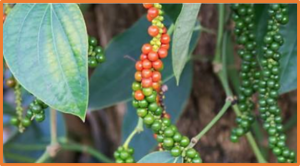
Black pepper (Piper nigrum), the "King of Spices," is an economically important spice in India and is known for its medicinal and cultural values. SSRs, the tandem repeats of small DNA sequences, are often polymorphic in nature with diverse applications. For population structure, QTL/gene discovery, MAS, and diversity analysis, it is imperative to have their location specificity. The existing PinigSSRdb catalogs ~70K putative SSR markers but these are anonymous (unknown chromosomal location), based on 916 scaffolds rather than 26 chromosomes.

Scientists at the International Maize and Wheat Improvement Center (CIMMYT) and the CGIAR have concluded that the scientific risks involved in genome editing are similar to those of traditional breeding, and that all new varieties, independent of their development, need to be tested. Genome editing has shown the potential to contribute to global food security, improved nutrition, and other added value for farmers and consumers
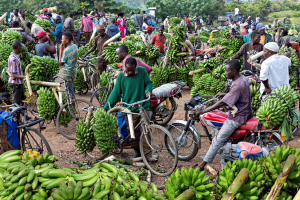
Director Leena Tripathi of the Eastern Africa Hub at the International Institute of Tropical Agriculture in Tanzania said that gene editing is a solution that is set to be a game changer in the agricultural sector, and that these will play a critical role in building sustainable agricultural systems that can contribute to food security.

Photoperiod sensitivity is important for sensing seasonal changes and local adaptation. However, day-length sensitivity limits crop geographical adaptation and it should be modified during domestication. Cucumber was domesticated in southern Asia and is currently cultivated worldwide across a wide range of latitudes, but its photoperiod sensitivity and its change during cucumber domestication are unknown.
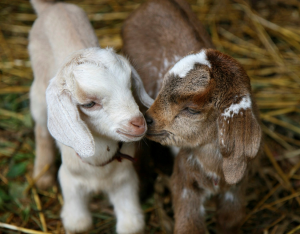
The efforts of the Rumigen Project, a collaboration among different European countries, were realized when three goat kids were born in excellent health earlier this year. The kids were the product of CRISPR-Cas9 technology and is part of a study aimed to determine if an allele identical found in the Norwegian goat breed can be reproduced using gene editing. Another objective of the study is to compare the efficiency of introducing a favorable characteristic from a Norwegian goat breed into the Alpine goat breed while preserving the formers' specific traits.
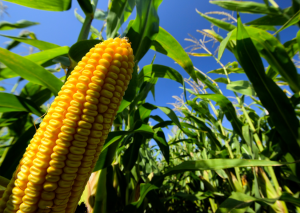
pb4Da2 is a new Bacillus thuringiensis insecticidal protein that confers in planta resistance against the western corn rootworm (WCR). After a thorough food and feed safety assessment, scientists concluded that the protein does not pose any greater safety risk to humans nor animals than non-genetically modified maize varieties. The protein was assessed following the guidance from FAO/WHO Codex Alimentarius commission in 2009
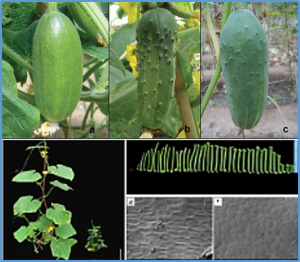
The compact architecture is a vital and valuable agronomic trait that helps to reduce the labor of plant management, and improve the fruit yield by increasing planting density in cucumbers. However, the molecular basis underlying the regulation of plant architecture in cucumber is complex and largely unknown. In this study, a novel recessive compact allele, designated as cpa-2 (compact plant architecture-2) was fine mapped in a 109 kb region on chromosome 7 by the strategy of bulked segregant analysis sequencing combined with map-based cloning
The war in Ukraine has disrupted the sufficient food supply for the global population. Researchers at the Technical University of Munich (TUM) are now searching for modern methods to help boost global harvests to ensure global food security. Wheat plays an important role in these studies. TUM, led by Professor Senthold Asseng, is working with international research teams to look at scenarios and models that could lead the way out of the global wheat crisis

Jaroslav Doležel, Czech plant geneticist and founder of an emerging branch of genomics known as chromosome genomics, stated that new breeding techniques, particularly genome editing tools that allow the precise change of the DNA structure, is key in ensuring that there is enough food for the growing global population. Doležel, the Scientific Director of the Center of the Region Haná for Biotechnological and Agricultural Research, gave his statement during the conference on the 200th anniversary of the birth of Gregor Mendel held in Mendel University in Brno
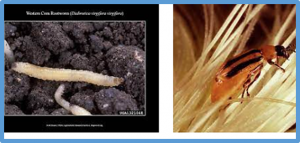
Western corn rootworm (WCR), Diabrotica virgifera virgifera, LeConte, is an insect pest that poses a significant threat to the productivity of modern agriculture, causing significant economic and crop losses. The development of genetically modified (GM) crops expressing one or more proteins that confer tolerance to specific insect pests, such as WCR, was a historic breakthrough in agricultural biotechnology and continues to serve as an invaluable tool in pest management. Despite this, evolving resistance to existing insect control proteins expressed in current generation GM crops requires continued identification of new proteins with distinct modes of action while retaining targeted insecticidal efficacy.