


News & Events
News & Events
Somalia’s humanitarian crisis worsening with 6.5 million people facing high levels of hunger, Federal Government and United Nations warn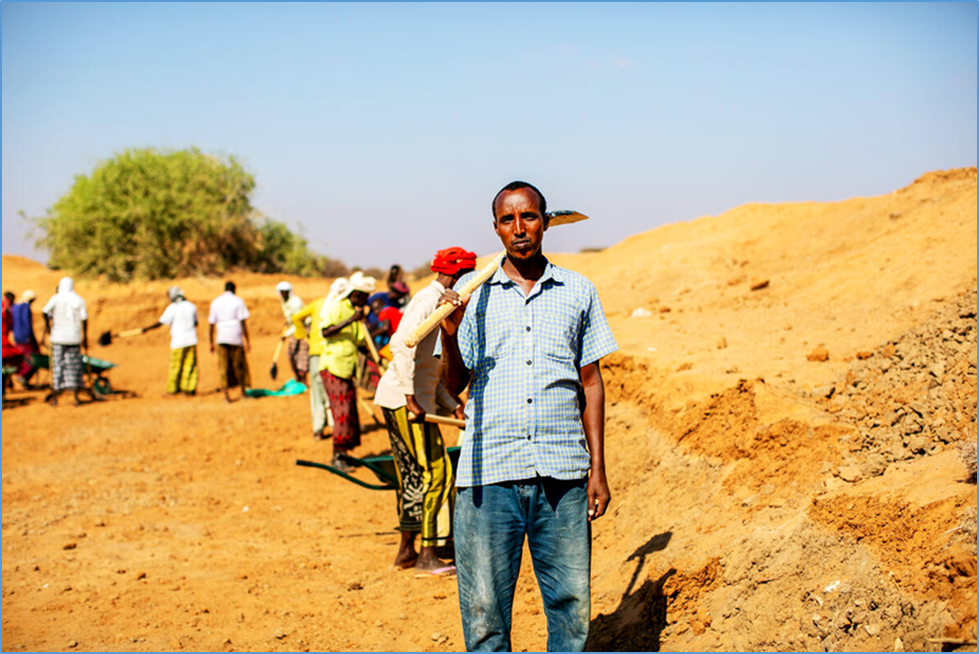
Friday, 27/02/2026 | 08:12:43
Nearly 6.5 million Somalis face high levels of hunger, and more than 1.8 million children face acute malnutrition due to worsening drought, the Somali government and UN agencies have warned in a new report. The Integrated Food Security Phase Classification (IPC) report indicates that a third of the population – 6.5 million people – are expected to face crisis levels of hunger or worse (IPC 3 and 4) by March, an increase of 1.7 million people since January.
Cultivar-specific metabolomic and morpho-physiological responses reveal distinct salt tolerance mechanisms in rice (Oryza sativa L.)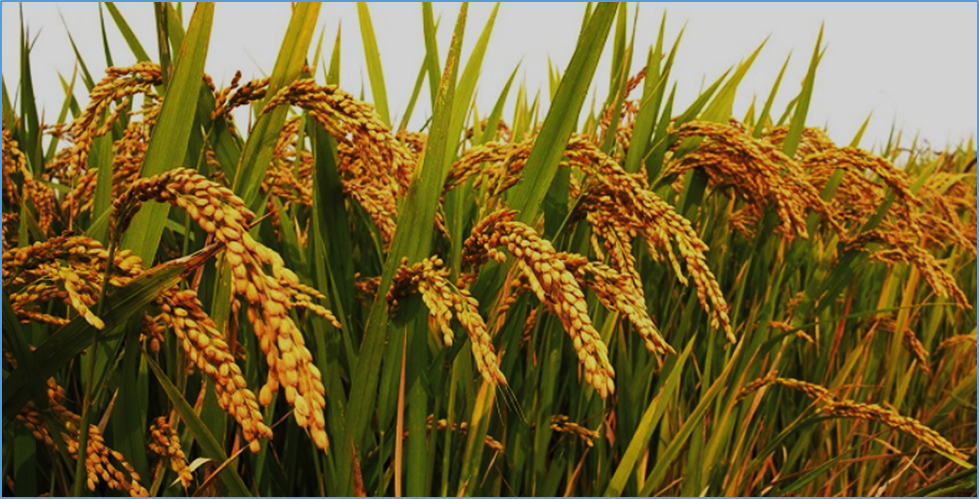
Thursday, 26/02/2026 | 08:26:02
Salt stress significantly limits rice productivity worldwide, highlighting the need for a thorough understanding of cultivar-specific tolerance mechanisms. This study explored the morpho-physiological and metabolomicresponses of four rice cultivars to salinity stress, aiming to identify potential adaptation strategies and candidate tolerance markers. The four rice cultivars (Giza 177, Giza 178, Sakha 104, and Sakha 108) were subjected to 200 mM NaCl treatment for 14 days under controlled conditions.
Emerging Biotechnological Solutions for Plastic Waste Management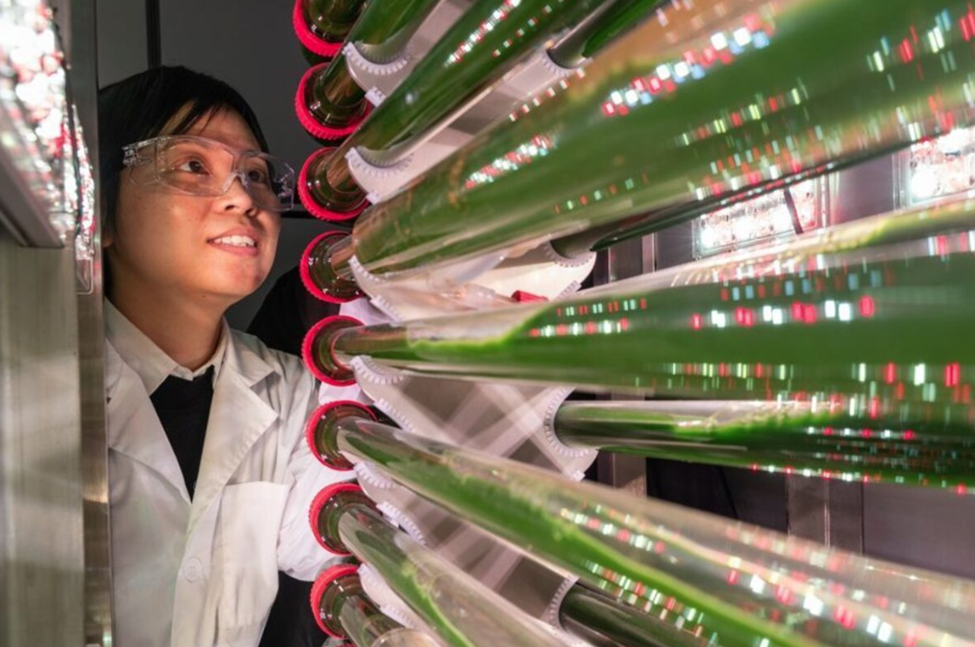
Thursday, 26/02/2026 | 08:24:40
Every year, 19-23 million tonnes of plastic waste leak into aquatic ecosystems, including lakes, rivers, and seas. According to the World Economic Forum, our oceans could weigh more from plastic than from fish by 2050 if the production of plastic remains uncontrolled. Plastic waste is a global problem. Traditional plastic waste management has been insufficient to tackle the scale of the crisis. With plastic pollution continuing to rise at an alarming rate, it’s clear that innovative solutions are urgently needed.
IUCN signs Memorandum of Understanding with CGIAR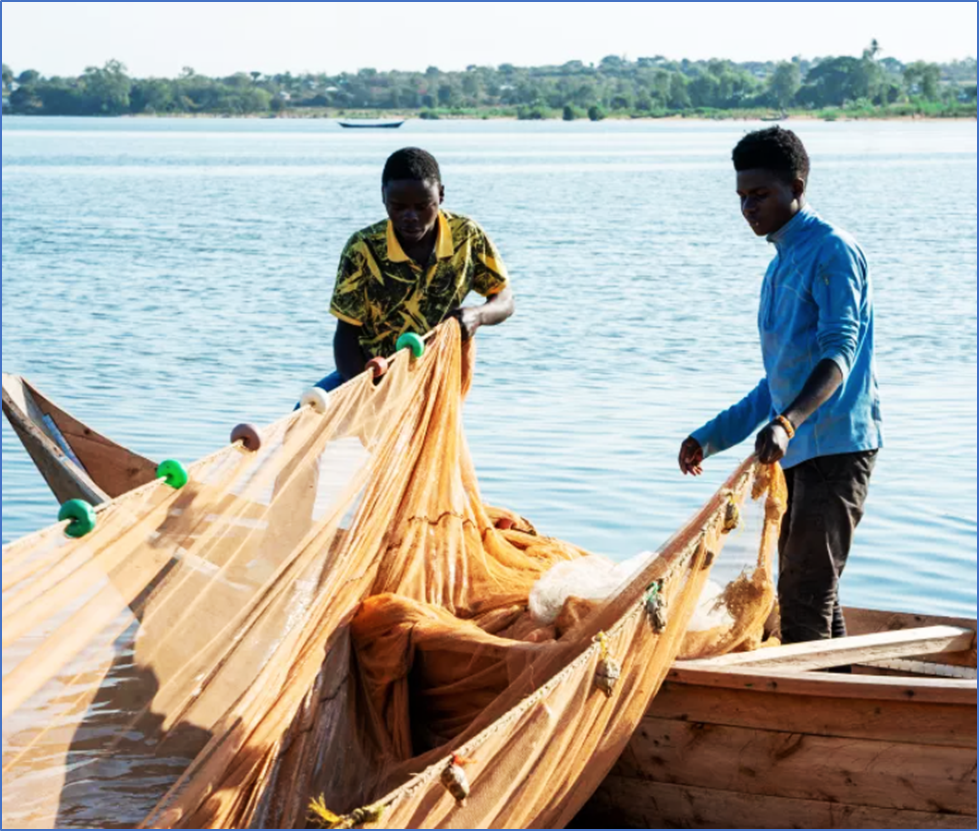
Thursday, 26/02/2026 | 08:23:27
This agreement will focus on strengthening collaboration on sustainable agriculture and biodiversity conservation that will shape resilient food systems.The strategic collaboration between the International Union for Conservation of Nature (IUCN) and CGIAR brings together complementary expertise. CGIAR advances science and innovation for transforming food, land, and water systems, while IUCN provides global overview and leadership on biodiversity and measures for conservation.
A proteomics-metabolomics approach and mineral content analysis reveal inherent differences in the quality of Bambara groundnuts from two geographic regions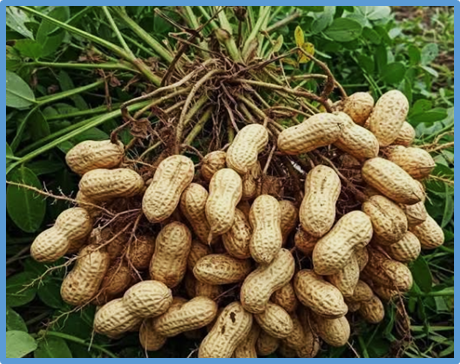
Wednesday, 25/02/2026 | 08:32:04
We found conspicuous differences in the global metabolomes and proteomes of the samples sourced from the two geographic regions. A total of 30 differential metabolites were identified in the metabolomics study, the composition of which was determined to be predominantly flavonoids and found in higher amounts in the samples from Mali. The proteomics study identified 39 differentially abundant proteins, which were found to be mainly involved in metabolic and cellular processes,
Shandong Agricultural University Researchers Redefine Green Revolution Genes for Modern Wheat
Wednesday, 25/02/2026 | 08:30:52
Researchers at Shandong Agricultural University have discovered that a key Green Revolution gene, Rht-D1b, does far more than just reduce plant height. The researchers, led by Dr. Han Zhang, redefined this gene as a central coordinator of wheat architecture and found that it also controls tiller angle and number, providing a new genetic blueprint to significantly boost global wheat yields and food security.
Lacteos del Hogar Dairy Suppliers Align with Zero-Deforestation Agreements
Wednesday, 25/02/2026 | 08:29:24
Last October, in the Caquetá foothills, more than a technical training session took place: it was a gathering to understand how to produce milk while caring for the forest and the future of Caquetá, Colombia. Nearly 60 suppliers from the company Lácteos del Hogar came together to learn and practice with a key tool—MyGeoFarm—and to understand, in a simple and participatory way, what the Zero-Deforestation Agreements (ZDAs) mean for the dairy sector and how to comply with them at the farm level.
Climate change drives a decline in global grazing systems
Tuesday, 24/02/2026 | 07:52:15
Grazing systems represent the most extensive production systems in the world and are highly sensitive to climate change. However, their global-scale sensitivity and vulnerability to climate impacts remain poorly understood. Here, we apply the safe climatic space framework to assess how changes in core climatic drivers of grazing suitability, including temperature, precipitation, humidity, and wind speed, will reshape global grassland-based grazing systems.
Pangenome Reveals Secrets to Breeding Better Cucumbers
Tuesday, 24/02/2026 | 07:50:47
Scientists at the Boyce Thompson Institute (BTI) have developed the most comprehensive genetic map of the cucumber to date, identifying 171,892 structural variants that could revolutionize crop breeding. By creating a graph-based pangenome from 39 cucumber varieties, researchers can now pinpoint large-scale DNA rearrangements that influence critical traits such as fruit shape, resilience, and the prevention of internal hollowness.
Why Grain Quality Matters in Modern Rice Breeding
Tuesday, 24/02/2026 | 07:50:08
For decades, rice breeding focused on yield and stress tolerance, often overlooking a crucial factor: grain quality. As markets evolve and consumer preferences grow more diverse, traits such as texture, aroma, and nutrition are becoming the main criteria for consumer acceptance. To help address this, IRRI recently conducted a training titled “Training on Grain Quality Modeling Techniques to Screen High-Value Germplasm.” The program introduced advanced tools for screening rice based on grain quality traits, helping breeders select varieties that better align with consumer expectations.
SlNAC63-SlbHLH71 module enhances tomato saline-alkali tolerance via regulating JA biosynthesis and ROS scavenging
Monday, 23/02/2026 | 07:41:18
Soil salinization severely limits plant growth and development, posing a significant threat to agriculture. NAC transcription factors are widely involved in the regulation of various abiotic stresses. In this study, we discovered that SlNAC63 responds to both saline-alkali and jasmonic acid (JA) signaling and enhances saline-alkali tolerance in tomato (Solanum lycopersicum L.) by improving the reactive oxygen species (ROS) scavenging capacity. The experiments of Y1H, EMSA, and ChIP-qPCR confirmed that SlNAC63 directly targets and regulates the expression of tomato SlAOS1 and superoxide dismutase SlSOD4.
Negative GMO Perceptions Could Influence Gene-Edited Crop Acceptance
Monday, 23/02/2026 | 07:39:30
A study in Southern Ontario, Canada, finds that public perceptions of gene-edited crops may be strongly influenced by the negative frames that have shaped perceptions of genetically modified organisms (GMOs). Researchers from the University of Toronto and McMaster University examined public understanding of GMOs and CRISPR crops in the Greater Toronto-Hamilton area, and how past GMO debates shape attitudes toward gene editing.