


News & Events
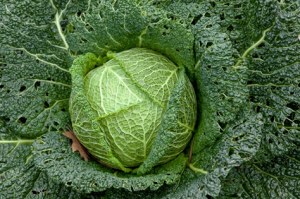
The application of a male-sterile line is an ideal approach of hybrid seed production in Chinese cabbage. In this study, we obtained a male-sterile mutant (ftms1) from the double haploid line ‘FT’ using ethyl methane sulfonate (EMS) mutagenesis. The mutant was completely sterile due to abnormal enlargement and vacuolization of the tapetum cells. A single recessive nuclear gene was found to control male sterility in the mutant, while MutMap and KASP analyses identified BraA05g022470.3C (BrGGL7),
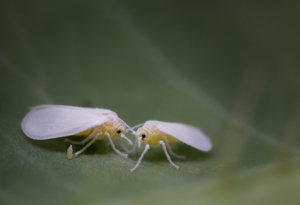
Researchers from the National Research Institute for Agriculture, Food and the Environment (INRAE) in France reported 49 plant genes transferred to the genome of the silver whitefly, a major crop pest in the tropics and subtropics. This is the first report of such an amount of gene transfers from plants to insects. The researchers used bioinformatics analysis to pinpoint the genes in the whitefly genome derived from 24 independent horizontal gene transfer events.

The virtual workshop titled CBD/CPB Recap and COPMOP Debrief was held from October 5 to 6, 2022 via Zoom and was hosted by ISAAA Inc. based in the Philippines. More than 50 participants from around 20 Asian countries were in attendance to be versed with the latest updates about the discussions in the Convention on Biological Diversity (CBD) and the Cartagena Protocol on Biosafety (CPB).
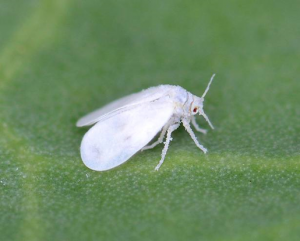
The extent to which horizontal gene transfer (HGT) has shaped eukaryote evolution remains an open question. Two recent studies reported four plant-like genes acquired through two HGT events by the whitefly Bemisia tabaci, a major agricultural pest (Lapadula et al. 2020; Xia et al. 2021). Here, we uncovered a total of 49 plant-like genes deriving from at least 24 independent HGT events in the genome of the MEAM1 whitefly. Orthologs of these genes are present in three cryptic B. tabaci species, they are phylogenetically nested within plant sequences, and expressed and under purifying selection
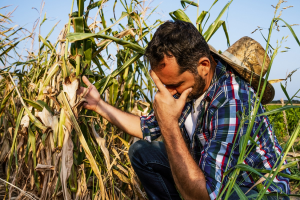
The results of banning the import of genetically modified (GM) maize in Mexico will not only result in economic losses amounting to billion of U.S. dollars in the country and North America, but will also affect the livestock sector, human health, food security and the environment, a recent report prepared by World Perspectives Inc. states.
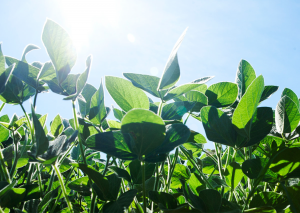
Drought and powerful storms have affected plant communities. Now, scientists at the National University of Singapore (NUS) have discovered how plants control the development of stomata to reduce water loss under dry conditions. During water shortage, plants have two stomatal reactions. They restrict the growth of new stomata and seal the pores of existing ones.
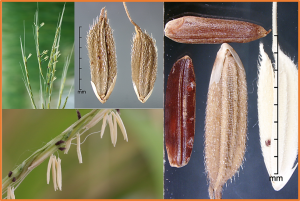
Salt stress is one of the most severe adverse environments in rice production; increasing salinization is seriously endangering rice production around the world. In this study, a rice backcross inbred line (BIL) population derived from the cross of 9311 and wild rice Oryza longistaminata was employed to identify the favorable genetic loci of O. longistaminata for salt tolerance. A total of 27 quantitative trait loci (QTLs) related to salt tolerance were identified in 140 rice BILs
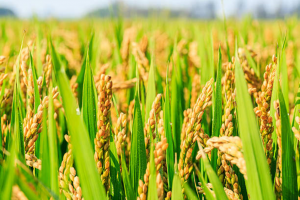
Nanjing Agricultural University researchers used CRISPR-Cas9 gene editing technology and characterized functional brassinosteroid biosynthesis genes in rice. The findings of their study are published in Plant Science. CONSTITUTIVE PHOTOMORPHOGENIC DWARF (CPD) is a vital component in the brassinosteroids (BRs) biosynthesis pathway.

The European Commission has published the results of a public consultation on "Legislation for plants produced by certain new genomic techniques (NGTs)." The public consultation conducted from April to July 2022 is an important source of information as it sought citizens' and stakeholders' views on the functioning of the current legislation for plants obtained by targeted mutagenesis and cisgenesis and their food and feed products.
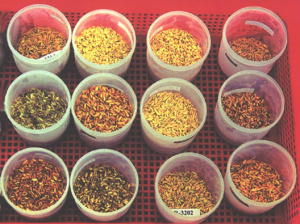
Salt stress is a major constraint on plant growth and yield. Nitrogen (N) fertilizers are known to alleviate salt stress. However, the underlying molecular mechanisms remain unclear. Here, we show that nitrate-dependent salt tolerance is mediated by OsMADS27 in rice. The expression of OsMADS27 is specifically induced by nitrate. The salt-inducible expression of OsMADS27 is also nitrate-dependent.
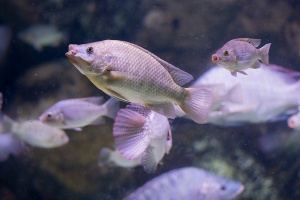
Using genome editing for fish, researchers at the Center for Aquaculture Technologies were able to find a way to keep farmed fish from using excessive energy for reproduction while still producing offspring. This method is quicker, considerate of the fish's welfare, and more efficient than alternatives such as physical shock and application of chemicals and hormones to achieve the same results. The researchers developed a two-track process to overcome the sterility paradox in fish

A research group at the Philipps University of Marburg in Germany reports that the soil bacterium Pseudomonas oleovorans uses a natural CRISPR-Cas system that is suitable for controlling gene activity. The researchers characterized the last type of bacterial CRISPR-Cas system that has not been described. Marburg geneticist Professor Dr. Lennart Randau, who led the research work said that so far, six types of CRISPR-Cas systems have been distinguished by scientists.