


News & Events
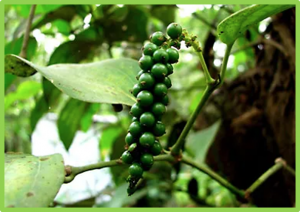
Given the increasing consumer demand for raw, nonprocessed, safe, and long shelf-life fish and seafood products, research concerning the application of natural antimicrobials as alternatives to preservatives is of great interest. The aim of the following paper was to evaluate the effect of essential oils (EOs) from black pepper (BPEO) and tarragon (TEO), and their bioactive compounds: limonene (LIM), β-caryophyllene (CAR), methyl eugenol (ME),
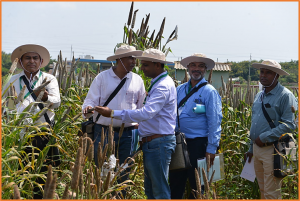
A total of 81 scientists and breeders (30 from 21 public organizations and 51 from 26 private organizations) visited ICRISAT’s fields – rich in crop diversity - to select material for hybrid pearl millet development. Pearl millet traits being increasingly sought include improved taste, longer flour shelf life, greater drought, and disease tolerance and forage varieties with higher protein and digestibility qualities.
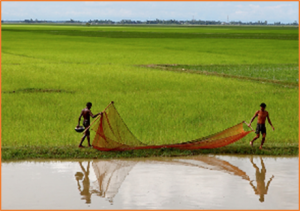
The very first Sustainable Development Goal is to end poverty by 2030. Today, seven years after the goals were agreed and on the heels of a global pandemic, conflict and economic crises, a world without poverty seems out of reach. The World Bank estimates that, by the end of 2022, 685 million people could still be living in extreme poverty.
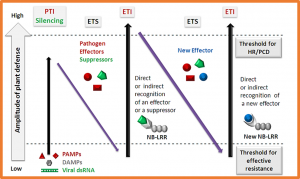
Understanding the plant immune system is crucial for using genetics to protect crops from diseases. Plants resist pathogens via a two-tiered innate immune detection-and-response system. The first plant Resistance (R) gene was cloned in 1992 . Since then, many cell-surface pattern recognition receptors (PRRs) have been identified, and R genes that encode intracellular nucleotide-binding leucine-rich repeat receptors (NLRs) have been cloned.

From brainstorming solutions for food security and mitigating climate change based on science and innovation to highlighting the links between healthy eating and a healthy planet - a youth-driven World Food Forum today wrapped up five days of intensive dialogue, networking and investment pitching aimed at addressing the world’s growing food crisis. Energizing the gathering has been the urgency of bringing diverse perspectives to bear towards its goals of finding solutions for food security and improving agrifood resilience;

Aarhus University's research team in Denmark used CRISPR-Cas9 to develop Gottingen minipigs with a mutation in the gene known to cause Alzheimer's Disease (AD) in humans. By following the gene-edited pigs as they go through stages of the AD, the researchers can investigate the progress of the symptoms and potentially unlock possible strategies to combat them. The sortilin-related receptor 1 (SORL1) gene is associated with AD. It functions as a causal gene. If found to be defective, a person carrying it will develop AD.
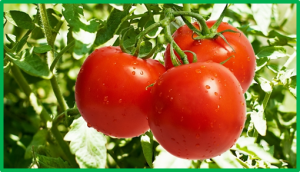
Flowering is a critical agricultural trait that substantially affects tomato fruit yield. Although drought stress influences flowering time, the molecular mechanism underlying drought-regulated flowering in tomato remains elusive. In this study, we demonstrated that loss of function of tomato OPEN STOMATA 1 (SlOST1), a protein kinase essential for abscisic acid (ABA) signaling and abiotic stress responses, lowers the tolerance of tomato plants to drought stress. slost1 mutants also exhibited a late flowering phenotype under both normal and drought stress conditions.
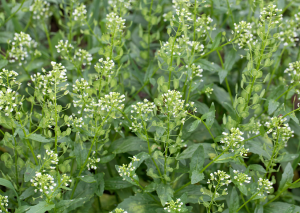
Scientists at Illinois State University are working to turn the weed pennycress into a cold-tolerant, short-season oilseed similar to Camelina. In some ways, the process echoes the development of its plant relative, canola. John Sedbrook, a professor of genetics at Illinois State University, and his colleagues are using CRISPR gene editing technology to modify pennycress. Like canola's rapeseed ancestors, pennycress suffers from high levels of antinutritional erucic acid in the oil and high levels of glucosinalates, particularly one called sinigrin, in the meal.
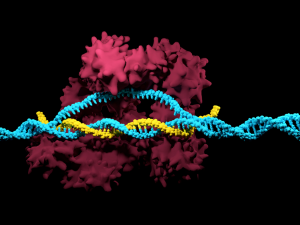
A group of scientists at Nothwestern University developed a way to transform the Cas9 protein into a spherical nucleic acid (SNA) and load it with vital components for accessing an extensive range of tissue and cell types, as well as the intracellular compartments essential for gene editing. The research paper is published in the Journal of the American Chemical Society. The team was led by nanotechnology pioneer Chad Mirkin.
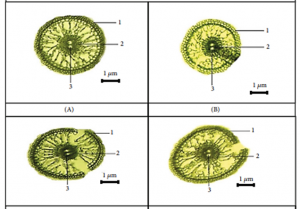
Due to the environment pollution by cadmium (Cd) near industrial metallurgic factories and the widespread use of phosphorus fertilizers, the problem of toxic Cd effect on plants is well discussed by many authors, but the phytotoxicity of Cd under iron (Fe) deficiency stress has not been sufficiently studied. The aim of the work was to study comprehensively the effect of Cd under Fe deficiency conditions on physiological, biochemical, and anatomical parameters of rice varieties
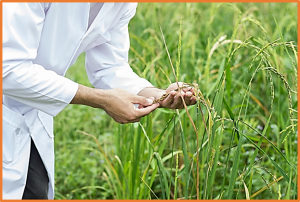
Bacterial leaf blight (BLB) of rice is considered to be a disease of economic importance as the disease causes severe yield losses in all rice growing regions. Transcription activator like effector (TALE) molecules are produced by the pathogen, Xanthomonas oryzae pv. oryzae (Xoo) bind to the effector binding element (EBE) of the promoter of SWEET gene and activates transcription of SWEET genes, making the plant susceptible to the disease.

After conducting interviews and surveys from participants in different regions across the globe, biotech experts from the University of Edinburgh and the International Livestock Research Institute were able to determine that a global consensus and harmonization of regulatory frameworks by different countries are important to avoid regulatory bottlenecks and disruptions in global trade of genome-edited products.