


News & Events
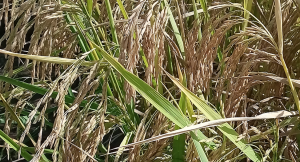
Millions of hectares of land suited to rice production in Asia and Africa are not currently used because of their high salt content. Extremely high salt stress circumstances cause the plant to die, while moderate to low salt stress conditions impact the plant growth rate. This presents a challenge to ensuring food sustainability while facing the impact of climate change, such as in the case of coastal and northeastern regions in Kenya where sodic soil with high levels of sodium is widely distributed.
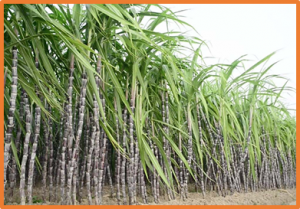
The processes of sugarcane tillering and ratooning, which directly affect the yield of plant cane and ratoon, are of vital importance to the population establishment and the effective stalk number per unit area. In the present study, the phenotypic data of 285 F1 progenies from a cross of sugarcane varieties YT93-159 × ROC22 were collected in eight environments, which consisted of plant cane and ratoon cultivated in three different ecological sites.

The World Health Organization (WHO) today announced the recommendations for the viral composition of influenza vaccines for the 2023-2024 influenza season in the northern hemisphere. The announcement was made at an information session at the end of a 4-day meeting on the Composition of Influenza Virus Vaccines, a meeting that is held twice annually.
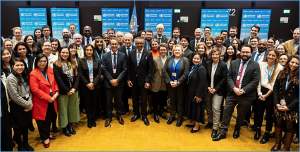
Governments agreed on a way forward for updating the WHO International Health Regulations 2005 (IHR), holding the first round of intensive discussions on more than 300 amendments proposed by countries to this globally agreed instrument. The IHR set out agreed approaches and obligations for countries to prepare for, and respond to, disease outbreaks and other acute public health risks. The proposed amendments come in response to the challenges posed by the COVID-19 pandemic.
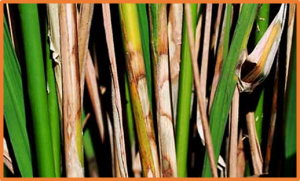
MicroRNAs (miRNAs) are a class of conserved small RNA with a length of 21-24 nucleotides in eukaryotes, which are involved in development and defense responses against biotic and abiotic stresses. By RNA-seq, Osa-miR444b.2 was identified to be induced after Rhizoctonia solani (R. solani) infection. In order to clarify the function of Osa-miR444b.2 responding to R. solani infection in rice, transgenic lines over-expressing and knocking out Osa-miR444b.2 were generated in the background of susceptible cultivar Xu3 and resistant cultivar YSBR1, respectively.
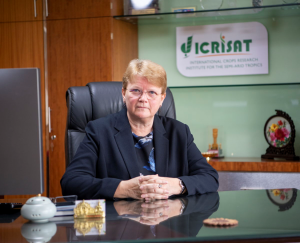
ICRISAT in collaboration with Nigeria's National Agricultural Research System - Lake Chad Research Institute (for pearl millet) and the Institute for Agricultural Research, Ahmadu Bello University (for sorghum) - has developed three sorghum and three pearl millet varieties, which have now been released promising better nutrition and higher yields for farmers.
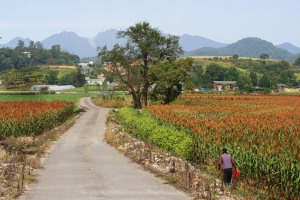
Zimbabwean farmers are poised for greater yield and income gains as a result of a recent agricultural innovation breakthrough - the release of a new hybrid of white sorghum (great millet) that also promises greater resilience to erratic rainfall. Collaboration between ICRISAT and the Pan African Seed Company, the Seed Co Group, resulted in the development of the new variety that has a yield potential of up to 8 tonnes per hectare, offering farmers a 25% yield increase over existing varieties.
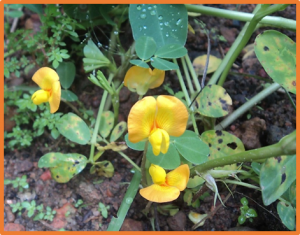
Plant protein phosphatase 2C (PP2C) play important roles in response to salt stress by influencing metabolic processes, hormone levels, growth factors, etc. Members of the PP2C family have been identified in many plant species. However, they are rarely reported in peanut. In this study, 178 PP2C genes were identified in peanut, which were unevenly distributed across the 20 chromosomes, with segmental duplication in 78 gene pairs.
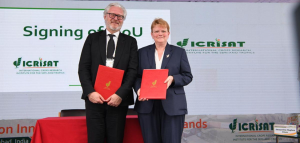
A new cooperation framework was signed today between the International Crops Research Institute for the Semi-Arid Tropics (ICRISAT) and Eagle Genomics at the International Conference on Innovations to Transform Drylands. Director General, ICRISAT, Dr Jacqueline Hughes and Eagle Genomics CEO, Anthony Finbow signed the agreement overseen by an international gathering of some of the world’s foremost dryland agrifood system experts.
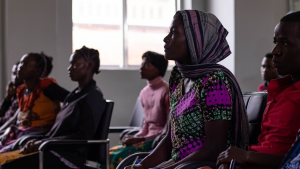
Target malaria, a not-for-profit research consortium, aims to develop and share cost-effective and sustainable genetic technologies to modify mosquitoes and reduce malaria transmission. In a recent video, the organization highlights the vital role of stakeholder engagement in its activities, explaining how the communities they work with participate in the decision-making process.
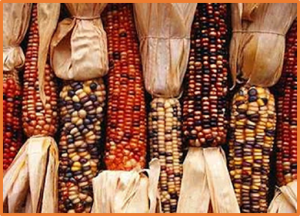
Eukaryotic genomes are large and complex, and gene expression can be affected by multiple regulatory elements and their positions within the dynamic chromatin architecture. Transposable elements are known to play important roles in genome evolution, yet questions remain as to how transposable elements alter genome structure and affect gene expression. Previous studies have shown that genome rearrangements can be induced by Reversed Ends Transposition involving termini of Activator and related transposable elements in maize and other plants.

The International Livestock Research Institute (ILRI) Board of Trustees and CGIAR have appointed Professor Appolinaire Djikeng as Director General of ILRI and CGIAR Senior Director of Livestock-Based Systems. Prof. Djikeng is a globally-recognized expert in developing multi-disciplinary, multi-institutional, and global research and development programs focused on agricultural development, livestock development, and human health. Read the announcement here.