


News & Events
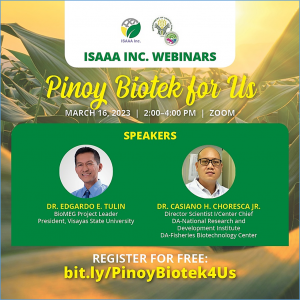
The online event aims to increase understanding and appreciation of Filipino biotechnologies and products by the general public, especially in the Philippines. It will also provide science-based information to target stakeholders for acceptance and adoption of Filipino-developed biotechnologies. Using these biotechnology tools and products can contribute to improving the state of Philippine agriculture. ISAAA Inc. Executive Director Dr. Rhodora Romero-Aldemita will moderate the discussions.
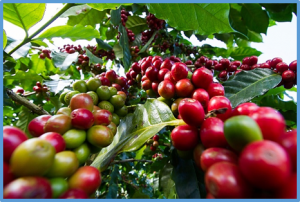
Caffeine and trigonelline are the major bioactive compounds in coffee. Caffeine alone or combined with other coffee compounds shows hepatoprotective effects. However, molecular mechanisms underlying such hepatoprotective effects remain unclear. We therefore addressed molecular effects of caffeine and trigonelline on human hepatocytes using quantitative proteomics followed by bioinformatic analyses to obtain topological and functional significance. HepG2 cells were treated with 100 μM caffeine or trigonelline for 24-h and evaluated by quantitative proteomics using nanoLC-ESI-LTQ-Orbitrap MS/MS.
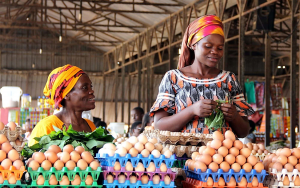
The growth of digital technology and digital tools in agriculture in the past decade has been phenomenal. This technology growth is playing an increasingly important role in agricultural research for development. However, such technologies and tools often classify small farm holders as similar entities. In addition, in low- and middle-income countries, core agriculture actors, such as women and minority communities are often excluded from digital agricultural solutions.
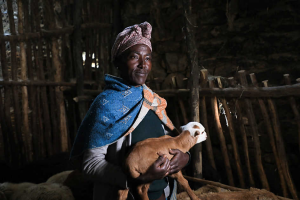
Julie Ojango, senior scientist in the Livestock Genetics program at the International Livestock Research Institute, specifically addressing sustainable utilization and management of animal genetic resources, leads projects in small ruminant and cattle breeding that use digital tools that enable better integration of gender into genetics research in the global south. She believes that livestock improvement programs must improve the livelihoods of smallholder farmers.
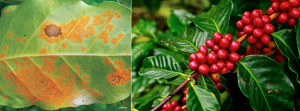
In this study, marker-assisted recurrent selection was evaluated for pyramiding resistance gene alleles against coffee leaf rust (CLR) and coffee berry diseases (CBD) in Coffea arabica. A total of 144 genotypes corresponding to 12 hybrid populations from crosses between eight parent plants with desired morphological and agronomic traits were evaluated. Molecular data were used for cross-certification, diversity study and resistance allele marker-assisted selection (MAS) against the causal agent of coffee leaf rust (Hemileia vastatrix) and coffee berry disease (Colletotrichum kahawae).
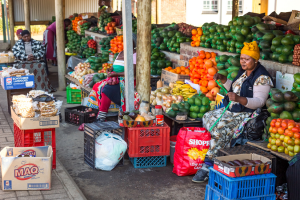
A collective sustained effort, political will, and renewed commitment across Africa and globally are necessary to transform agri-food systems and deliver better nutrition. This call was given by Qu Dongyu, Director-General of the Food and Agriculture Organization of the United Nations (FAO) during the assembly of the African Union held in Addis Ababa, Ethiopia.
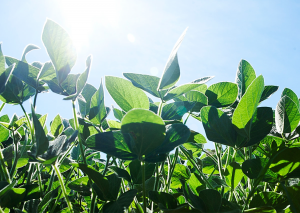
Argentina-based plant genetics company GDM has applied for registration in South Africa of 13 soybean varieties after the country approved the use of a new GMO seed technology, according to company executives. It is expected that three of the 13 soybean varieties will be pre-launched this year, as the firm hopes to bolster its South African business and prepare incursions throughout the region.
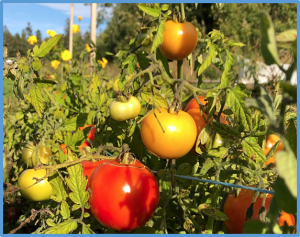
Auxins regulate several characteristics of plant development and growth. Here, we characterized a new transcriptional activator SIARRI which binds specific DNA sequences and was revealed in Arabidopsis (ARR1). SIARRI acts as a two-component response regulator and its Arabidopsis homologous gene is AT3G16857. It belongs to the subfamily of type-B response regulators in the cytokinin signaling pathway.

A team of researchers from Ain Shams University and other institutions conducted a study to characterize the transgenic Micro-Tom plants and revealed new insights into tomato fruit ripening. Their findings are published in Transgenic Research. Auxin is a plant hormone that controls several growth and development traits. The researchers described the characteristics of a new transcriptional activator SIARRI which binds specific DNA sequences in Arabidopsis plants
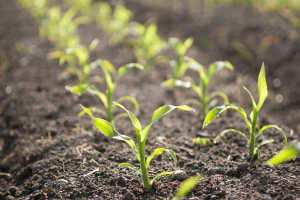
hina is set to grow genetically modified (GM) corn varieties on small areas this year, serving as trial sites for a possible full market launch of the technology in the country. According to seed industry representatives, the agriculture ministry plans to plant GM corn on 267,000 hectares in Inner Mongolia, Jilin, Hebei, and Yunnan provinces. In 2022, a total of 43 million hectares of corn were planted in China, which led to 277 million tonnes of corn produce.
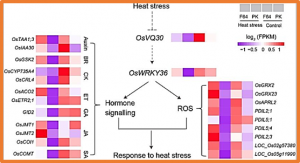
Among the six detected loci, qHT7 harbored the strongest association signal and the most associated SNPs. By comparing the transcriptomes of two representative accessions with contrasting heat tolerance, LOC_Os07g48710 (OsVQ30) was selected as a promising candidate gene in qHT7 due to the significant difference in its expression level between the two accessions.
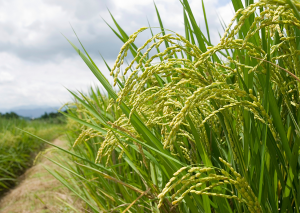
Researchers from the Centre for Research in Agricultural Genomics (CRAG) have successfully shown that iron treatment helps increase the resistance against rice blast fungus and activate the plant's immune response against the pathogen. A study published in the Rice journal led by Blanca San Segundo, a researcher at CRAG, reveals that exposing rice plants to moderately high levels of iron increases resistance to infection by the pathogenic fungus Magnaporthe oryzae, the agent causing rice blast, the most common disease in rice responsible for large production losses worldwide.