


News & Events

Scientists from China developed a virus-mediated protein overexpression (VOX) virus for cassava. This is the first one reported available for cassava since the previous vector was developed through virus-induced gene silencing (VIGS). The VOX vector was the product of the modification of the cassava common mosaic virus (CsCMV)-based VIGS vector. The scientists duplicated the length of the putative subgenomic promoter of the CsCMV gene which resulted to an improved heterologous protein expression in cassava plants.
Long non-coding RNAs (lncRNAs) and circular RNAs (circRNAs) are the two classes of non-coding RNAs (ncRNAs) present predominantly in plant cells and have various gene regulatory functions at pre- and post-transcriptional levels. Previously deemed as "junk", these ncRNAs have now been reported to be an important player in gene expression regulation, especially in stress conditions in many plant species

A study published in Transgenic Research reports a new method of devoping channel catfish with higher levels of omega-3 fatty acid and enhanced growth. Channel catfish are a popular fish in aquaculture, but they have limited ability to synthesize omega-3 fatty acids. This is a problem because omega-3 fatty acids are important for human health.

Researchers from Shanxi University and the Research Institute of Big Data Science and Industry in China were successful in editing target genes using both natural and synthetic heat-inducible promoters via CRISPR-Cas9. Further investigation concluded that the natural heat-inducible genome editing system was more successful at inactivating genes at any developmental stage of a plant.
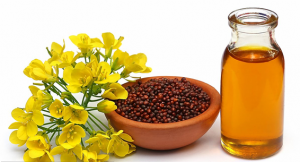
Glucosinolate content in the two major oilseed Brassica crops—rapeseed and mustard has been reduced to the globally accepted Canola quality level (<30 μmoles/g of seed dry weight, DW), making the protein-rich seed meal useful as animal feed. However, the overall lower glucosinolate content in seeds as well as in the other parts of such plants renders them vulnerable to biotic challenges.
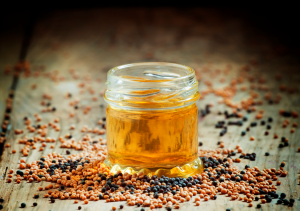
Researchers from the National Institute of Plant Genome Research in New Delhi, India, used the gene editing tool CRISPR to come up with mustard plants with low levels of glucosinolate in seeds, but high amounts in leaves. This breakthrough paves the way for production of palatable mustard oil. Glucosinolates are natural chemicals produced by plants as protection from pests and diseases. However, these chemicals are bitter-tasting, thus, making the mustard seeds unpalatable to animals. This characteristic has limited the use of mustard seeds for food and feed.
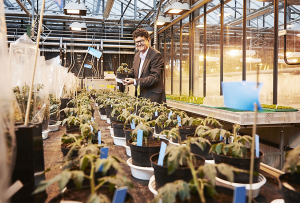
Molecular biologist Professor Holger Puchta from Karlsruhe Institute of Technology (KIT) is using CRISPR-Cas gene editing method to freely combine genes in crops, a dream come true for the founder of genetics, Gregor Mendel. Professor Puchta's work will also help agricultural crops to better adapt to global warming. Professor Puchta and his team at KIT's Joseph Gottlieb Kölreuter Institut of Plant Sciences (JKIP), were the first to demonstrate that not only single genes but entire chromosomes can be modified this way using molecular scissors.

Cashew nut is a popular food around the world. The high-resolution profiles and dynamics of metabolomes in cashew fruits are poorly understood till now. In this study, we analyzed the temporal metabolome of cashew nut via a non-targeted method based on UHPLC-Q-Exactive-MS, and analyzed that of cashew apple via a widely targeted method based on UHPLC-QTRAP-MS/MS (MRM).
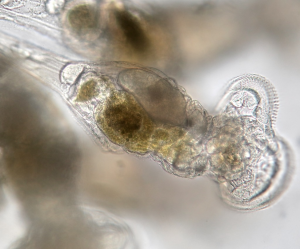
Researchers have developed a protocol for quick and efficient CRISPR-Cas9 gene editing of the rotifer Brachionus manjavacas. The results of the study will open new possibilities for rotifer research and biological discoveries. Rotifers have been used as a model system to study genome evolution, DNA repair, aging, and other aspects of biology. However, scientists have not been able to manipulate the genetics of rotifers for further studies.
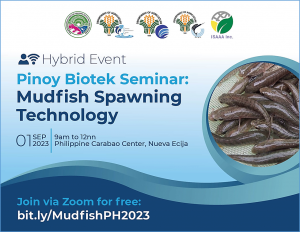
The event is part of a series of seminars that aims to increase awareness and appreciation of Pinoy biotechnologies and products by the general public, especially in the Philippines. It will also provide science-based information to target stakeholders for acceptance and adoption of the Pinoy-developed biotechnologies that can contribute to the improvement of the country's agriculture sector.
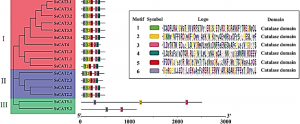
In plants, catalase (CAT) mainly scavenges H2O2 from reactive oxygen species (ROS) and regulates the growth and development. So far, genome-wide identification of CAT gene family in Saccharum has not yet been reported. Here, 16 SsCAT genes were identified based on a Saccharum spontaneum genome. They were clustered into three subfamilies, with closer genes sharing similar structures. Most SsCAT proteins contained three conserved amino acids, one active catalytic site, one heme-ligand signature, and three peroxisomal targeting signal 1 (PTS1) sequences. The cis-regulatory element prediction revealed that SsCAT genes were involved in growth and development, and in response to various hormones and stresses.
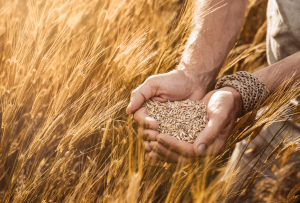
An international research team led by the University of Maryland (UMD) scientists has sequenced the complete genome for einkorn wheat, the world's first domesticated crop. The team traced einkorn wheat's evolutionary history, a breakthrough that will help identify important genetic traits such as tolerance to diseases, drought, and heat, and reintroduce them to modern bread wheat. Einkorn has been planted as early as 12,000 years ago, but as agriculture spread around the world, people replaced it with bread wheat.